How will F1 qualifying work in 2026?
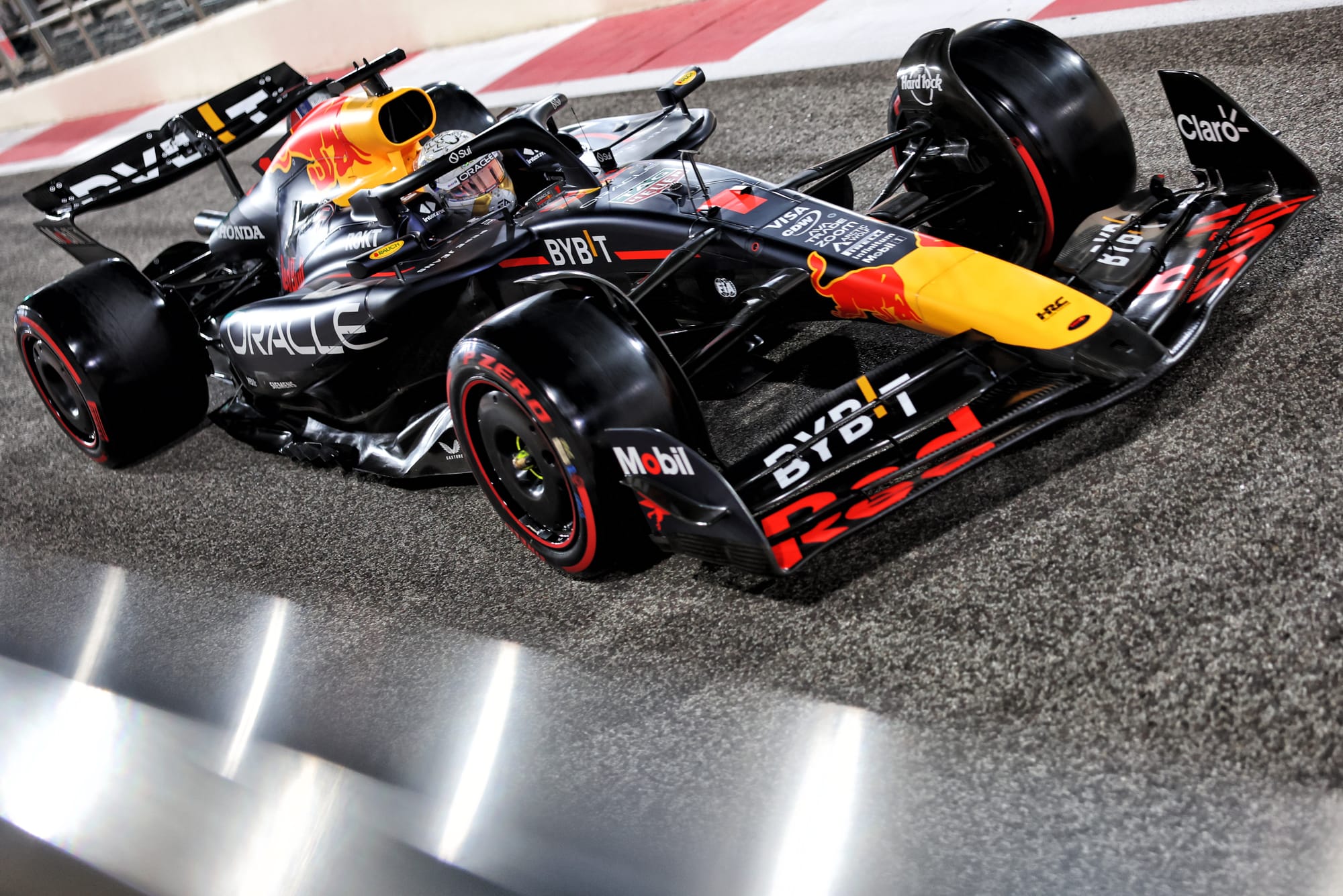
Formula 1 qualifying remains the best chance to see the F1 drivers and cars at their very limit, but how does it work? Especially in 2026 where there will now be 11 teams on the grid.
The three-part qualifying hour can be confusing to newcomers to the championship, so here's a quick explanation of how F1 qualifying works + how it's changed for newcomer Cadillac.
F1 qualifying format
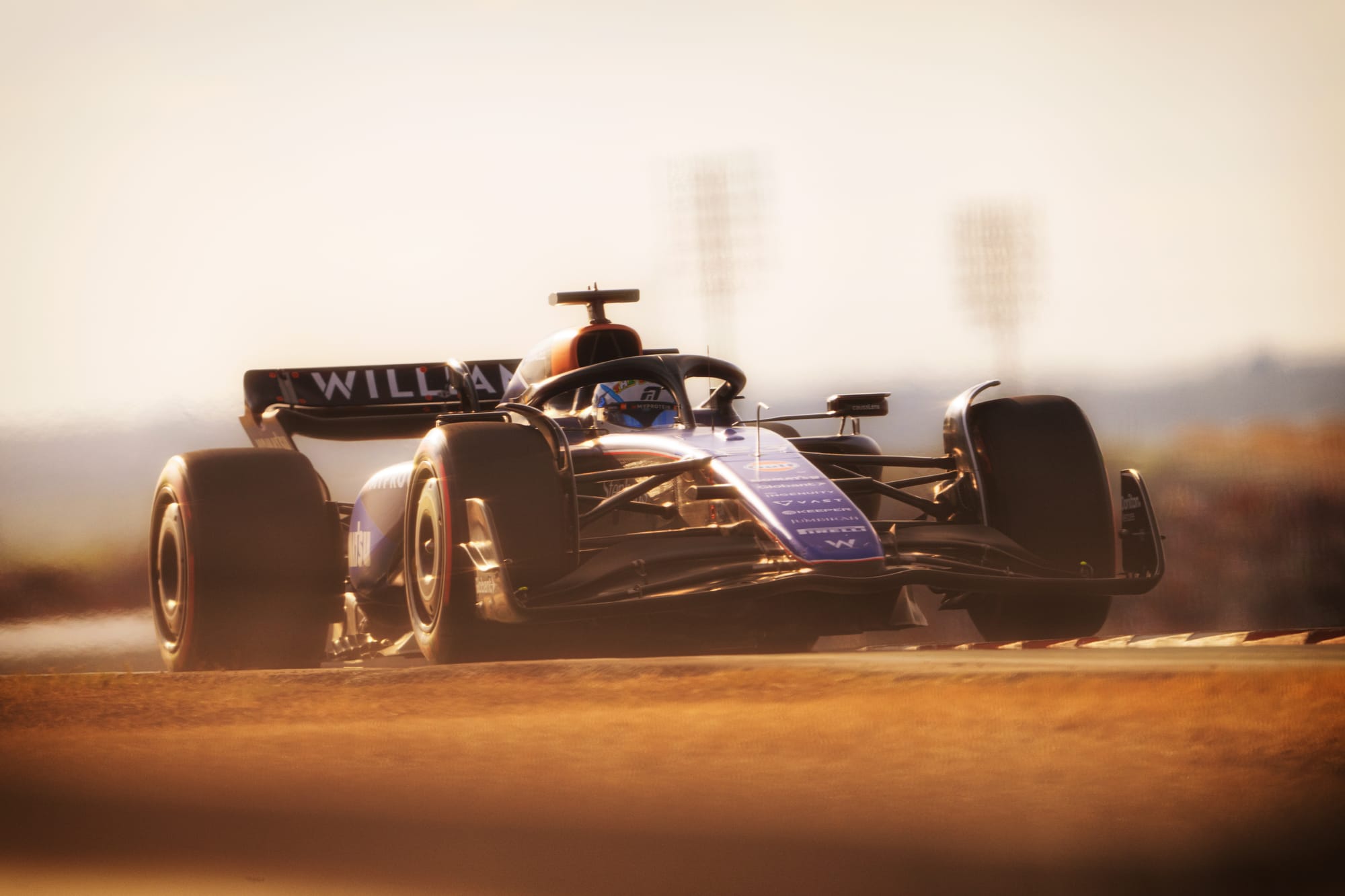
Q1 - 18 minutes
Q2 - 15 minutes
Q3 - 12 minutes
F1 uses a knockout format whereby the first two parts of qualifying progressively cut the field down from 22 to 10 drivers for the pole position shootout in Q3.
Previously Q1 eliminated the five slowest drivers and their laptimes set the positions for the grid from 16th to 20th.
But for 2026, the slowest six drivers will be eliminated, with two added cars on the grid courtesy of Cadillac, and their laptimes will set the positions for the grid from 17th to 22nd.
The laptimes for the remaining 16 drivers are then reset ahead of Q2, which eliminates another six drivers. Their laptimes set the positions for the grid from 11th to 16th.
The top 10 fastest drivers then battle it out over 12 minutes, with the quickest driver earning 'pole position' for the grand prix - ie the first place on the starting grid.
Parc ferme begins
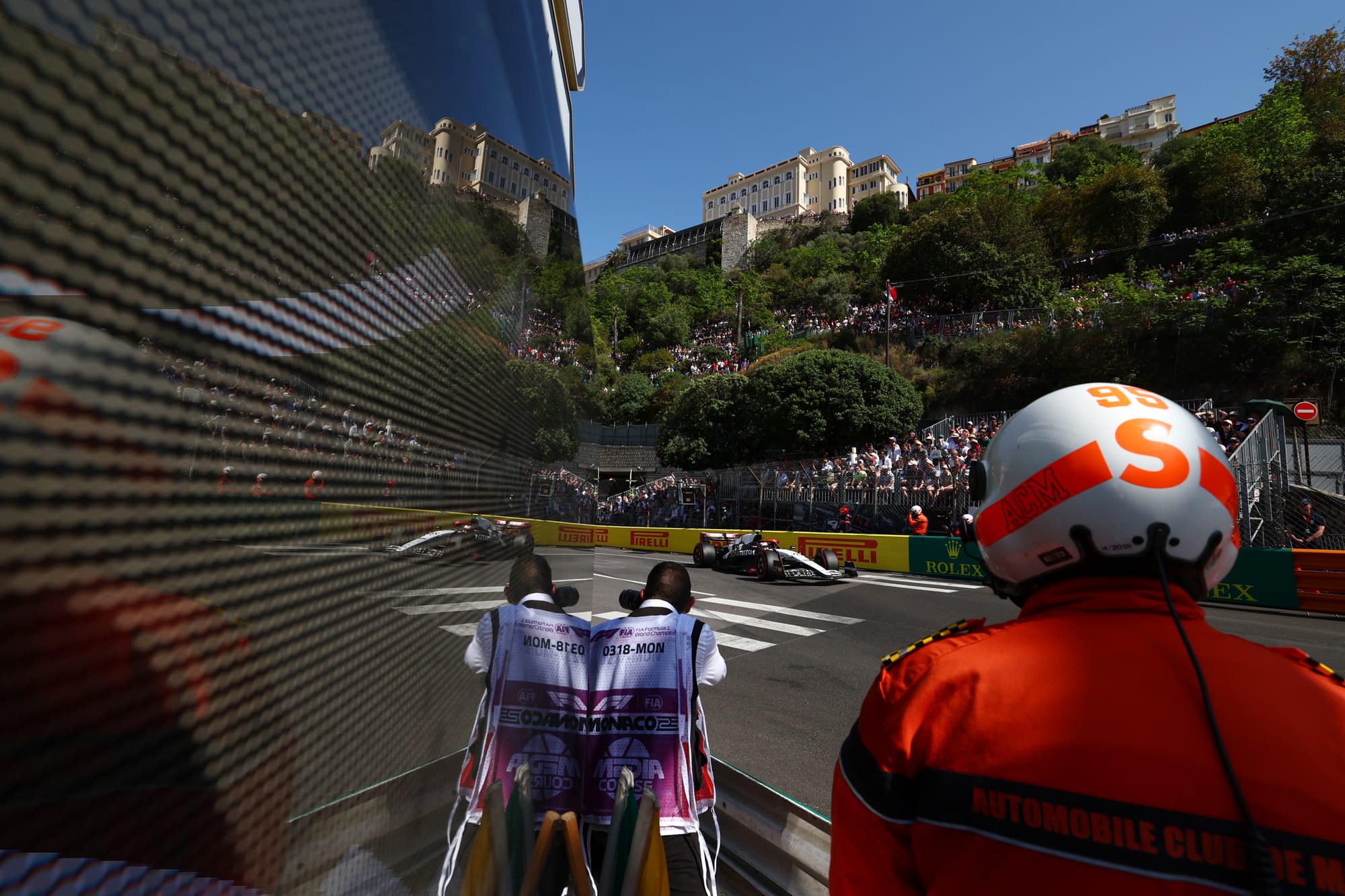
F1 qualifying is also when the F1 cars enter 'parc ferme', which means the teams can no longer make changes to the set-up of their cars outside of very minor adjustments.
This makes it incredibly important for each driver to have their car in the right window before the start of qualifying or they'll be locked into that set-up for the whole of qualifying and the grand prix - unless they break 'parc ferme', which necessitates a pitlane start.