12 big F1 moves with disappointing first seasons
Lewis Hamilton’s underwhelming first Formula 1 season with Ferrari isn’t the first disappointing start to a major driver change.
As Hamilton hopes to turn around his Ferrari move, we look back at 12 other top-line F1 drivers who switched teams and stumbled at first.
Some of these improved in subsequent years - but some continued to flounder (and some were one-and-done)…
Compiled by Josh Suttill, Finlay Ringer, Ben Anderson, Matt Beer and Glenn Freeman
Kimi Raikkonen
Ferrari, 2014
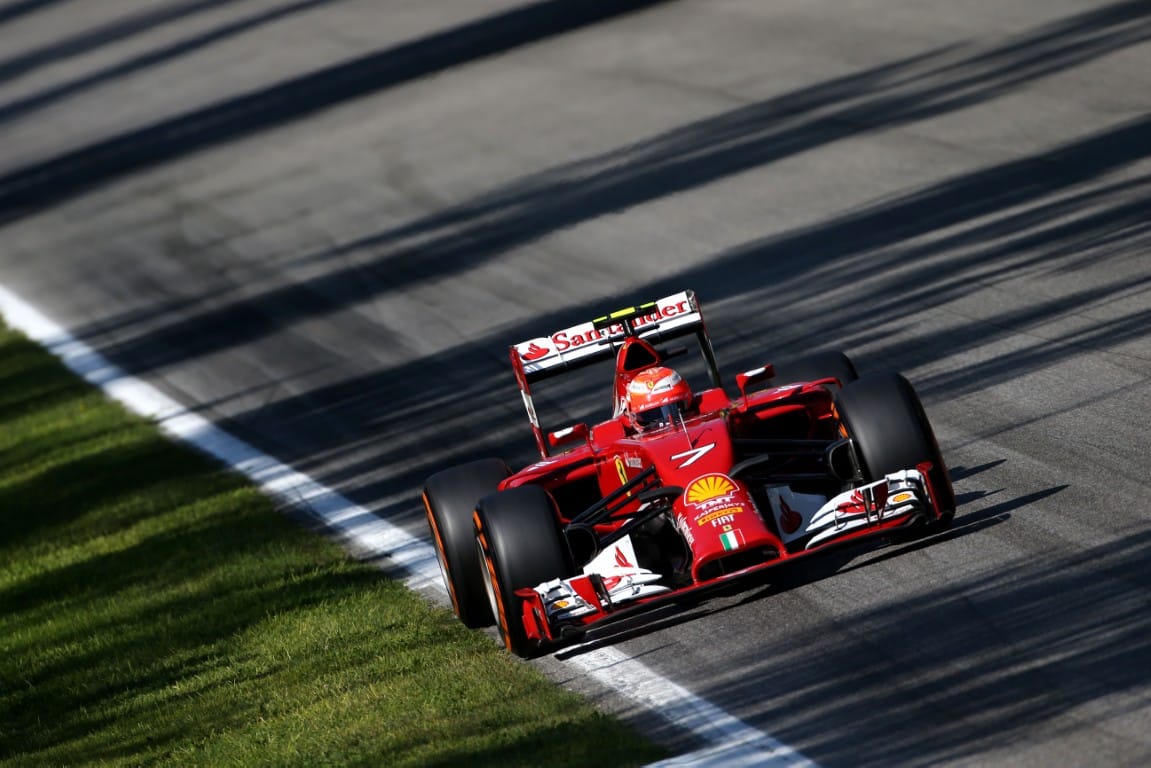
Kimi Raikkonen returned to the F1 stage with Lotus in style in 2012 after a two-year sabbatical for a mostly unsuccessful rallying foray.
Back in F1, Raikkonen was showing little signs of having lost his edge with two wins, consistent podium finishes and a best championship result of third in 2012, enough to convince Ferrari to rehire him, to form what looked like a potential superteam with Fernando Alonso - the driver Ferrari had paid Raikkonen off to hire just five years prior.
But his first season back with Ferrari was deeply underwhelming as he struggled to adapt to a tricky car in which Alonso thrived.
While Ferrari got the new hybrid era regulations badly wrong, lagging well behind the Mercedes benchmark and instead fighting Mercedes customer teams, Raikkonen was still convincingly outperformed by Alonso. He was out-pointed 161-55 and, on average, half a second a lap slower than Alonso in qualifying.
Raikkonen didn’t stand on the podium all year, with a best finish of fourth at Spa - one of only two top-six finishes all season.
That consigned Raikkonen to being Ferrari’s number two driver as Sebastian Vettel was brought in to replace McLaren-bound Alonso from 2015 as the team’s spearhead. And in hindsight, it made you wonder whether there was even more in the 2012-13 Lotus machinery.
Raikkonen did get closer to Vettel than Alonso and even climbed back onto the top step of the grand prix podium at the end of his fifth season, but he remained a shadow of his former self for the majority of the stint, which at least thankfully never got as bad again as it did during the first season.
Daniel Ricciardo
McLaren, 2021
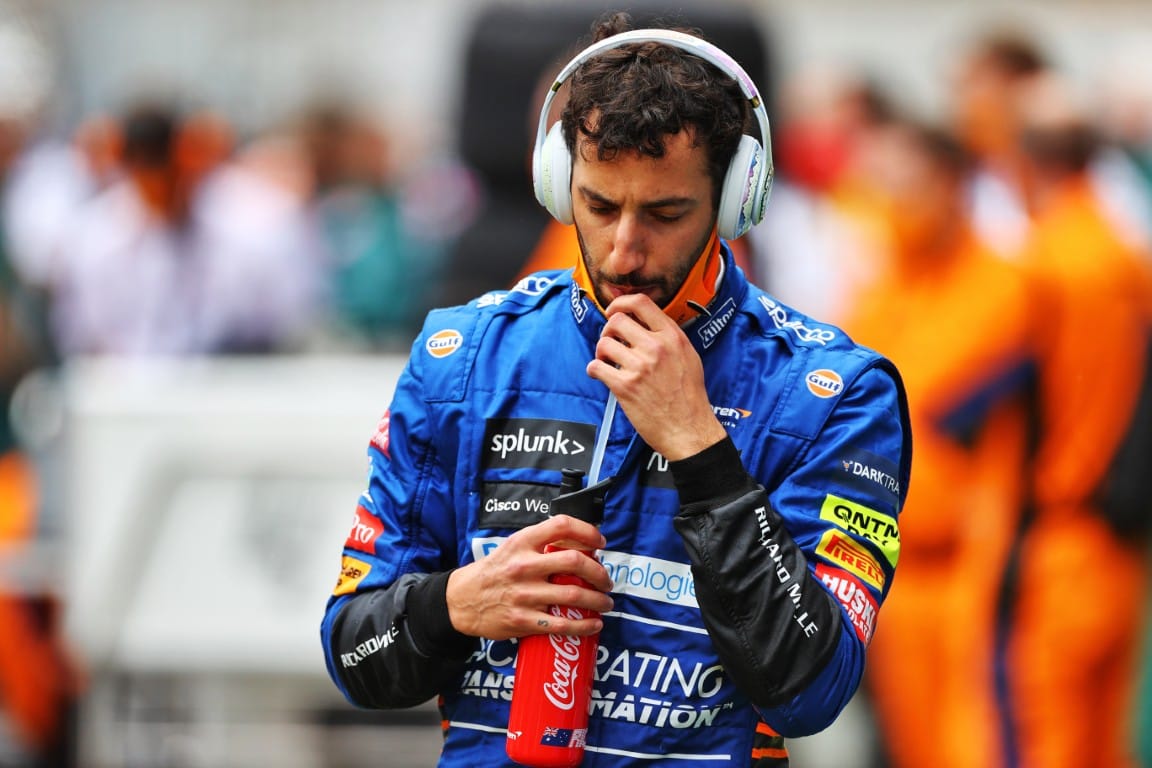
Daniel Ricciardo’s shock journey to pastures new at Renault probably went about as expected, given it was such a left-field gamble. After a so-so first year, he did at least reinforce his reputation as one of F1’s finest drivers with a stellar 2020 season, comprehensively outperforming Esteban Ocon.
But before that year began, he’d already signed with a rebuilding McLaren team that would go on to finish third in 2020 and seemingly vindicate Ricciardo’s decision to move teams.
A period of adaptation was always going to be needed, given that McLaren’s unique car characteristics were at odds with Ricciardo’s usual driving style.
However, nobody quite expected that adaptation period to last so long - as despite a decent start where Ricciardo outqualified Lando Norris in the first two races, Ricciardo soon struggled consistently to match Norris’s level.
The Monza victory was a clear and unlikely standout for Ricciardo, but for much of the year he was underwhelming.
It proved to be a precursor to a far worse 2022 season that would lead to McLaren replacing Ricciardo with Oscar Piastri after just two of the three years on his initial contract.
Gerhard Berger
Ferrari, 1993
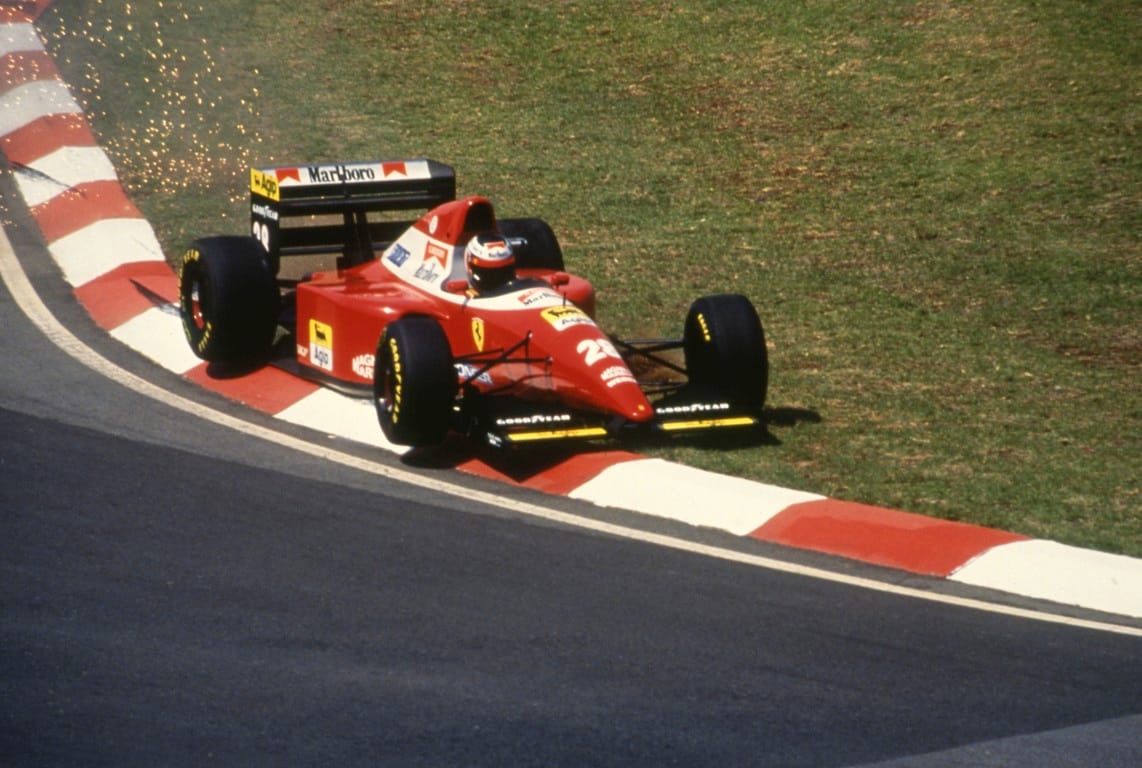
We've had a good time poking fun at Ferrari's shambolic active suspension car of 1993 during our '93 Revisited podcast series on Bring Back V10s, much of which focused on Gerhard Berger's recurring build-up of elbow fluid that season - which presumably happened because he had to get them out so much defending against the cars of much smaller teams than the one he'd just signed for, and against drivers on much worse wages than he was.
While Ayrton Senna was busy pouting and shaking down Ron Dennis for $1million per race to drive for Berger's old team McLaren in the early part of the year, BBC F1 commentators Murray Walker and James Hunt suggested that in moving to Ferrari Berger had become the best-paid driver on the grid.
His performances didn't really merit that status. Yes, the car was awful, and the suspension so unreliable and poor that it made the drivers' jobs almost impossible (see his bizarre Estoril '93 pit exit crash for the best example in Berger's case), but the incumbent Jean Alesi was genuinely impressive at times, qualifying on the second row at Spa and at Monza, and even leading at Estoril for a time.
Berger mostly drove into things while acting as a mobile red roadblock, and though he at least managed decent runs to third in Hungary (with the help of attrition) and fourth in Canada, 1993 was back then statistically his worst season since his first full-time F1 campaign with Arrows in 1985.
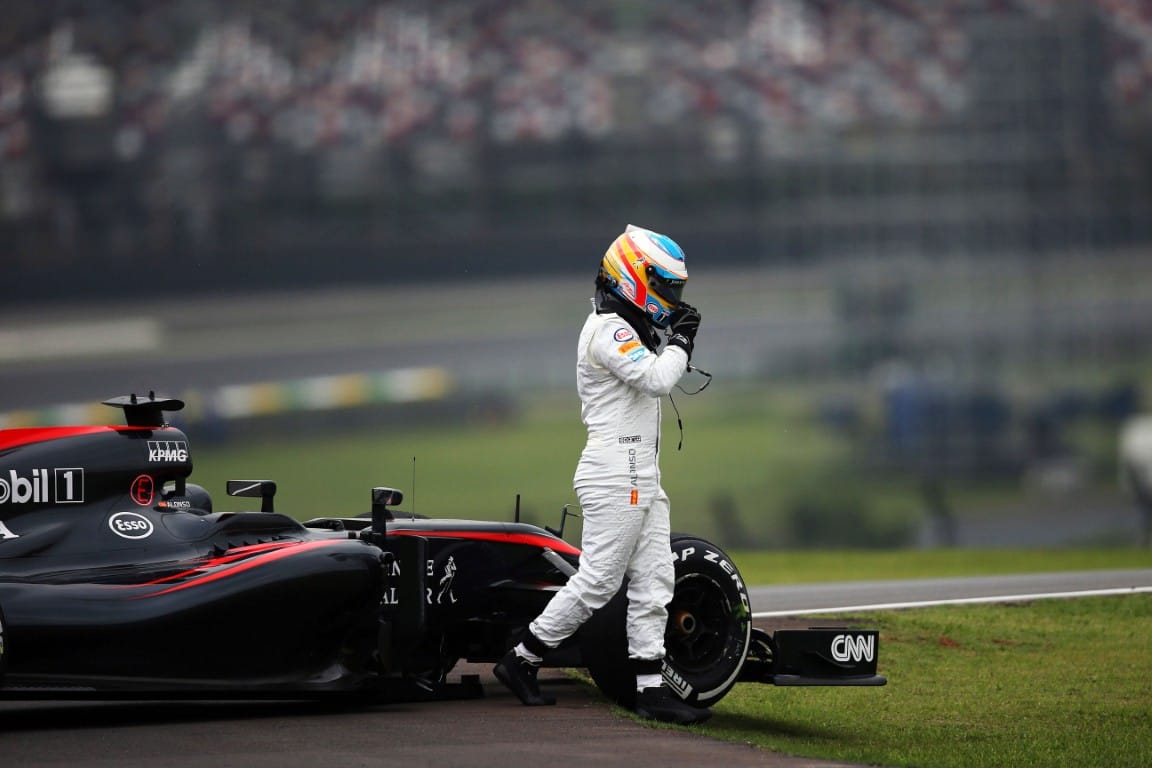
Fernando Alonso
McLaren, 2015
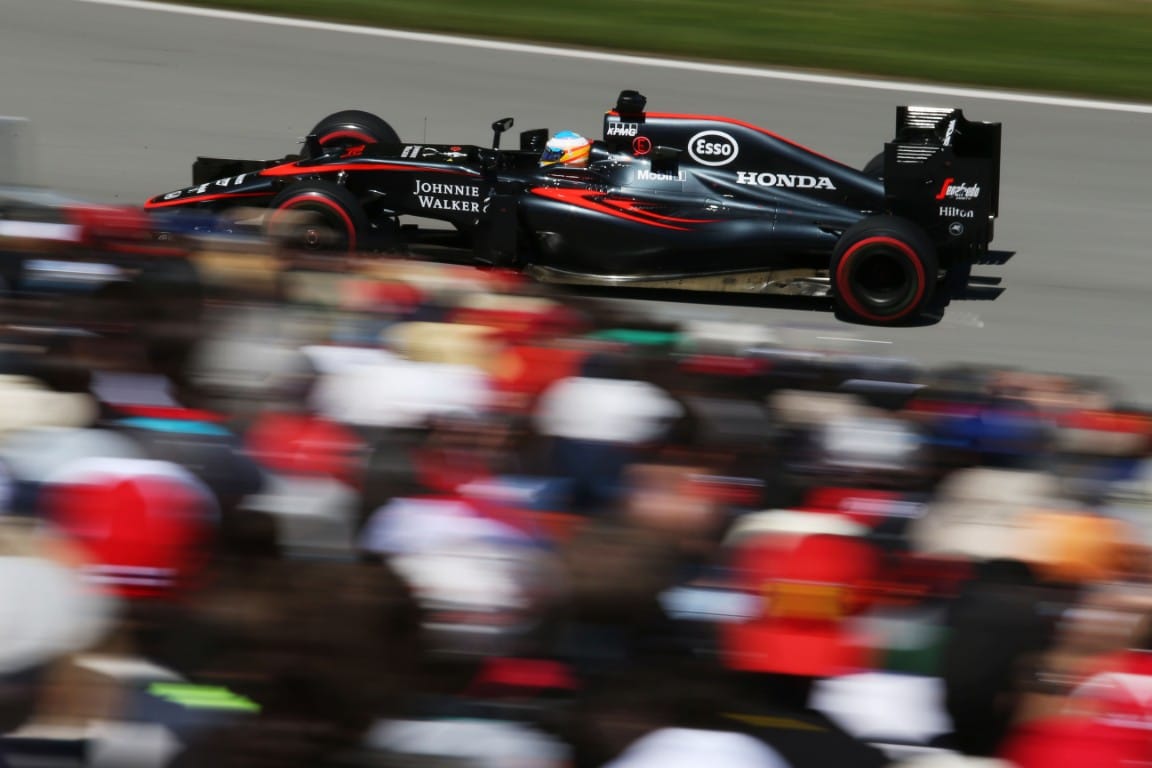
Whenever anyone questions why Alonso walked out on the final two years of his Ferrari contract in 2014 to rejoin McLaren, thus giving up on cars that won races in all but one of the subsequent seasons from 2015-19 to drive ones that couldn't even make the podium once, he always maintains there was never any guarantee he'd stay at Ferrari beyond 2016 and therefore wouldn't necessarily have been in his replacement Sebastian Vettel's position to challenge Lewis Hamilton for the 2017 and '18 titles.
But surely in hindsight Alonso wishes he'd stuck around long enough to at least try to negotiate a contract extension! The McLaren-Honda Mk2 years were an unmitigated disaster, borne principally of ultimate boss Ron Dennis's (somewhat justified) paranoia that Mercedes having its own works team for the hybrid engine revolution of 2014 would reduce McLaren to lower-tier customer status.
He jumped back into bed with Honda to usher in a new era of McLaren world "domination", but in reality Honda's woefully underdeveloped and unreliable engines became a (somewhat justified) scapegoat for a team that hadn't built a decent car since 2012 and didn't like looking in the mirror all that much.
Both parties got there eventually - Honda with Red Bull and Max Verstappen, and McLaren back with Mercedes customer engines in an era where parity with manufacturer teams is enshrined in regulation - but in the meantime Alonso got swept up in several wasted years of politics, infighting, poorly-judged radio outbursts and terrible underperformance.
Alonso still drove brilliantly at times, but admitted the team's lack of competitiveness in that first season in particular got under his skin, and he was uncharacteristically critical of his own performance during a 2015 campaign when team-mate Jenson Button got the better of him in scoring 16 points to Alonso's 11.
Michael Schumacher
Mercedes, 2010
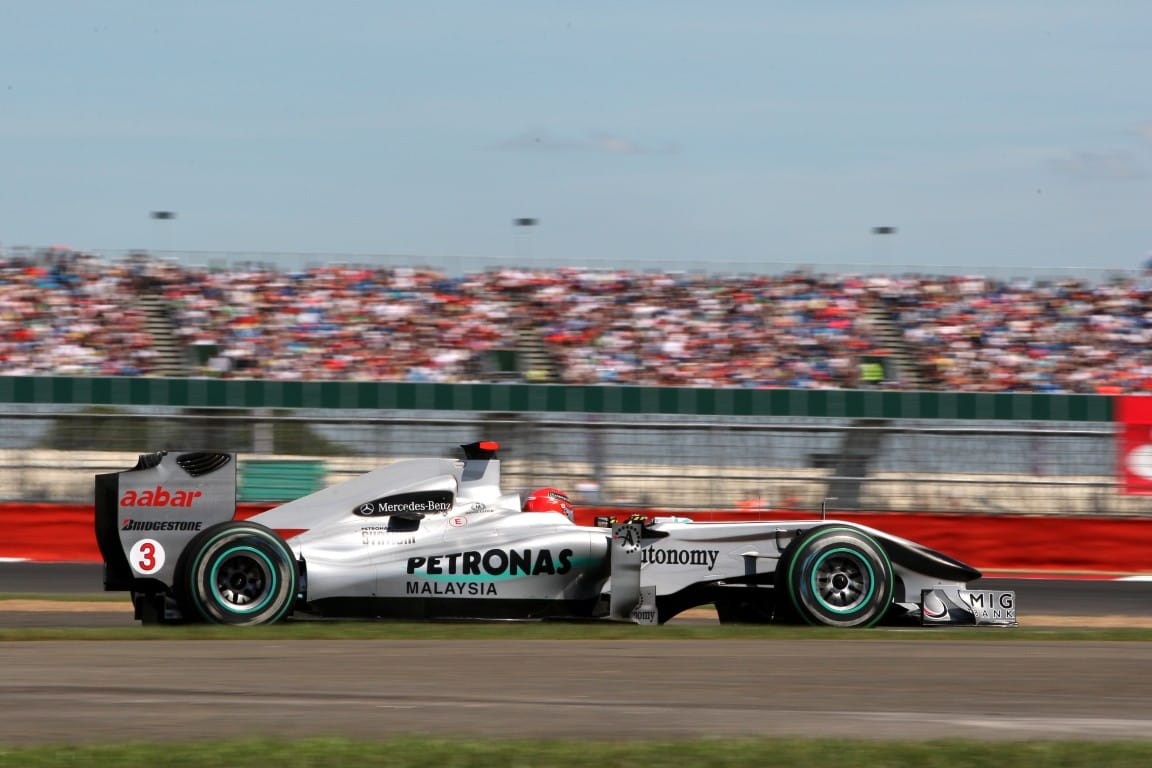
After three seasons out with monumental fanfare and the expectations of race wins and title number eight. Michael Schumacher returned to the grid in 2010 alongside fellow German powerhouse Mercedes, taking over the reigning champion Brawn GP team.
The now 41-year-old Schumacher was paired with the much younger Nico Rosberg, but the season was underwhelming for both Mercedes and Schumacher.
Schumacher was thoroughly outshone by Rosberg to the tune of 70 points - an unfamiliar feeling for prior team-mate destroyer Schumacher, who struggled with the controlled, slick Bridgestone tyres, having enjoyed the benefits of Ferrari’s Bridgestone partnership during his Ferrari heyday.
There were still glimmers of the Schumacher of old; his drive to fourth at Barcelona was particularly strong. But a lack of pace in other races, as well as a bafflingly dangerous manoeuvre on ex-team-mate Rubens Barrichello in Budapest, meant many of his race weekends ended on a sour note.
Schumacher would stay at the Mercedes team for two more seasons, returning to the podium in Valencia in 2012 and earning a stunning pole position in Monaco that never was (due to a penalty). That final 2012 season was the most impressive, but 2010 was a real indicator that Schumacher was far from the driver he had been in his first F1 stint.
Nelson Piquet
Lotus, 1988
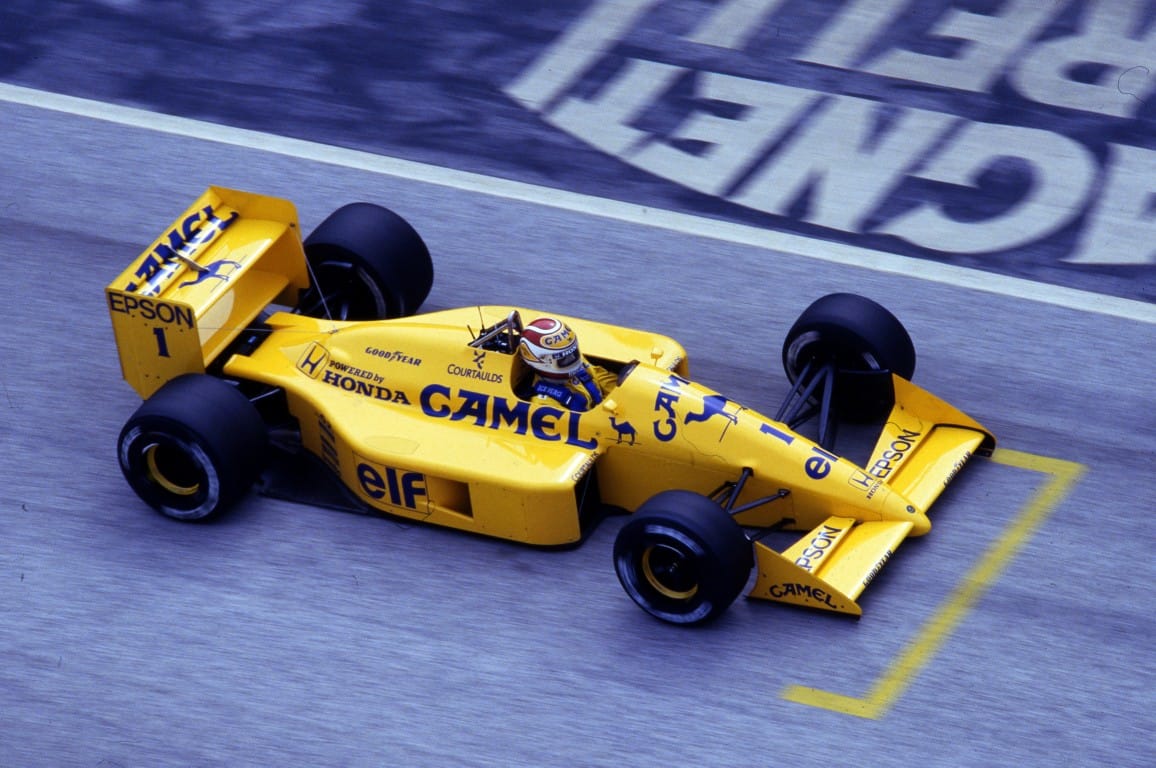
Reigning champion Nelson Piquet's arrival at Lotus for 1988 marked the end of him being regarded as an elite F1 driver and the start of Lotus's final, terminal decline into ignominy.
And while the aerodynamically-underwhelming Lotus played a part in that, it was the increasingly disinterested (but well-paid) Piquet's reputation that took the biggest hit. Two distant podiums in the first two races turned out to be the peak of a season that rapidly tumbled into midfield irrelevance.
Piquet's unsavoury comments about Senna (among others) in a notorious pre-season Playboy interview suggested he had no worries whatsoever about how his performance in the Lotus cockpit Senna had vacated for McLaren would match up to his rising star countryman's achievements there.
That confidence aged badly as Senna swept to the title in the similarly Honda-powered McLaren and Piquet scored just under 40% of Senna's 1987 Lotus tally - a stat that's actually slightly generous to how their performances compared. Piquet came nowhere near Senna's race-winning achievements, and while winning in anything other than a McLaren in 1988 was nearly impossible, the occasions Piquet was shown up by team-mate Satoru Nakajima (there to please Honda rather than for any particular expectation of results) were particularly damning.
The only good thing about Piquet and Lotus's 1988 together was that it was better than their 1989, by which time they'd lost Honda power and Piquet didn't even qualify for the Belgian Grand Prix.
Nigel Mansell
McLaren, 1995
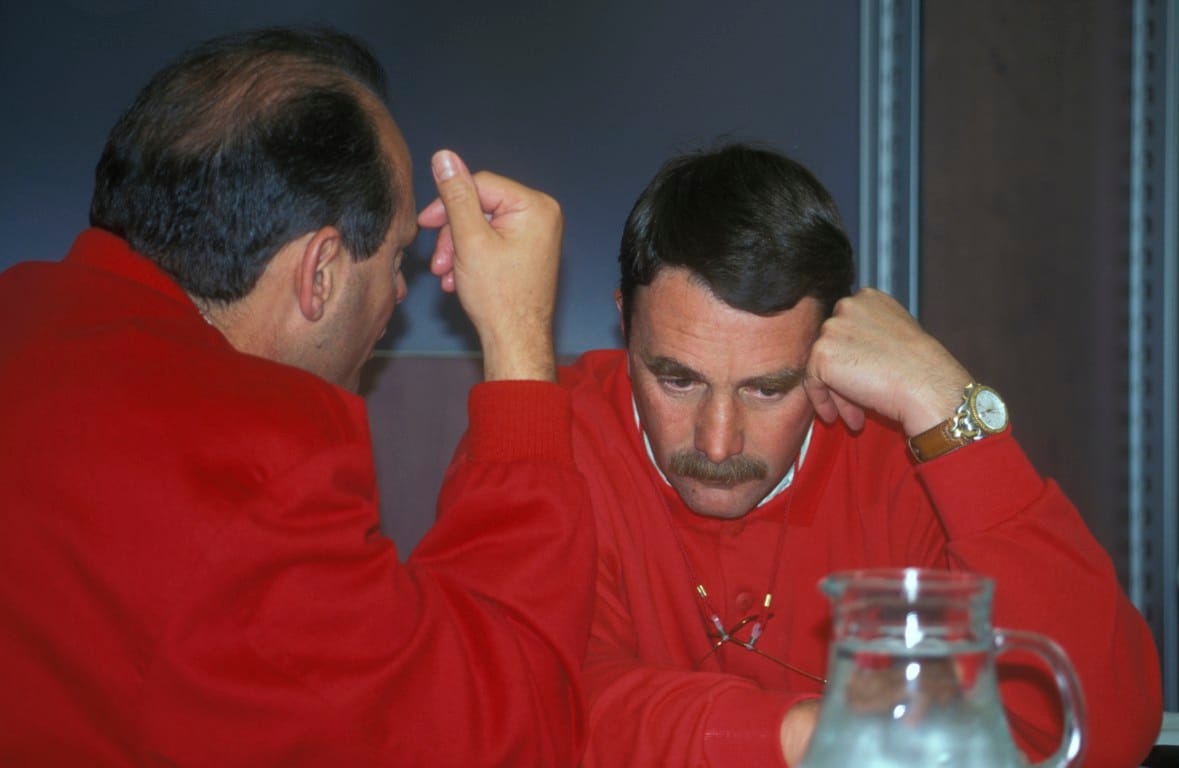
Nigel Mansell needed an F1 home after being snubbed by Williams for 1995. McLaren wanted an attention-grabbing name after its painful 1994 season with Peugeot and with Williams having managed to keep hold of its intended new signing David Coulthard for now. So despite a long history of being uncomplimentary about each other, Mansell and newly-Mercedes-powered McLaren hooked up for 1995.
Which could still have worked on a pragmatic basis given everything Mansell, McLaren and Mercedes were capable of at their best... but an ill-conceived (and ugly) car that Mansell immediately realised was both a particularly bad fit for his driving style and nowhere near good enough for the title bid he expected was both not McLaren at its best nor likely to get the best out of Mansell. And that was before it became clear the cockpit was too narrow for him to actually drive the thing.
Mansell missed two races while the car was widened for him, finished a twice-lapped 10th at Imola to team-mate Mika Hakkinen's fifth and then parked from 17th at Barcelona because he felt the car was undriveable, dramatically walking away from both McLaren and F1. Even the (many) people sceptical about Mansell and McLaren working together didn't expect it to turn out that terribly. It was over so quickly it barely qualifies for this feature about bad first seasons.
There was a hint of promise in Mansell qualifying right with Hakkinen at Barcelona (before going backwards with a bad start and trip off the road). Hakkinen at least salvaged two podiums from 1995. Perhaps if Mansell had stuck with it and recalibrated his expectations into steadily leading McLaren back from its post-Senna/Honda wilderness, there would've been a chance to eventually flip the narrative. But that wasn't what Mansell had come back to F1 for, and given what unlikely colleagues he and McLaren boss Ron Dennis always were, this relationship always looked doomed unless the McLaren-Mercedes had been an immediate winner.
Jenson Button
Benetton, 2001
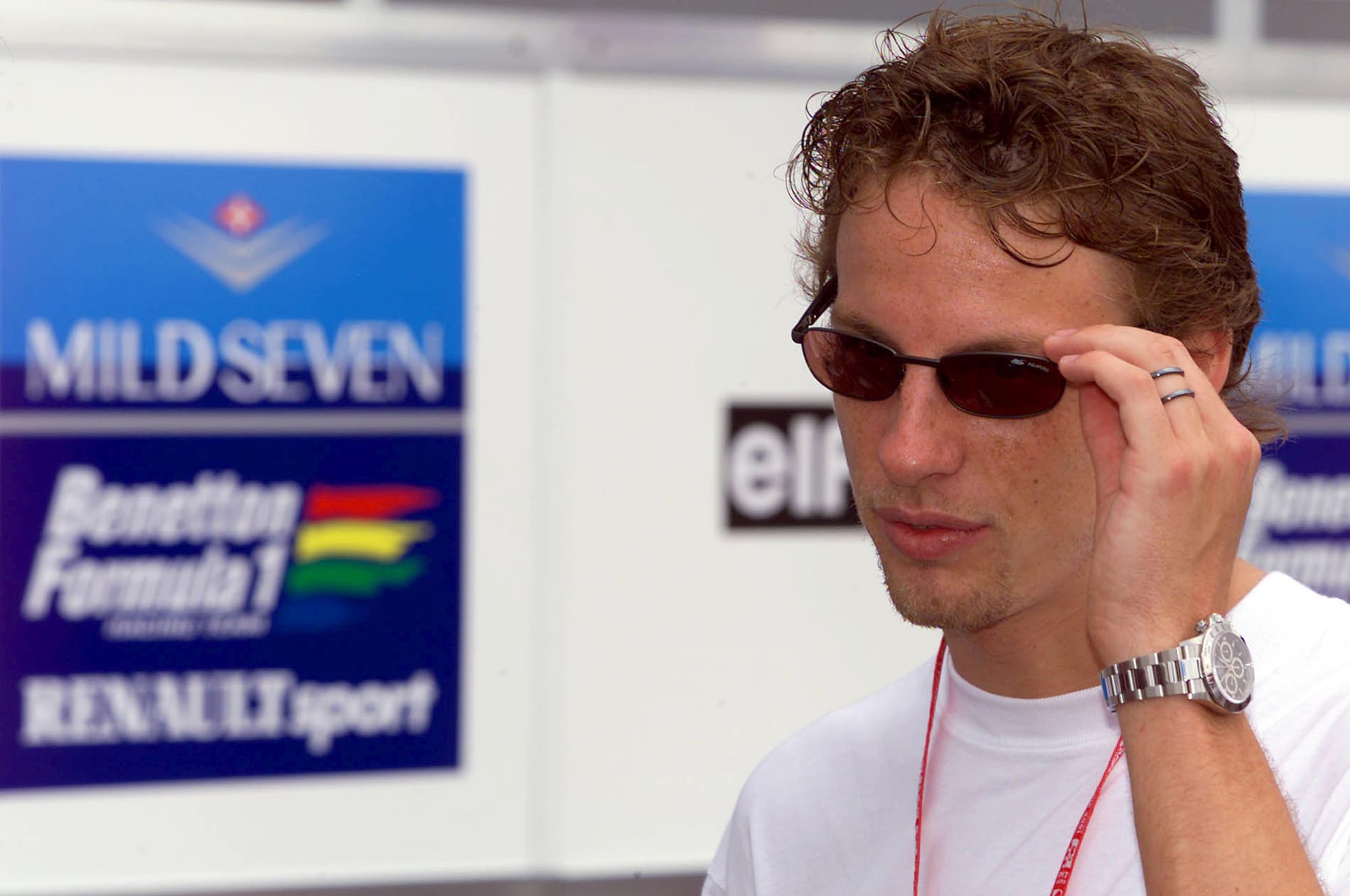
A 20-year-old Button had an impressive debut F1 season for Williams in 2000 with plenty of standout performances, like becoming F1’s youngest points-scorer in Brazil or taking third place on the grid at Spa.
Even though he had to make way for Juan Pablo Montoya for 2001, Williams retained a keen interest in him, setting the stage for (two separate) disputes over his potential return several years later.
Button was instead ‘loaned’ out to Benetton, which was back under Renault ownership since 2000 and rebuilding itself back towards the title-winning force it would become in 2005.
But it was far from that place in 2001 with a tricky, power steering-less car in which Button scored just two points all season. By his own admission, Button was beaten by team-mate Giancarlo Fisichella, who, in Button’s words, “had the knack of getting speed out of a dog of a car”.
Fisichella outqualified Button 13-4 and even grabbed an unlikely podium at Spa.
Briatore said Button “let us down a bit” in 2001 and accused him of being a “lazy playboy” in Monaco that year. Button’s early-season wasn’t helped by a shoulder injury he picked up at Sepang either.
While he was only in his second season at this point, Button makes this list given the impact his rookie year had made and how a bruising 2001 threatened to derail that progress - particularly while his Williams replacement Montoya was shining so brightly and other new stars like Raikkonen and Alonso (soon to replace him at Renault) were emerging.
Thankfully, a busy winter, partly spent with designer Mike Gascoyne to better understand the car’s development direction and how to set up a tricky car, laid the foundations for a stronger 2002, ahead of a move to better things at BAR Honda for 2003 - a path that would (eventually) take him to the title in 2009.
Jacques Villeneuve
BAR, 1999
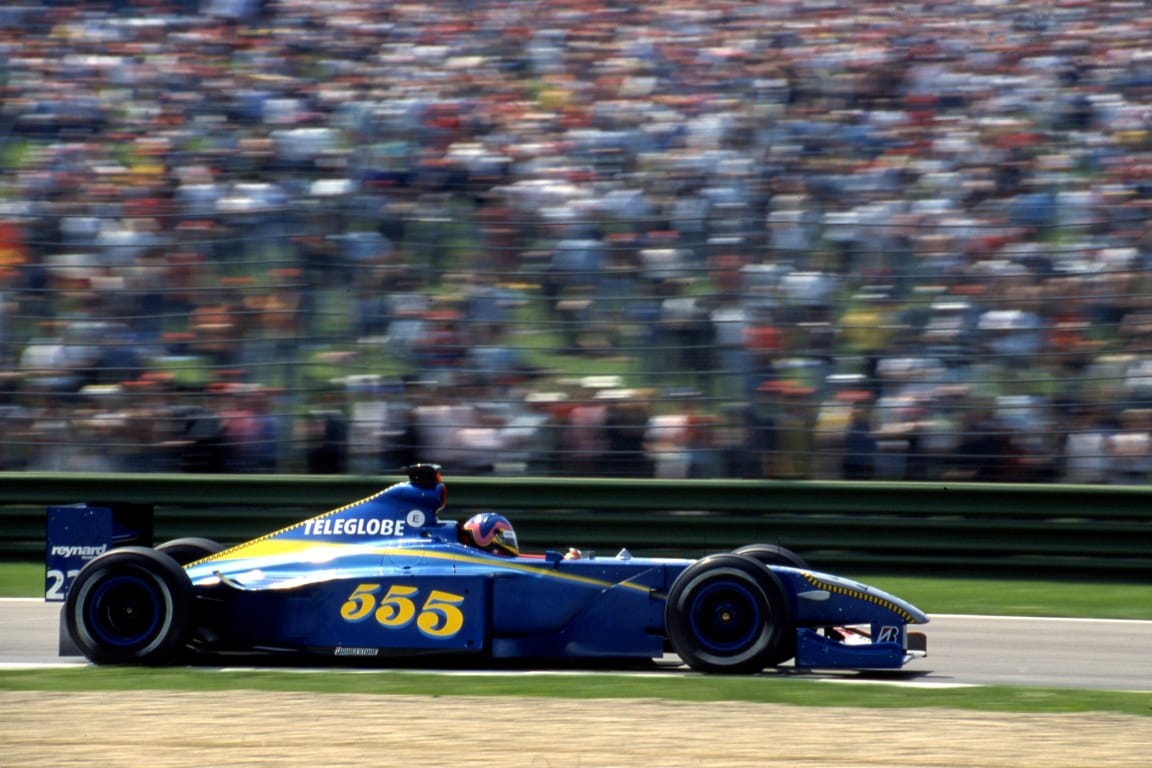
An F1 team created from scratch with huge amounts of tobacco funding, built around a world champion. There was talk of if BAR would be able to win its first race with Jacques Villeneuve (though nobody in the team was quite as definitive as they are always accused of being), yet they ended the first season finishing behind Minardi in the championship, last and without a single point.
The car was horrendously unreliable, which was blamed on the vibrations caused by the ageing, ex-Renault 'Supertec' engine. Aside from the awful finishing record, the most notable thing about BAR's first F1 season was the agreement between Villeneuve and Ricardo Zonta to take Eau Rouge flat out in qualifying at Spa - which ended disastrously both times.
Villeneuve's career never recovered from the move, and out of loyalty to team founder and his personal manager Craig Pollock, he turned down interest from Benetton/Renault and even McLaren. When it finally came good for BAR in 2004, Villeneuve had been jettisoned just before the end of the previous season.
Keke Rosberg
McLaren, 1986
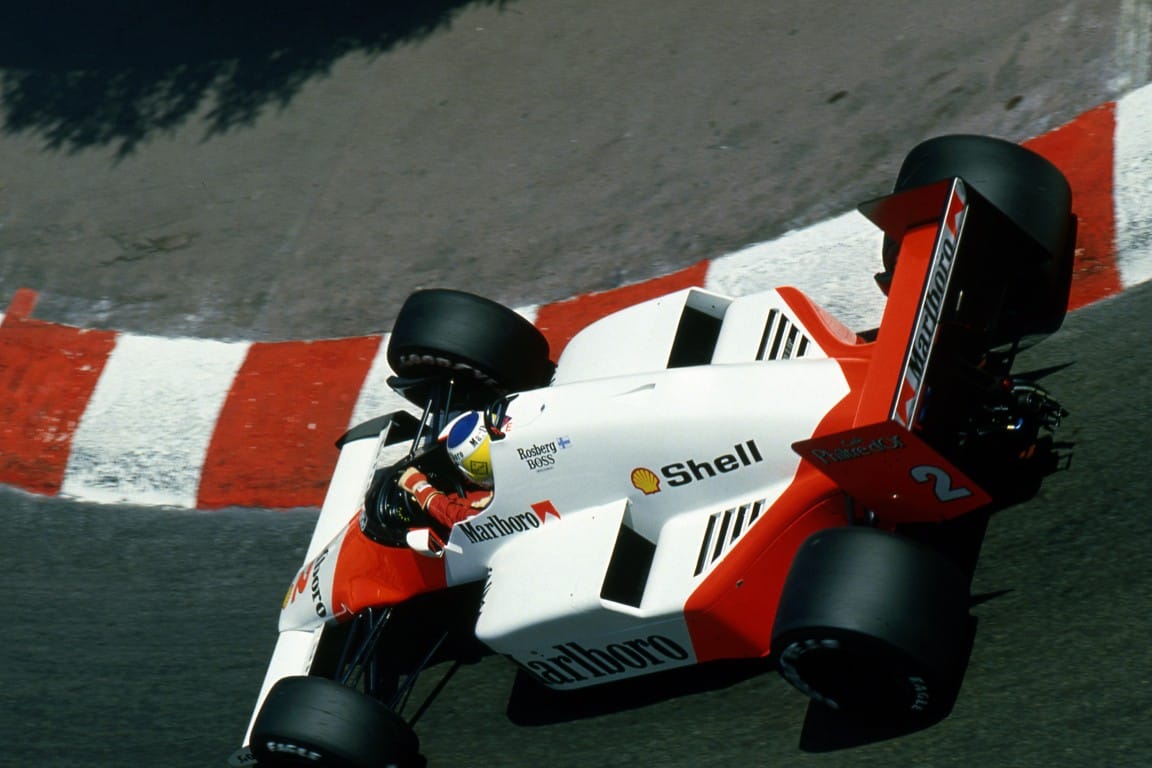
Keke Rosberg's one-year stint at McLaren was doomed from the off when he crashed at the start of his first test of the team's 1986 car in Brazil. Designer John Barnard was furious, and perhaps that fed into his reluctance to help when Rosberg spent the first half of the year complaining that he couldn't drive a car that had been developed around Alain Prost.
While Prost won the championship against the odds in a three-way battle with the faster Williams cars, Rosberg claimed just one podium finish, announcing mid-season that it had been his intention all along to experience life at McLaren for one season before retiring.
His most notable performance in a year largely spent cursing understeer and F1's strict fuel limits came at the finale in Adelaide, where he revelled in his role as the 'hare' in a bid to help Prost, leading 56 laps before a tyre failure put him out.
Juan Pablo Montoya
McLaren, 2005
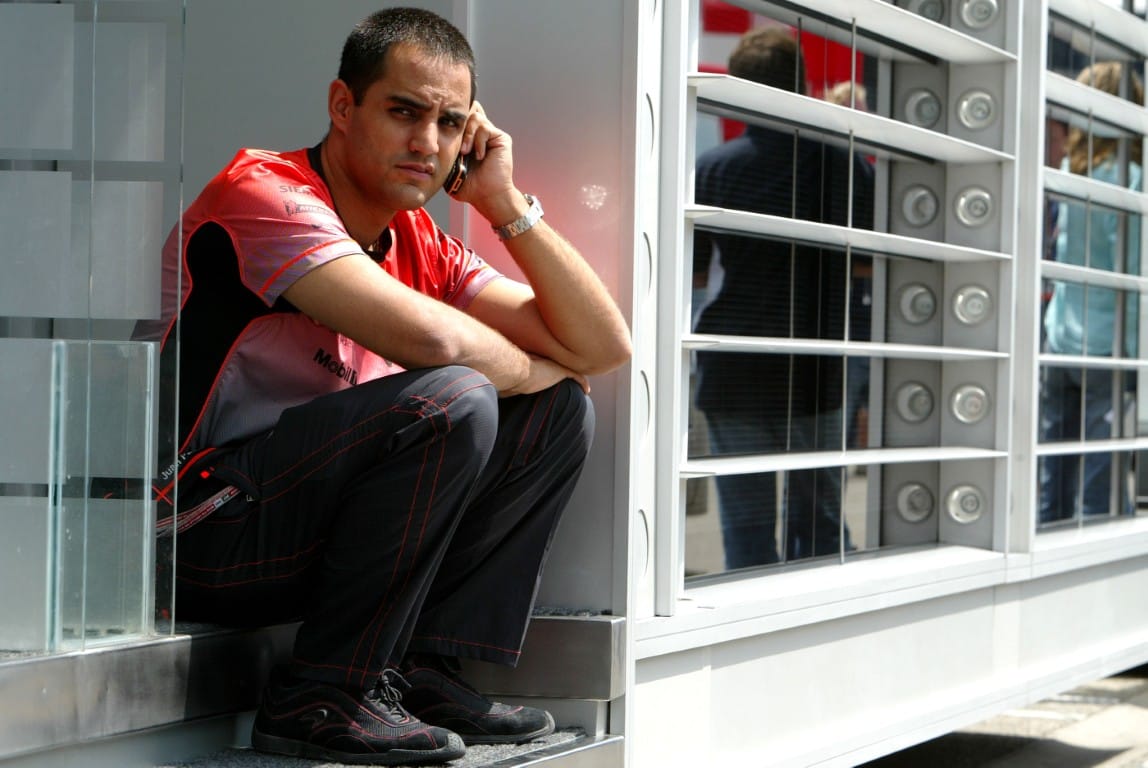
Just like Ricciardo, Montoya had signed for McLaren even before he started his final season with his current team, Williams.
So after much anticipation, Montoya finally took his place alongside team-mate Raikkonen in 2005, only to suffer a deeply underwhelming - and bizarre - start to life at McLaren.
He had to miss races three and four because of a shoulder injury, which he claimed at the time was sustained from tripping over an errant tennis ball, but looked suspiciously like the result of a motorcycle accident.
When he returned Raikkonen won three of the next four races while Montoya didn’t finish on the podium once - he was disqualified while second in Montreal because he left the pits while the red light was on, and his Monaco weekend was wrecked by a penalty for causing a four-car pile-up in practice.
Montoya won at Silverstone and then recovered from crashing in qualifying to charge from 20th to second at Hockenheim.
More victories followed at Monza and Interlagos, but there were plenty of incidents in between that meant Montoya was nowhere near the title fight that Raikkonen lost to Alonso.
Three victories really isn’t bad for an ‘underwhelming’ season - the peaks here were higher than any other driver on this list - but there was a bafflingly long list of lost points and Raikkonen remained the team’s clear spearhead.
That trend continued into 2006, with Montoya and McLaren splitting partway through their second season together. A frustrating but typically explosive end to Montoya’s F1 career. Oh, what could have been.
Heinz-Harald Frentzen
Williams, 1997
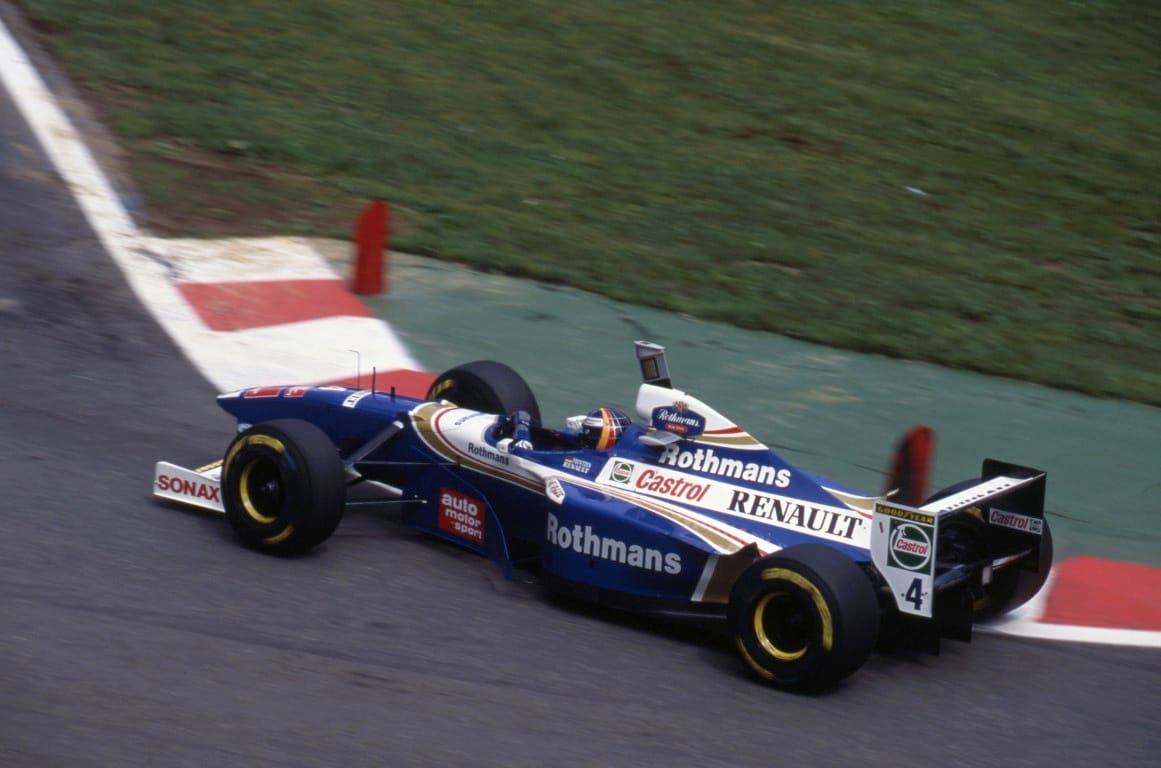
Williams made one of the biggest driver moves of the 1990s by signing Heinz-Harald Frentzen to replace its world championship leading driver Damon Hill.
It meant Frentzen had huge shoes to fill for 1997, believed to be the next big thing - according to Frank Williams, the answer to Schumacher, who Frentzen had enjoyed sportscars success alongside in the early 1990s.
Bar a victory at round four at Imola, which proved to be a false dawn for things clicking, Frentzen’s season was deeply underwhelming.
He scored just over half the points of team-mate Jacques Villeneuve, who went on to beat Michael Schumacher in a tense title fight.
It shattered any chance of Frentzen being the driver Williams hoped he was, with Frank Williams later reflecting he made a “serious error of judgement” in swapping Hill for Frentzen.
Having been unexpectedly underwhelming at Williams, Frentzen was then a surprise revelation when he joined Jordan for 1999, putting together one of F1’s most unlikely title bids.