What early debut and first F1 car details say about Cadillac
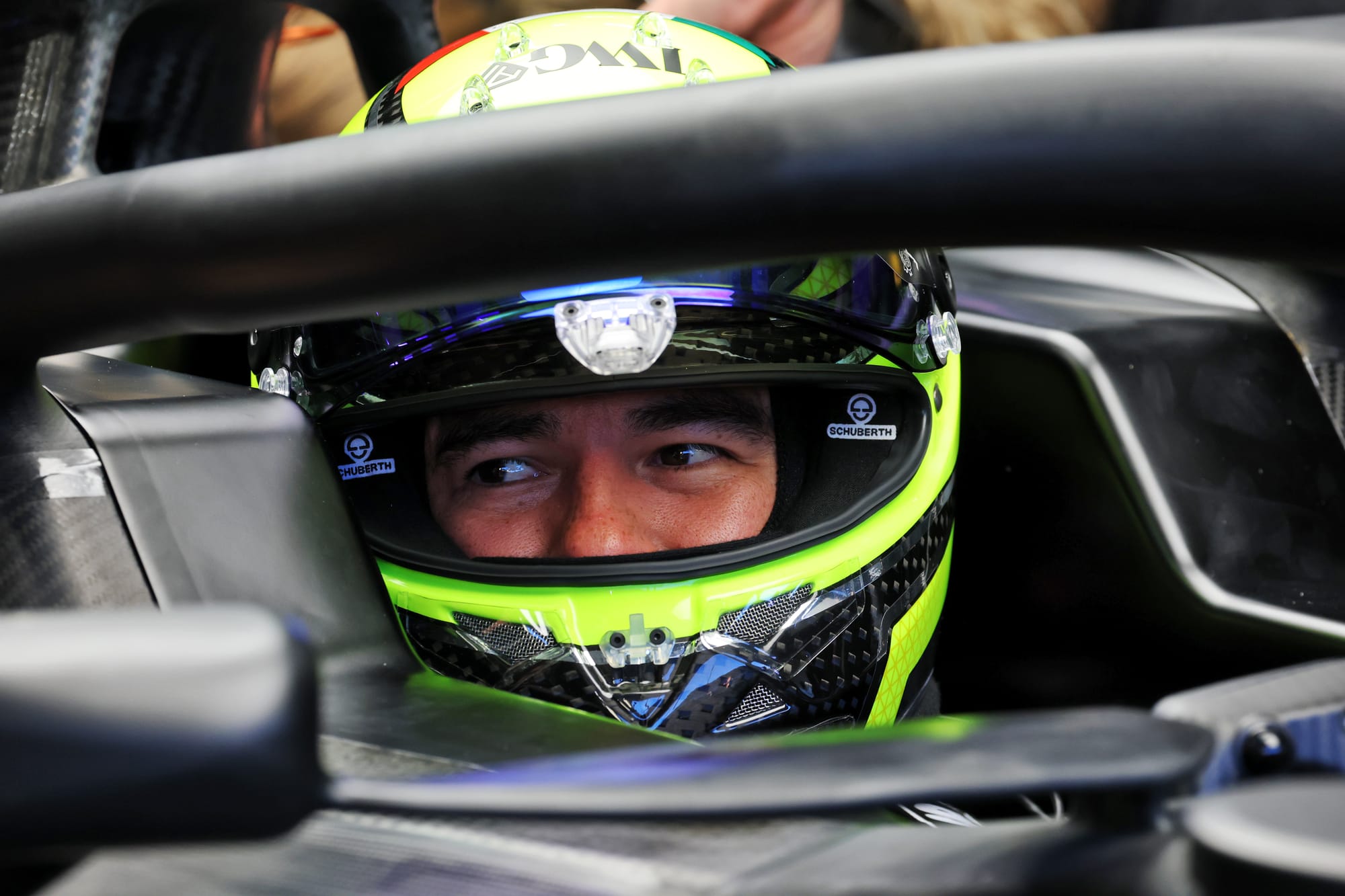
Cadillac became the first Formula 1 team to show off its real 2026 car in any meaningful detail with images and video released from its on-track debut.
The team co-owned by General Motors logged its first ever laps when Sergio Perez drove in a Silverstone shakedown on Friday January 16.
It came a week after Audi did the same at Barcelona, and a day after Red Bull’s two F1 teams released their 2026 liveries. But none of those teams dropped meaningful hints themselves.
Audi released a few pictures of their car on social media, but heavily disguised by the way the photos were taken and how they were edited, although some images and video were captured from people lurking around the Barcelona perimeter.
As for Red Bull, their liveries were released on mock-ups that were not the real 2026 cars - but were different to the main F1 show car that has been developed, which meant they provided some bigger 2026 styling cues without necessarily being specific to the real RB22 or VCARB03.
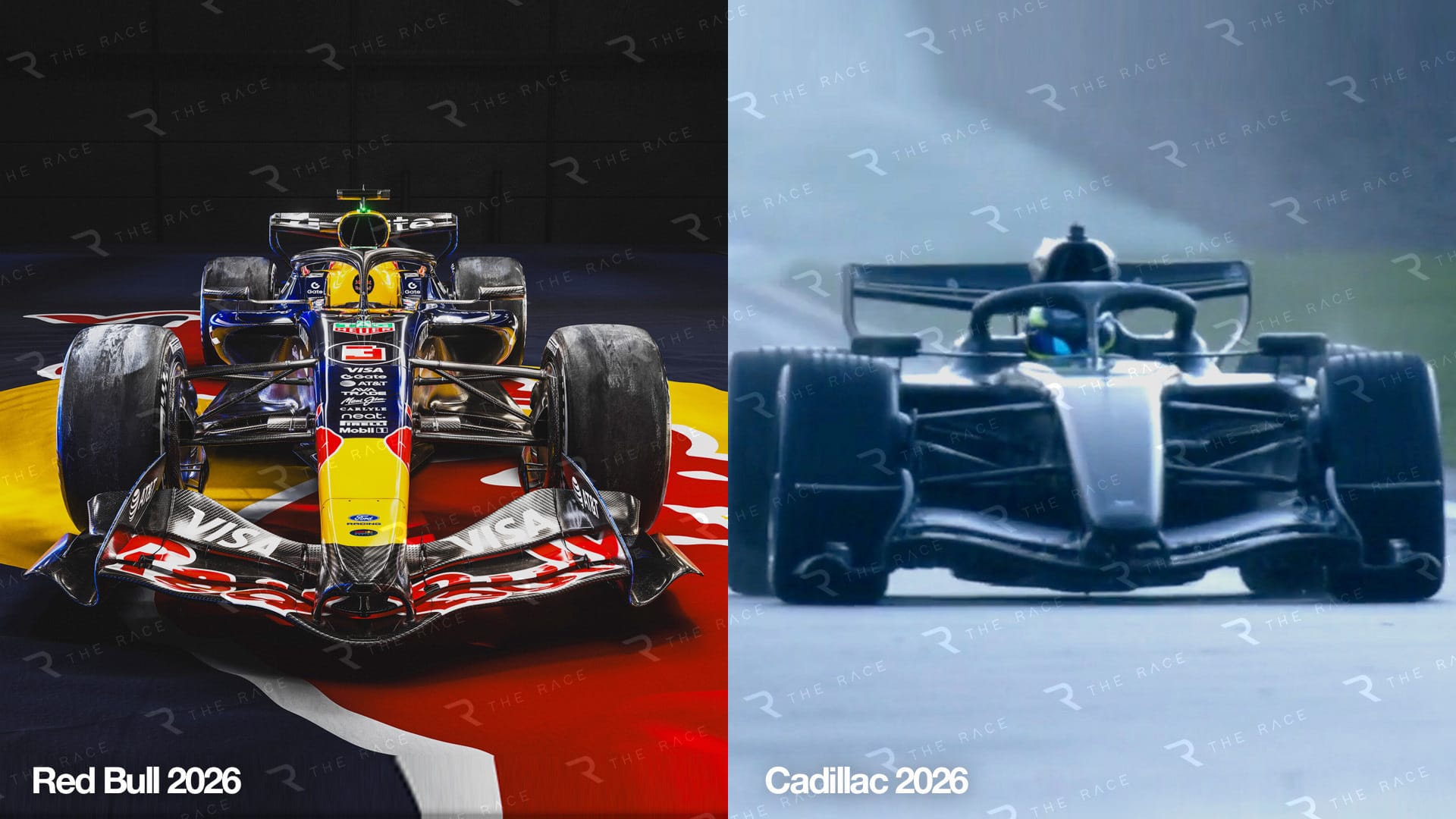
Cadillac, though, is to be commended for showing off more of its car despite this not being a launch or even something the team broadcast in advance.
Shakedowns for any team with brand new car and engine rules are fraught with peril, not least a completely new one. It was no surprise to hear whispers that Cadillac was up against it to get on track on Friday as planned, or that time was spent in the garage through the morning.
But Perez did get on track, the team has run its car for the first time - and been willing to show it, too. It was hardly a full-scale surprise launch with ultra-clear imagery and a tonne of angles. In an age of obfuscation and misinformation, though, it was a nice change of pace.
The first lap of something bigger. pic.twitter.com/QCOcF7RoGt
— Cadillac Formula 1 Team (@Cadillac_F1) January 16, 2026Perhaps that is because it has the least to hide, with Cadillac likely to be at the back to start with, but nonetheless, it has taken the leap of being the first 2026 team to even remotely show its hand.
Cadillac wanted to mark the occasion because this was a major milestone. It is known to have expressed this internally and encouraged staff at its Silverstone-adjacent UK facility to go along to watch. There are key figures in the garage as you would expect, but also onlookers applauding at the end of the short video Cadillac put together from the day, too.
There is a chance that mileage was restricted enough that this will only count as a demonstration event, not a full-blown filming day (or promotional event per the regulations), which could mean Cadillac has kept a day of 200km running in reserve. If so, that will be useful to deploy at an appropriate moment. If not, this even a limited filming day still served a purpose. Cadillac’s mountain is not getting any smaller, so even a few steps from base camp is progress.
The team’s other driver, Valtteri Bottas, said last year that the first priority and target for Cadillac is simply to ‘be there’. Be there for the first test in Spain. Be there on the grid in Australia. Get on track, get mileage, learn and improve. And team boss Graeme Lowdon views the minimal experience this group of people have working trackside together to be one of its biggest knowledge gaps. So these tests are absolutely critical.
Running the car already does not mean Cadillac is well ahead of the expected curve and on track to surprise. It just reflects good, solid planning and execution. Cadillac has been conservative with its deadlines and has sacrificed performance early on to make sure it nails the essentials. A successful shakedown here makes it more likely that the Barcelona test can be more test than a shakedown. Fewer problems there means going to Bahrain for the two ‘proper’ tests more prepared and confident, and being able to turn the dial up.
It is no surprise to see much of the car - such that we have been able to see it from the shakedown - seems to be made up of early iteration designs. This version of the car was signed off in November and the intention is to develop it aggressively through the year. What is on the car now is enough to work predictably and reliably, to establish a baseline.
Given areas like the front wing, sidepods and floor have traditionally been ripe for development, it seems likely that Cadillac has kept it simple to start with to drive clean airflow to the key areas of the car rather than go with more complicated designs. An emphasis on a car that works predictably fits better with Cadillac’s initial goals than a riskier approach with greater potential straight out the box.
This also goes for reliability. It is imperative that Cadillac (and engine supplier Ferrari) build up confidence and confirm reliability with the new engines and the team’s cooling architecture. So it would be no surprise if other teams emerge with things like more tightly packaged bodywork or more aggressive sidepod inlets, for example.
Want more analysis from F1 launch season? Claim your free 7-day trial for The Race Members' Club now and get bonus behind-the-scenes content, including extra podcasts.
Ultimately, Cadillac has ticked an important box. It proves Lowdon was right just over a month ago to insist it was on schedule. That is testament to the plan it had in place rather than evidence of a new team ready to be a dark horse, or ahead of the curve - bigger, better, more experienced teams will not be shaking down yet because they will be pushing development and production limits further.
The ultimate ambitions for this project are grand but there are no expectations of anything special in 2026. In the circumstances, just being there, being reliable and being respectable will probably constitute a decent year.
A small but important step towards that has been taken with its shakedown.