F1 2026's most uncomfortable questions
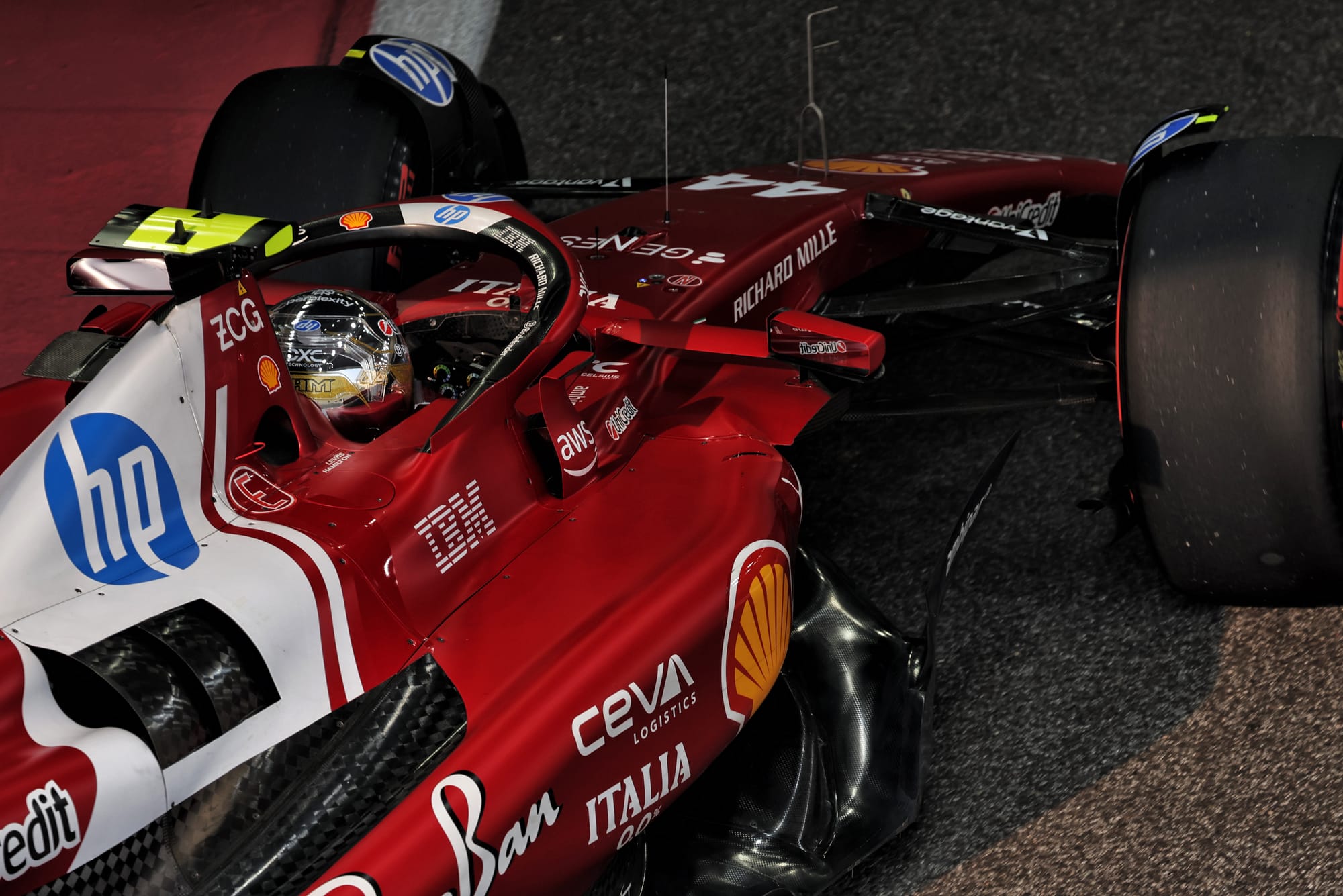
The first season of a brand-new Formula 1 era brings with it some uncomfortable questions for many drivers and teams.
We've picked out nine awkward ones that may need to be answered across the 24 races.
Can Hamilton salvage his Ferrari move?
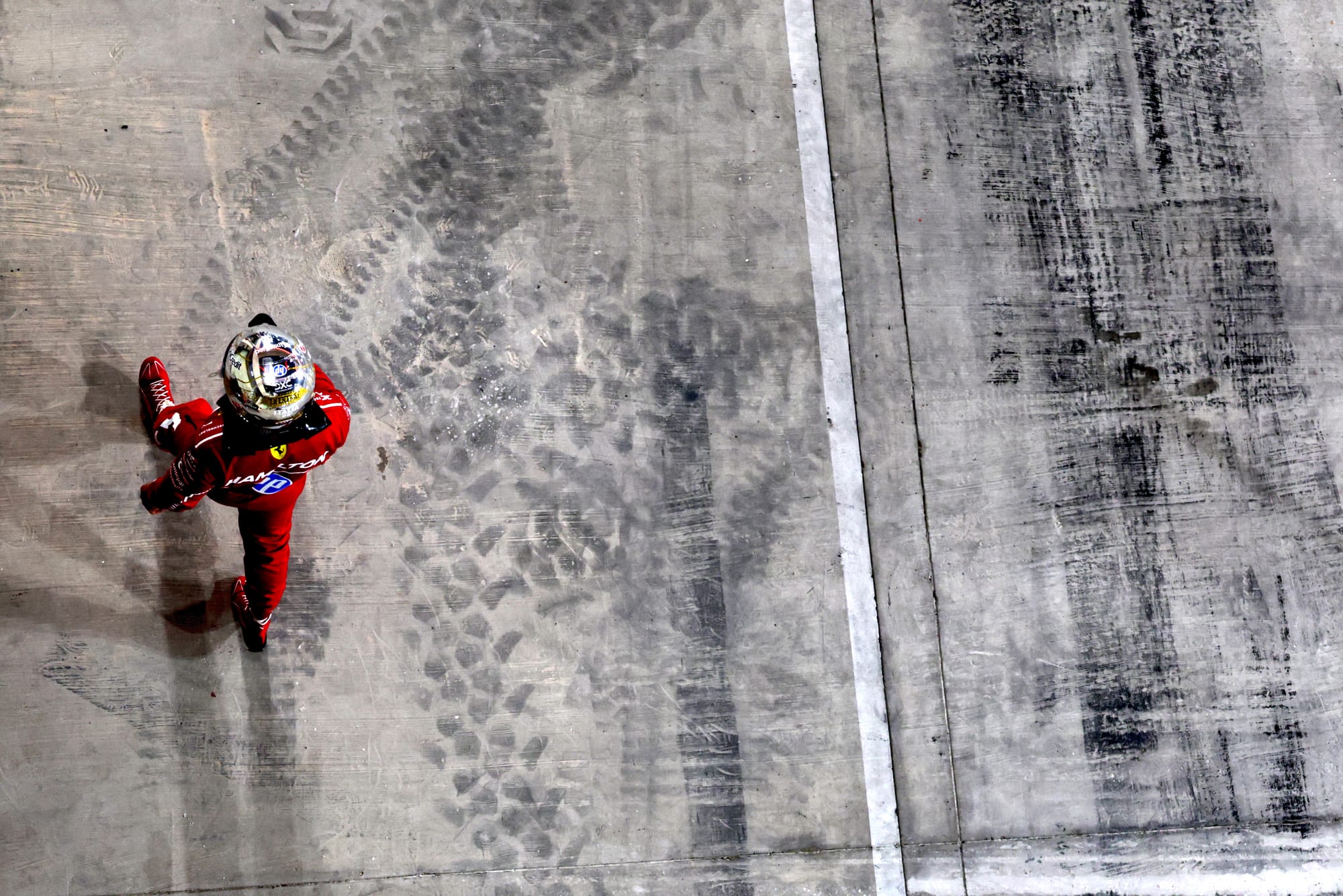
The reckless hype surrounding Lewis Hamilton's blockbuster arrival to Ferrari smashed into a million pieces upon impact against the reality of his and Ferrari's dreadful 2025.
The arrow of time only points in one direction - at least at the level of F1 competition - and usually you wouldn't have much reason for optimism for a 41-year-old driver in this phase of their career, even one as great as Hamilton, reversing the trend now on display against two young guns across two teams.
But a monumental rules reset is one such reason, and the possibility that Hamilton's 2022-25 struggles were more related to ruleset than age cannot be discarded - for it certainly hasn't been meaningfully tested.
Another change has been made this past week too, with Riccardo Adami moved away from being Hamilton's race engineer - a partnership that never seemed to click.
Mark Hughes: Ferrari is resisting the Hamilton-led change it needs
How much Hamilton needs to close the gap to team-mate Charles Leclerc is a difficult question. Regardless of what level Ferrari is at, a 50:50 or even 40:60 competitive split in Leclerc's favour would probably do the trick to convince everyone there's value in Hamilton pushing on. And, of course, jumping ahead of him is job done.
But there's also the plausible outcome wherein Hamilton - who really wasn't that far off Leclerc last year - has a 'Sebastian Vettel 2020' second year against Leclerc, and then it's plainly game over.
Can Red Bull hold onto Verstappen?
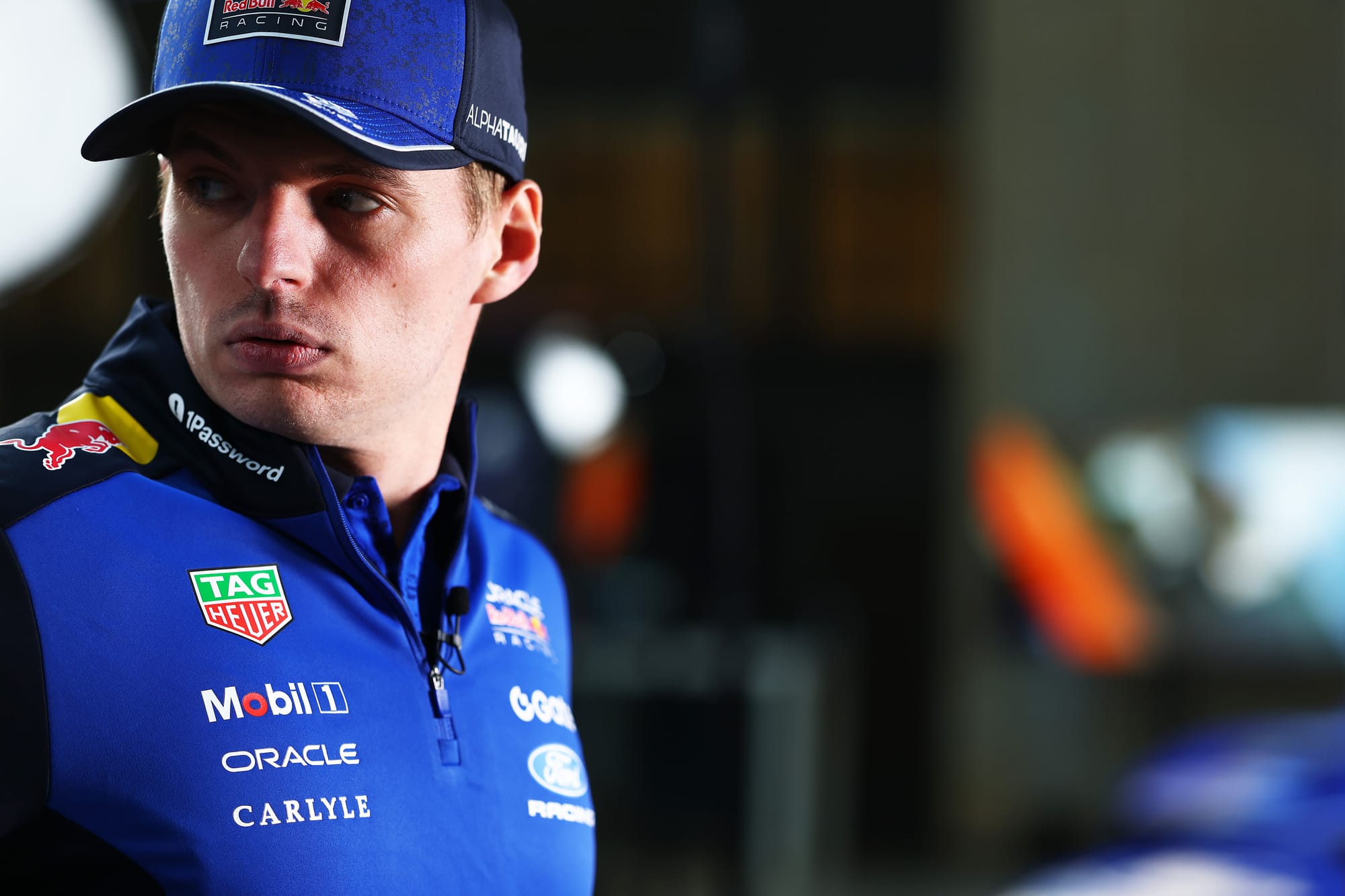
Max Verstappen's Red Bull future was a big topic through much of 2025 and while the team did more than enough for him to stay put for 2026, it faces a whole new battle this year.
By team boss Laurent Mekies' own admission, Red Bull building its own F1 engine for the very first time is a "crazy call" and it expects months of struggles at the start of the season.
The fact that it's one of two power unit manufacturers that has seemingly found the compression-ratio loophole is at least promising.
But it's still a mammoth task to produce an overall product that will be anywhere near established engine manufacturers such as Mercedes and Ferrari.
And it's designed its 2026 car without the input of technical genius Adrian Newey, one of many key exits over the last 24 months.
Many of those exits are on Verstappen's side of the garage, too, such as Audi-bound chief mechanic Matt Caller, performance engineer Tom Hart, control engineer Michael Manning and engine engineer David Mart.
Plus Red Bull advisor Helmut Marko and Red Bull's head of race strategy Will Courtenay, who has been able to join McLaren early, are gone too.
Verstappen is at least keeping race engineer Gianpiero Lambiase for 2026 but, if Red Bull doesn't figure towards the sharp end of the pecking order, it's not going to take long for the rivals who did get the rules right to start making bids for the four-time world champion for 2027.
After all, it is understood that Red Bull needs Verstappen to be within the top two in the drivers' championship by the summer break, or he has an exit clause to leave before his contract ends in 2028.
Will Aston Martin's superteam start delivering?
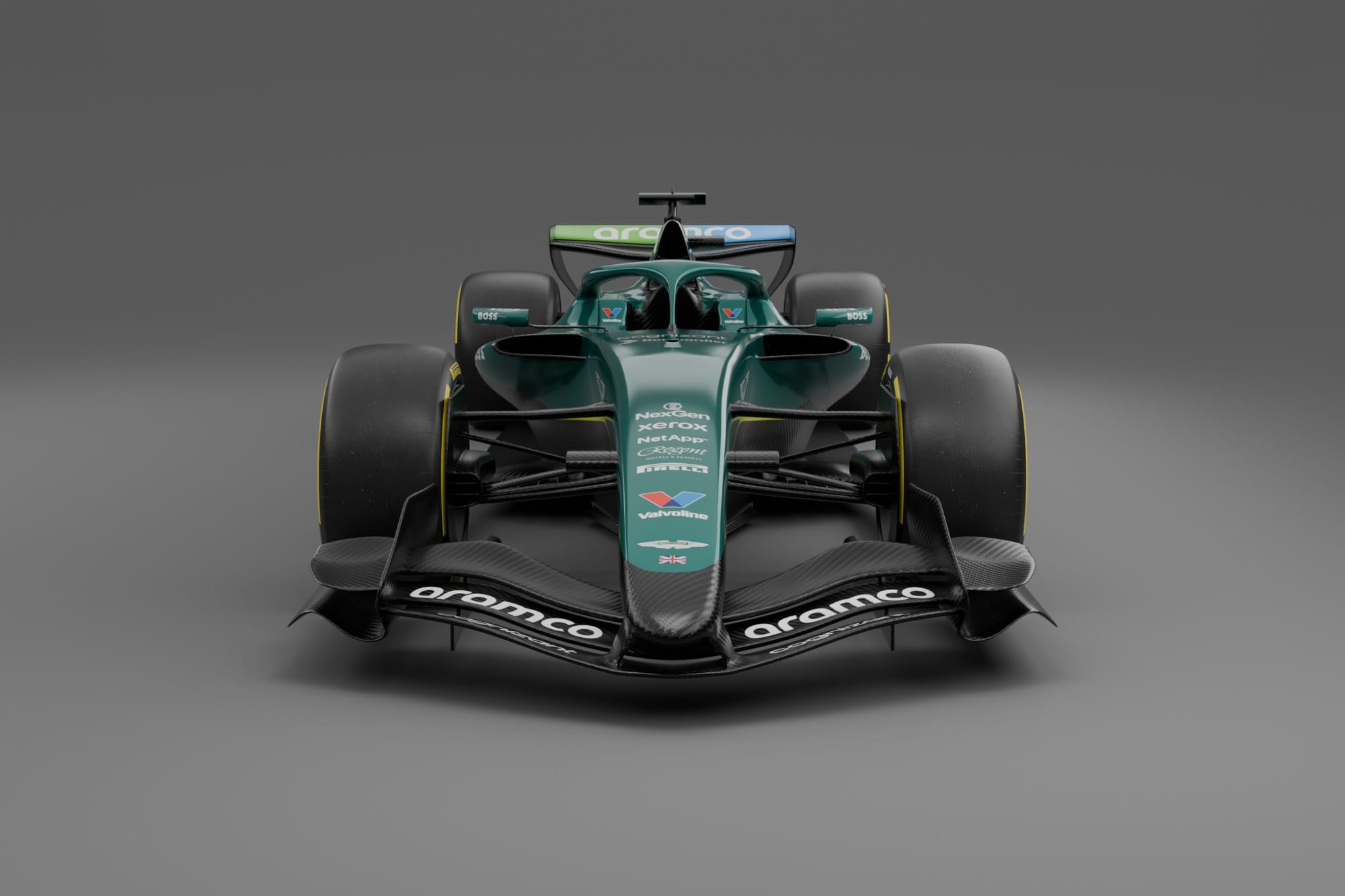
Aston Martin appears to have all the pieces in place to make a vast improvement on where it was in the ground effect era, which it ended with two consecutive seasons without a podium as it drifted in the middle of the midfield.
But more than just a step in the midfield is expected from Aston Martin, given its works Honda engine deal, Newey's genius, other key hirings such as Enrico Cardile, and a car designed in its new state-of-the-art windtunnel that opened in March last year.
Owner Lawrence Stroll has invested enormous sums of money and resources into making this potential superteam work and, if the results don't show in 2026, then some uncomfortable questions will have to be asked - not least by Stroll himself.
There are some worrying early signs that Honda might be starting on the back foot too, with reports that its battery technology is behind, and it's not one of the two manufacturers to find the compression ratio trick - so it's likely to have a disadvantage there.
All those elements could still combine into something truly special - something good enough to even lure Verstappen - but it's going to take a big effort to get everything working well together.
Will Antonelli create problems for Russell?
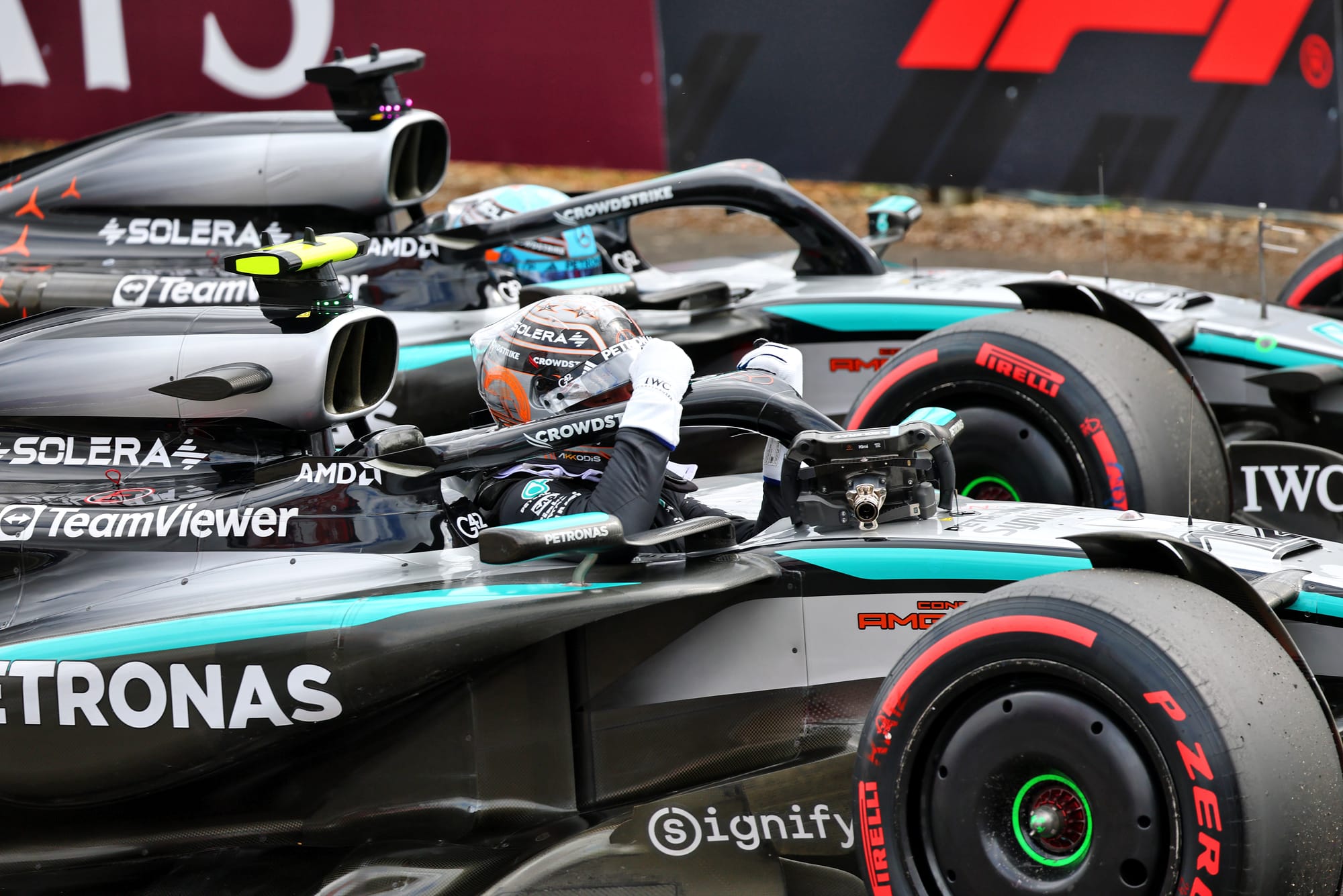
If Mercedes starts the season at the baseline of performance most expect it to have in 2026, this is a question with championship ramifications. If Mercedes is in a 2014-like position, it's the only question that matters.
George Russell had Kimi Antonelli well-covered through the vast majority of the 2025 campaign - as was to be expected from the match-up between one of F1's sharpest operators and the rawest, youngest driver on the grid.
There were weekends where Antonelli gave Russell serious trouble - Miami, Baku, most notably Interlagos - but in the massive schedule they were the exception rather than the norm.
But they were also evidence of Antonelli's exceptional theoretical peak, and his improvement should still be taking place at an increased rate. Don't forget - this is only the fifth year of the 19-year-old's single-seater career.
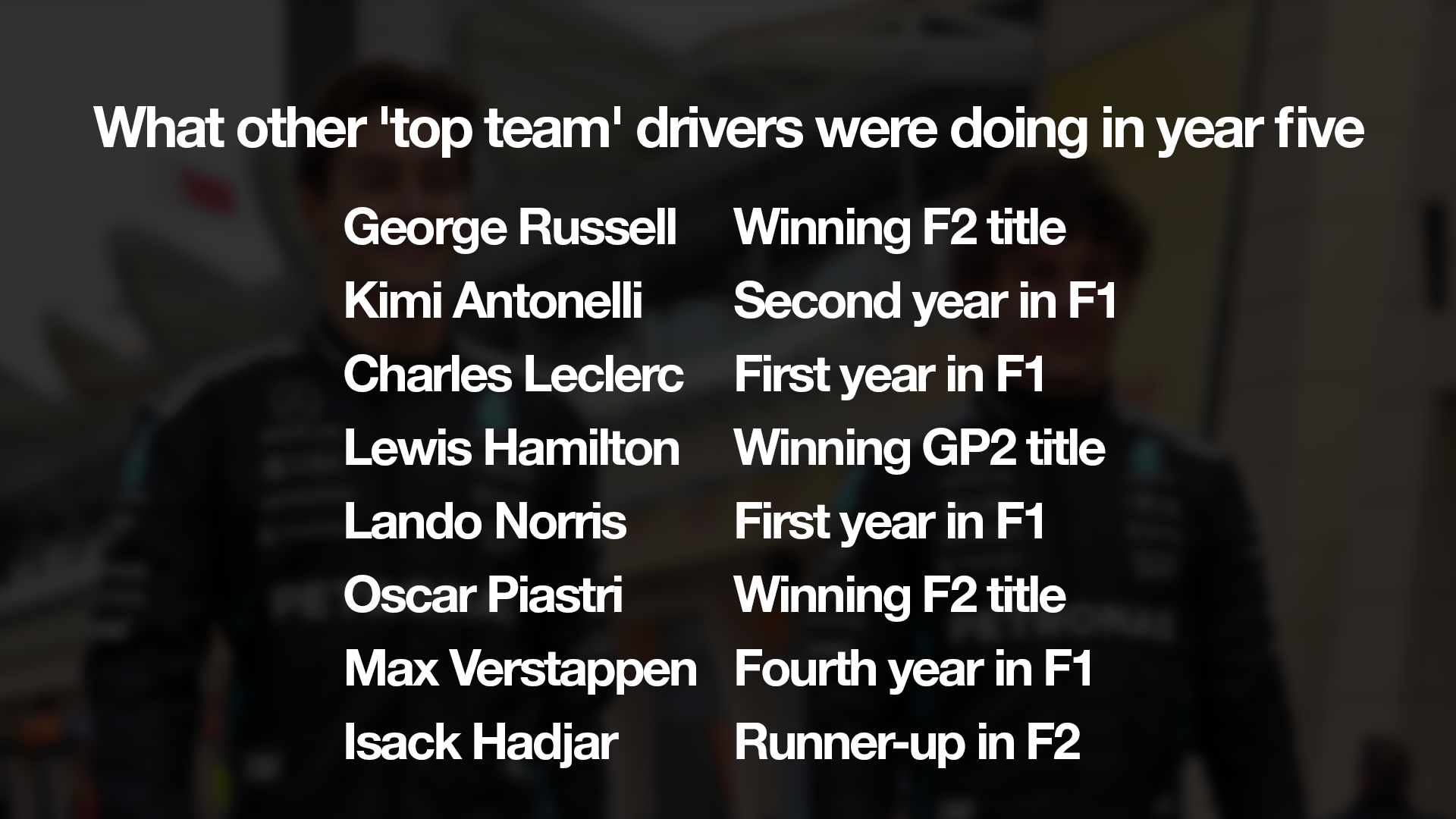
The Russell gap feels a little too big to be closed in one season, but these things can sometimes happen much quicker than expected. One way or another, it should have tremendous significance for the shape the 2026 season takes.
And, of course, the significance for both drivers is monumental even beyond 2026-only aspirations.
Another year like 2025 firmly cements Russell in F1's elite. Another year like 2025 is definitely not enough for Antonelli - who would do well to escape the status of being regarded as a 'longer-term prospect' given the Mercedes seat is always likely to garner massive short-term attention.
Is Cadillac ready to be F1's slowest team?
It's near-impossible to predict the 2026 pecking order right now, but most would agree Cadillac will probably be at the back of the grid.
Turning up to Melbourne with a reliable car that isn't anywhere near falling short of the 107% bar in qualifying would be a perfectly fine achievement, given it started from zero and only received the final green light to join F1 in March last year.
But you have to wonder, given a huge American manufacturer like General Motors is involved and, while new to F1, is very used to winning in motorsport, does it have the patience to keep being slowest week-in, week-out?
It faces double Q1 exits and little hope of points outside of a freak result in a chaotic race of attrition.
The race team itself feels well prepared for that with team boss Graeme Lowdon's six seasons of F1 experience with the backmarker Virgin/Marussia/Manor F1 team, plus engineer consultant Pat Symonds, who filled a similar role for that squad across 2011-13.
"We've all been around the block enough to know that Formula 1 is incredibly difficult, so you will not see this team over-promising in any way," Lowdon said last year.
But are those higher up the chain ready for that? We'll find out as 2026 progresses, as Sergio Perez and Valtteri Bottas likely battle to stay off the back row of the grid.
What if Red Bull's second-driver curse doesn't end?
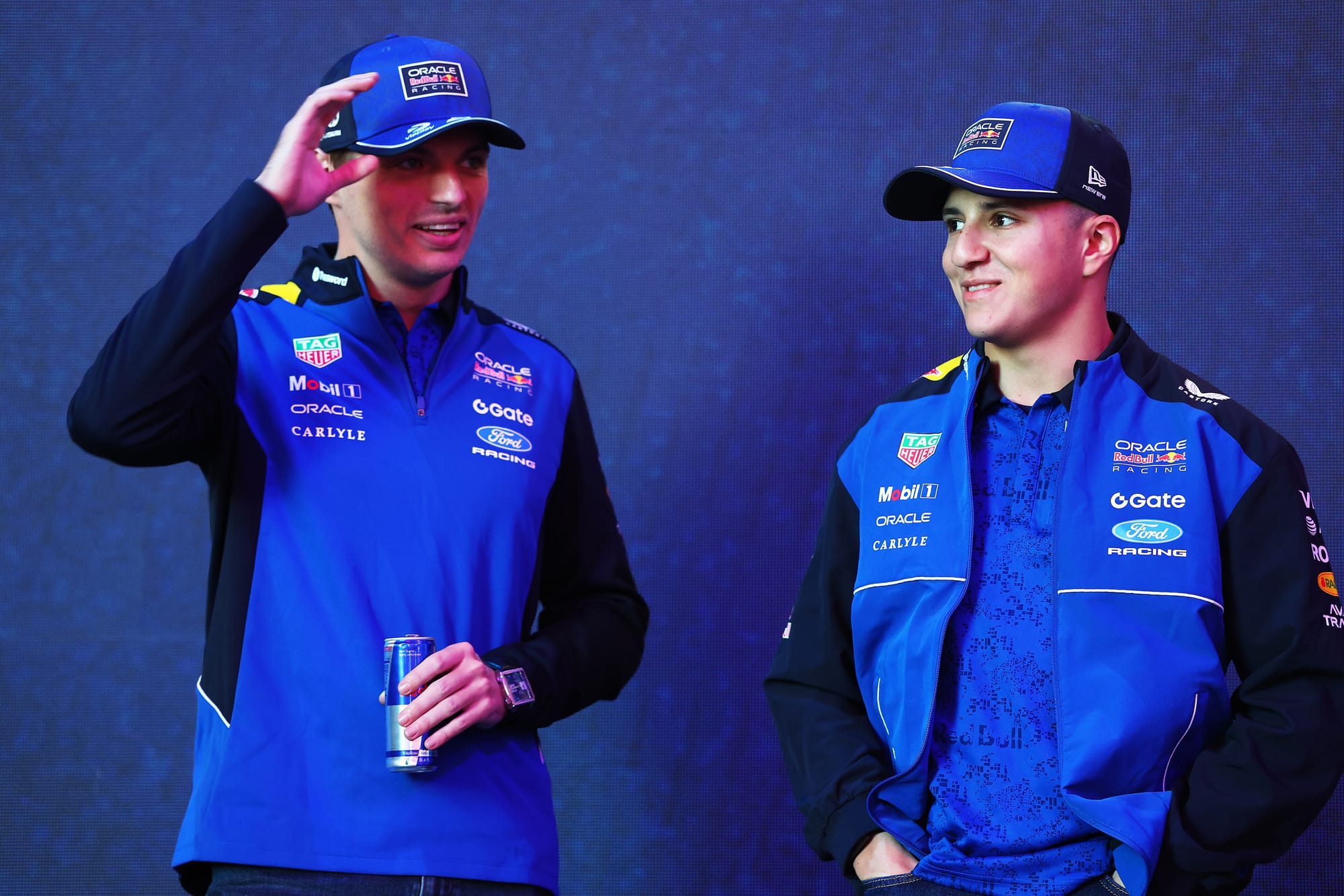
The 2026 rules reset will make switching to Red Bull Racing "way easier", or at least that was Isack Hadjar's supposition in September last year.
The theory is that the unique traits of the Red Bull that only Verstappen has been able to drive around consistently for much of the ground effect era will be eliminated by a brand-new set of regulations.
After all, Red Bull's second car was the only missing link from its overarching resurgence in late-2025.
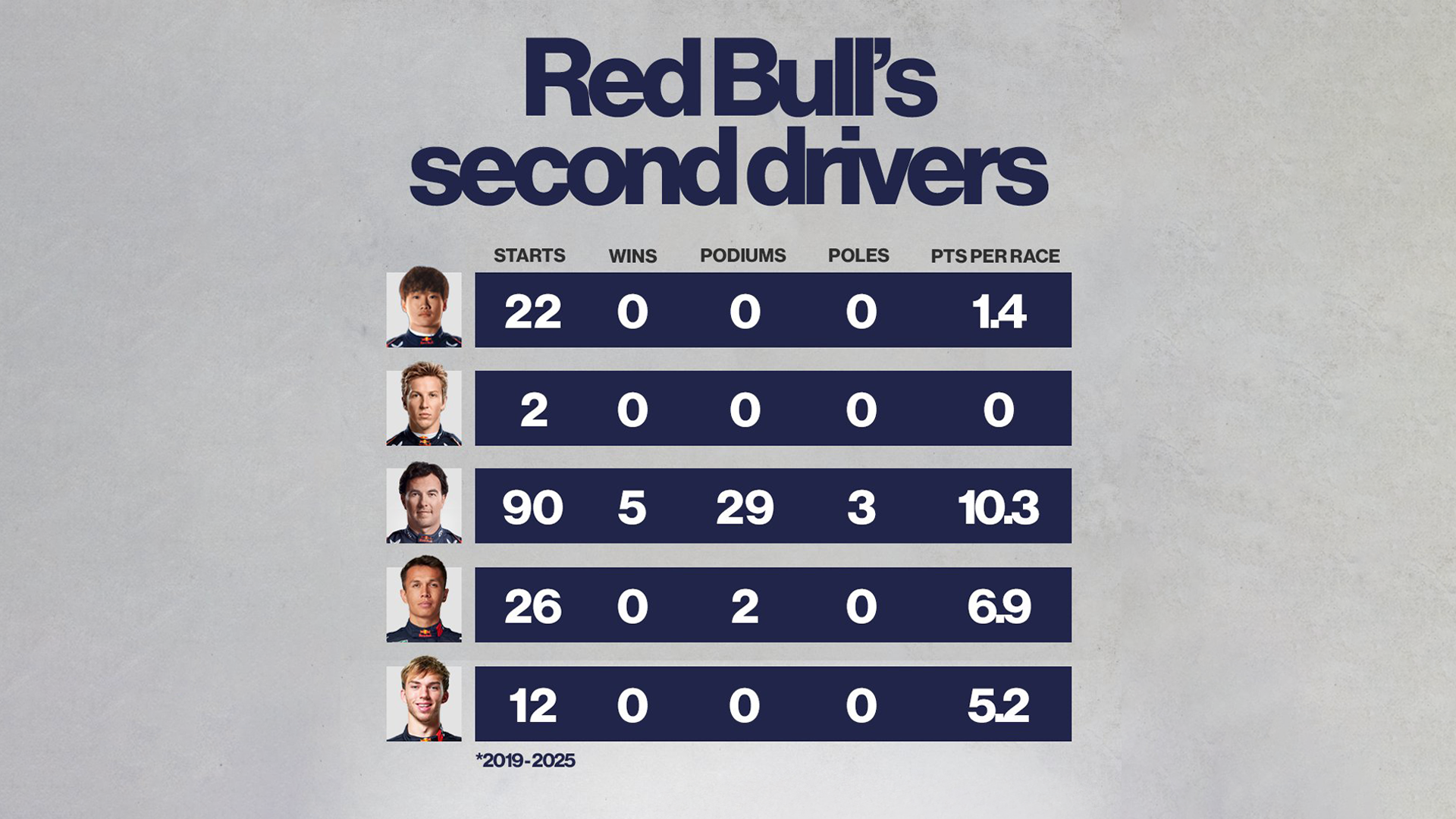
Yuki Tsunoda averaged a meagre 1.4 points per race weekend at Red Bull in 2025, so it's difficult to imagine Hadjar will do worse than that, even if Red Bull isn't at the front of the field.
And Hadjar seems like the best-prepared driver to step up for quite some time. He was a convincing and obvious choice for Red Bull, whereas the calls to promote Liam Lawson and Tsunoda to Red Bull Racing felt more like a 'well, can't be any worse than the last guy' kind of decision, as opposed to 'we believe in this driver'.
But what if Hadjar fails and continues the trend of late-2024 Perez/Lawson/Tsunoda?
That would surely point to some fundamental flaw in the way Red Bull operates the second car. The development path rightly follows the lead driver (Verstappen), but why, unlike the majority of the teams, does that development produce car characteristics that the second driver can't cope with?
Getting its first engine right and keeping Verstappen go hand-in-hand as the top priority for Red Bull in 2026.
But if Hadjar can kick on and the 2026 rules do act as a reset for Red Bull's car characteristics, then it has a chance to finally shed an overstayed second driver problem.
What does F1 do if 2026 doesn't deliver?
The popularity of F1 is in a completely different place than it was the last time there were significant chassis and engine regulation changes back in 2014.
Now that it has a much bigger fanbase, it needs its shiny new product to deliver in order to keep those fans entertained and continue to attract more.
The question will be, will the very different style of racing produced by the new cars do that?
There have been concerns about the cars being energy-starved because of the compromises in the engine formula to help these cars deliver peak horsepower in excess of 1000bhp. Hence ex-F1 chief technical officer turned Cadillac advisor Symonds believing F1's 2026 rules have produced a "camel" - what a horse looks like when it's designed by a committee, as the saying goes.
There is a risk of races requiring drivers to do economy runs, focusing on saving energy rather than racing flat-out.
If so, will the FIA and F1 move to tweak things? And, perhaps more importantly, will they be able to?
Changes for the 2022-25 regulations were blocked by teams previously and, unless the new rules section recently revealed by The Race gives the FIA more flexibility to make changes, there's no guarantee it will be able to fix things in-season.
After all, if it does require support from the manufacturers, why would those at the top of the pecking order in early 2026 agree to anything that could threaten to take away the advantage they've worked so hard for?
Can Audi succeed under rules it asked for?
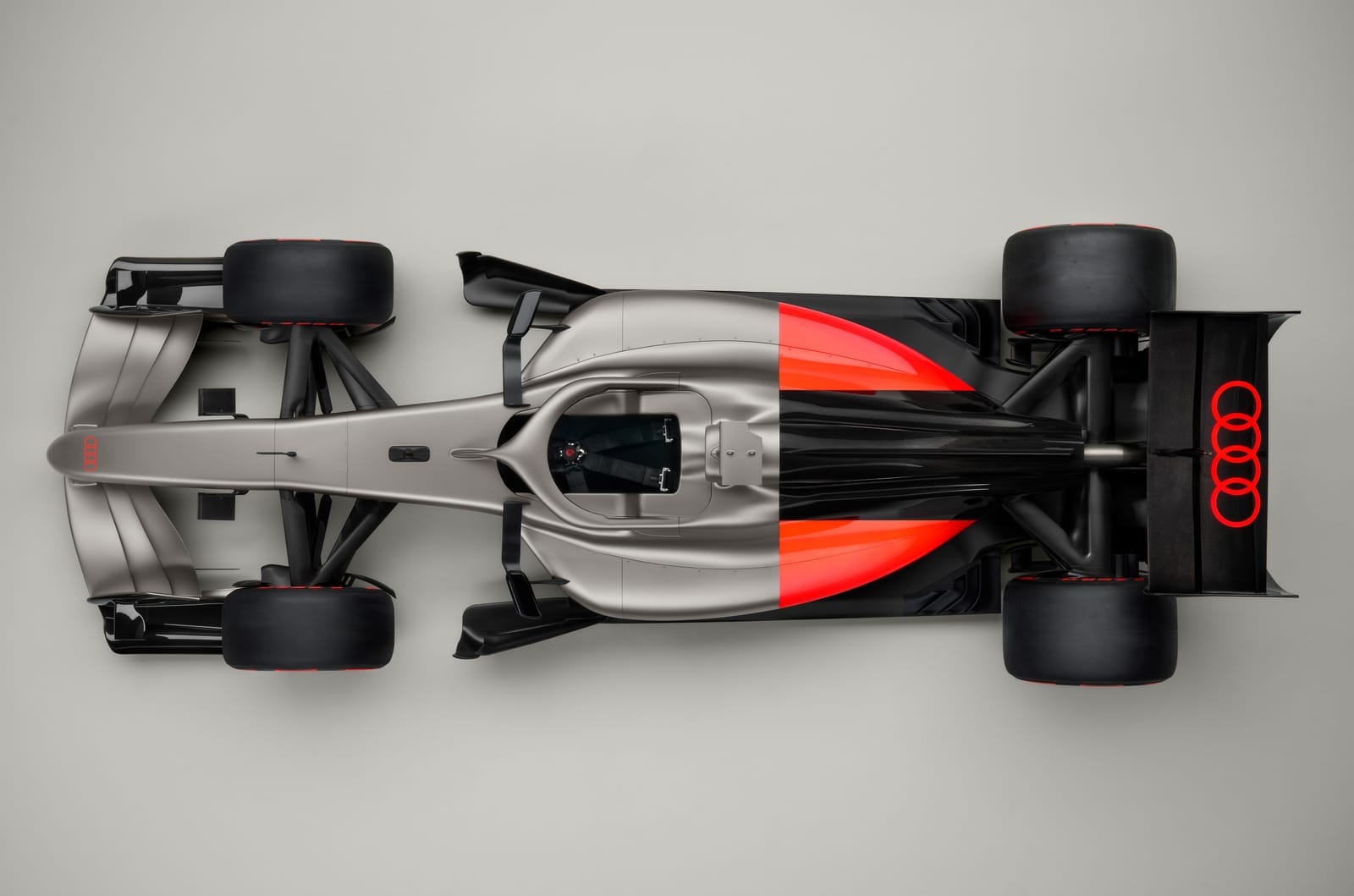
Much of F1’s thinking with its 2026 rules was attracting manufacturers to join and it achieved that with Audi’s new team.
But now F1 has given Audi what it wants, with its increased electrification of its engine formula, can Audi deliver something competitive?
It’s got some tough competition, given Mercedes and Ferrari’s experience, Honda’s world championship success with Red Bull, and the aggressive recruitment drive and investment behind Red Bull’s new power unit division.
Audi is keeping expectations modest initially but in a similar breath it does want to be a title contender by 2030.
On the chassis side, it did make encouraging steps in its final year as Sauber, but ultimately being near the foot of the standings is not where Audi will want to be for very long.
Based on Audi’s track record elsewhere you’d argue expecting quick progress isn’t delusional - but prior success in other motorsport is never a guarantee of success in F1. Just look at Toyota. Eight seasons. No wins.
Audi has to expect better from a ruleset that was designed to lure it.
What if Alpine's sacrifices don't pay off?
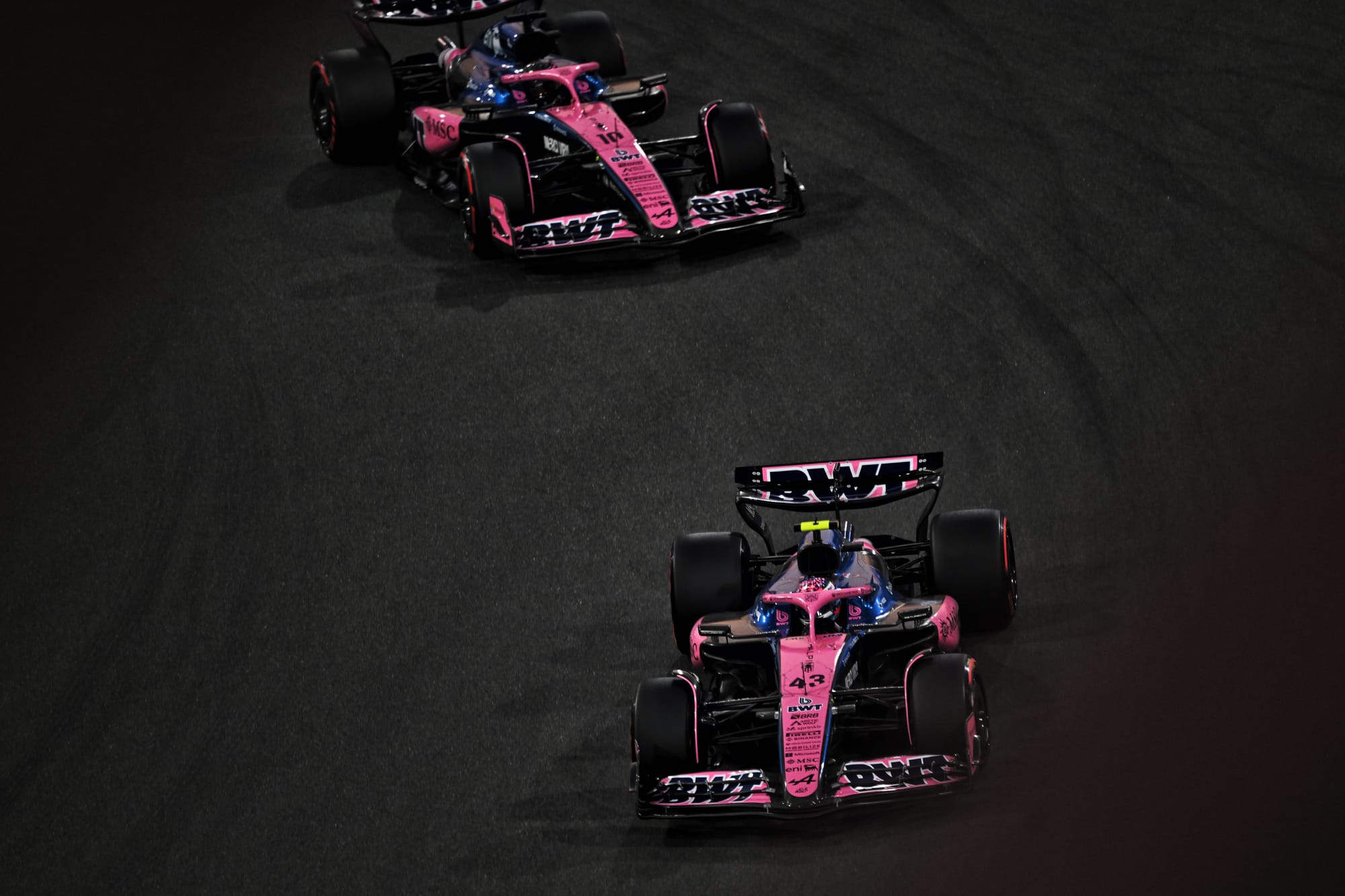
Alpine was one of the first teams to switch off its 2025 car development in favour of 2026, when it hopes a customer Mercedes power unit will be part of its surge back up the field.
Having scrapped Renault's F1 engine division, Flavio Briatore told The Race he wants the team to aim for the top six on the grid in 2026, but such a leap from a clear last in 2025 seems ambitious.
Betting on Mercedes to produce a solid power unit for a new rules cycle versus the factory Renault engine programme that lagged behind its rivals for well over a decade, is a pragmatic move, however.
And one thing in its favour that it's easy to forget is, during the last aero regulation change, Alpine did come out of the blocks with the fourth-fastest car - and while a lot of the tech leaders behind that have left, its new technical director David Sanchez did lead the development of the 2022 Ferrari that started F1's ground effect era on top (for a short while).
But if Alpine doesn't progress as expected and continues to languish near the back of the grid - no longer with an inefficient Renault engine to blame - then what happens?
Yet another management reshuffle and another new start? And will that make Renault think enough is enough with its F1 race team as well as its engine programme?
Will other 2025 underperformers survive?
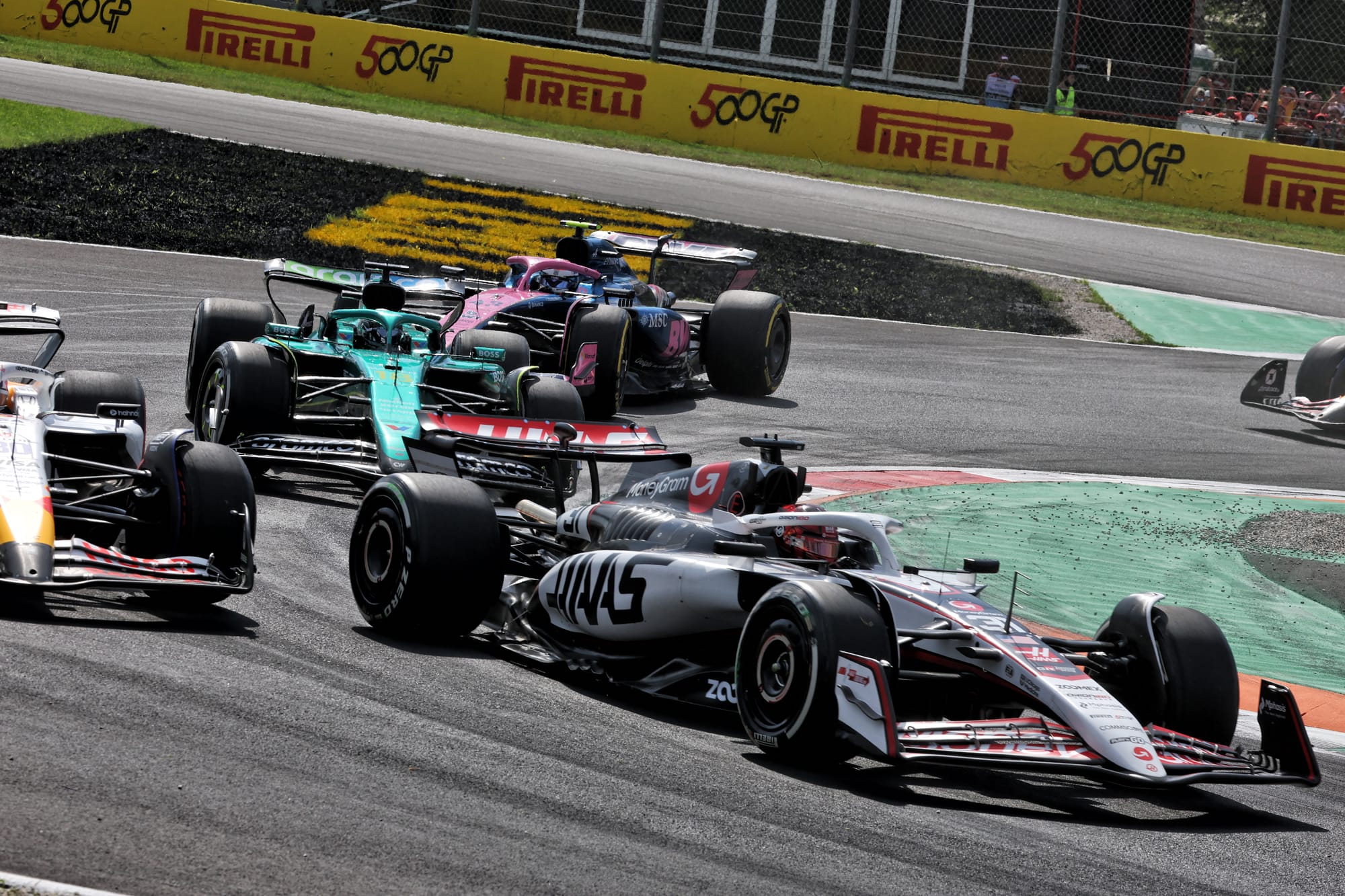
Hamilton is understandably the most high-profile, but he wasn't the only 2025 underachiever who needs a big 2026 to save their F1 career.
Keeping Lance Stroll out of the equation, considering the security of his Aston Martin seat, you can make the argument that Esteban Ocon is in the same last-chance saloon at Haas.
His rookie team-mate Ollie Bearman comprehensively outperformed him in the second half of the year in particular and, if that continues, that will keep Bearman on a trajectory to Ferrari, but be bad news for Ocon.
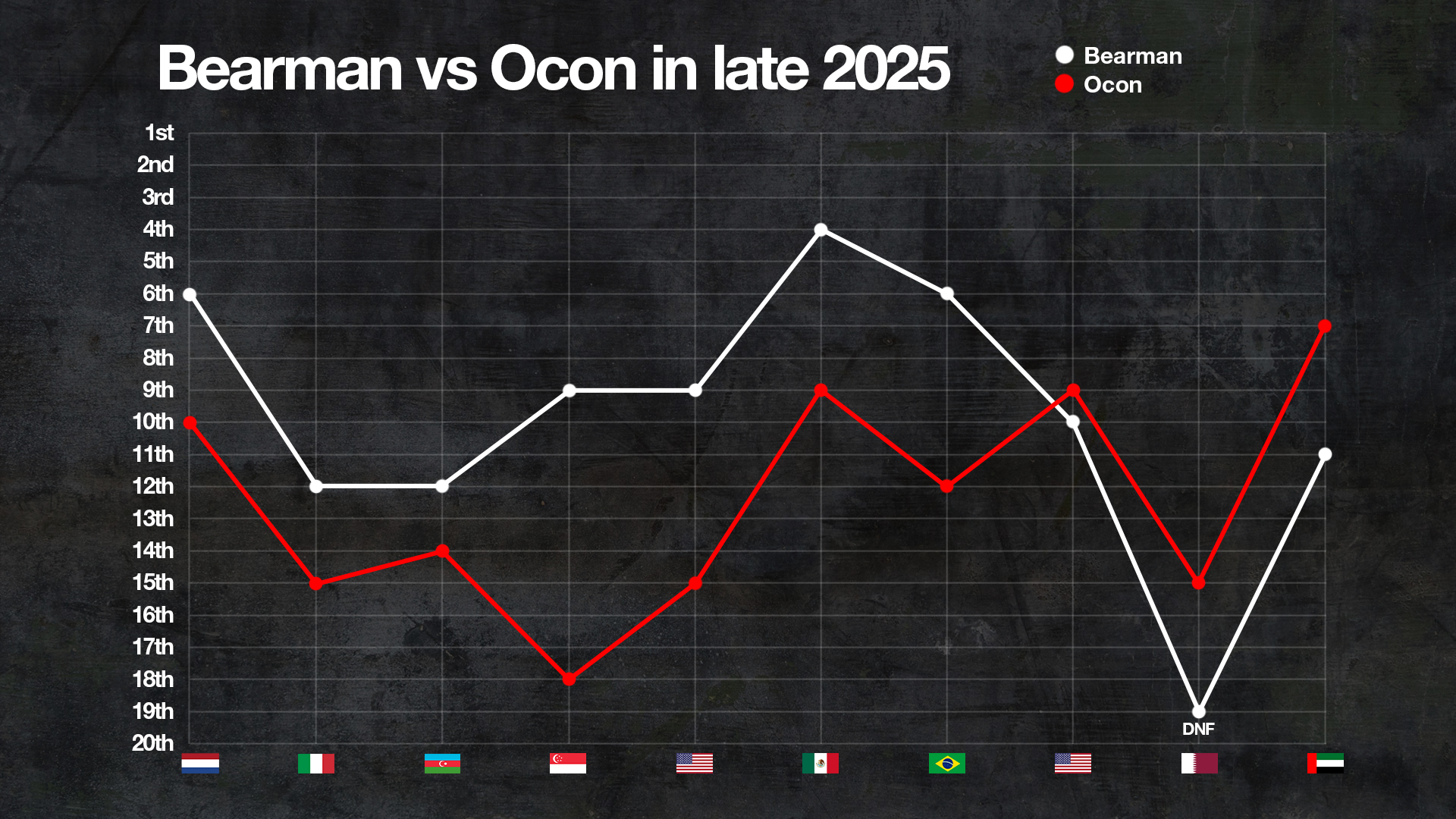
Ocon struggled with braking issues for much of 2025, but those were most often down to his limitations or preferences.
Things seemed to click for the Abu Dhabi season finale where he produced one of his strongest weekends of the year, but it remains to be seen whether he can build on that breakthrough in 2026.
The one-time race winner is still only 29, but he risks being overtaken by F1's next generation if Bearman continues to be Haas's spearhead.
Another at-risk driver is Franco Colapinto, who turned around a tricky start to life at Alpine after replacing Jack Doohan to save his seat for 2026.
But what will be worrying for Colapinto is the manner in which he finished 2025 with a run of poor weekends at the end of a season that was ultimately point-less.
Whether a potentially improved Alpine will change things and return Colapinto to his early-Williams level remains to be seen. Otherwise, another Alpine driver change might not be far around the corner.
Lawson may also be facing a race against the clock to save his F1 future, once Red Bull has its next F1 protege.
Fighting back into Red Bull Racing seems near-impossible (it wasn't even possible for a high-flying, rebounded Pierre Gasly), so it's all about impressing other teams enough that when Red Bull decides it doesn't need a benchmark in its second team anymore, Lawson is able to find a seat elsewhere.
A strong 2026 that has more of the impressive 2025 peaks and fewer of the frustrating, scrappy weekends, would go a long way to doing that.
But if rookie Arvid Lindblad beats him like Hadjar did, then it's hard to see a medium- or long-term future on the grid for Lawson.