Seven things to watch in the 2026 Daytona 24 Hours
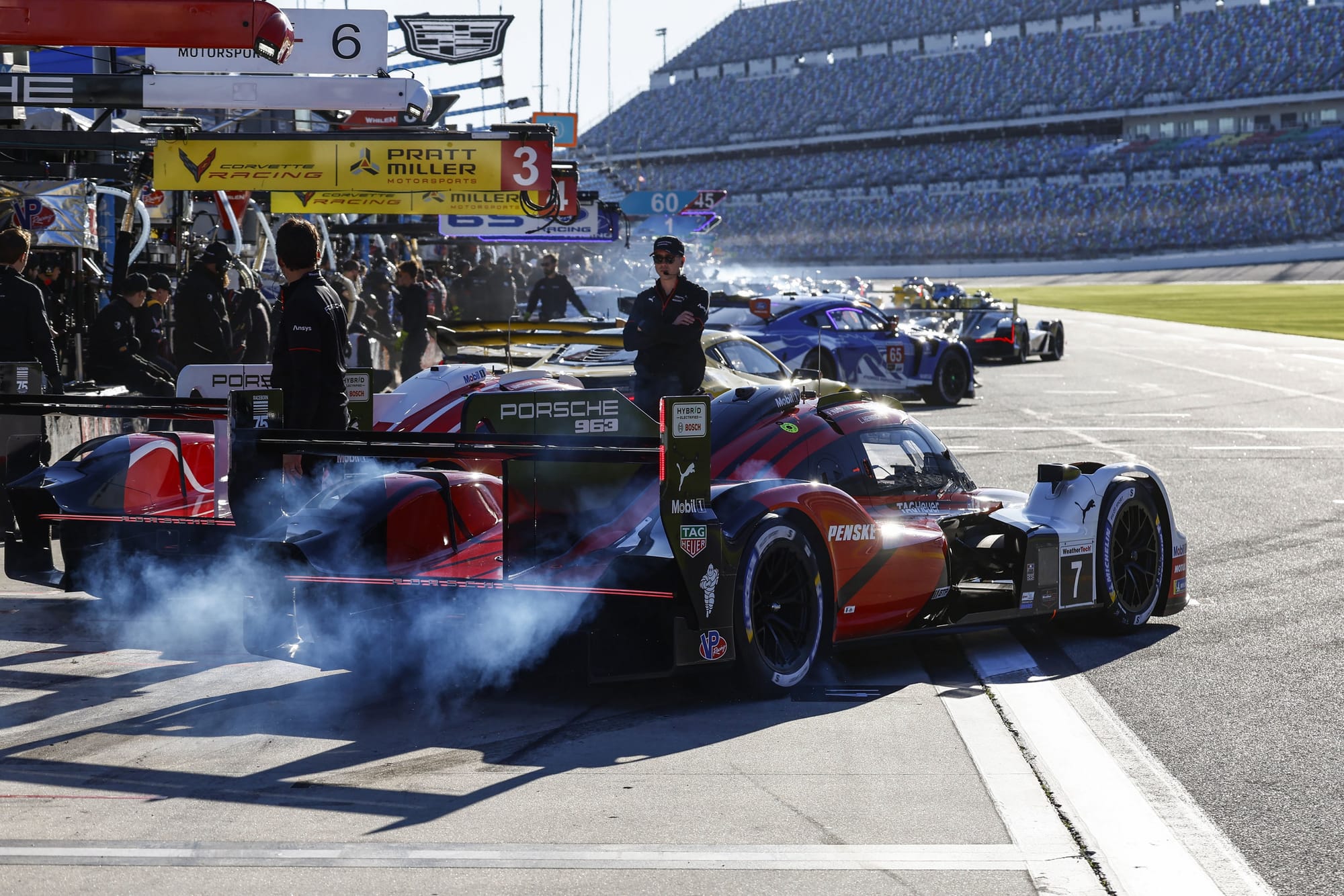
This weekend, the 64th running of the Daytona 24 Hours launches the 2026 IMSA SportsCar Championship season. It is shaping up to be a fascinating race on several fronts, with major technical developments, star drivers and even a brand-new tyre for the top class.
Although the green flag will fly on Saturday at 1:40pm local time, competitors have already been hard at work since last Friday during the traditional ‘Roar Before the 24’ test.
Will the Roar form be confirmed?
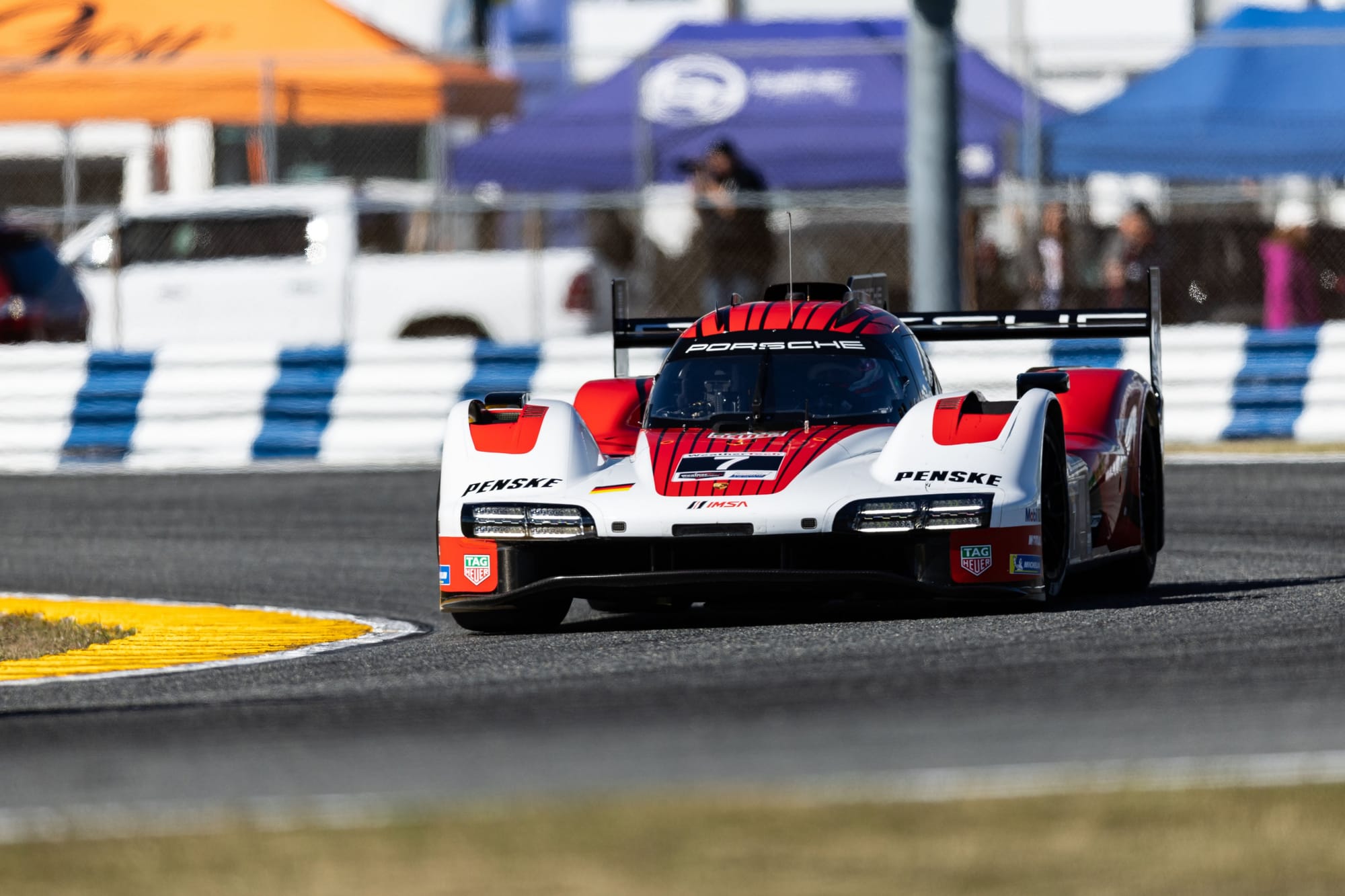
First, a brief reminder of what the Roar Before the 24 actually is. It is a collective test designed to get everyone up to speed, broadly comparable to the Le Mans 24 Hours test day.
The key difference is that the Roar runs over three days – from Friday to Sunday the week before the race – and features seven on-track sessions, some of them held at night.
In the past, Roar results could determine pitlane allocation, and qualifying races or standalone qualifying sessions were occasionally organised to add some competitive interest. That is no longer the case. Today, the Roar consists purely of free practice sessions with no official sporting significance. Qualifying itself will take place on Thursday.
At the end of the Roar, the three fastest outright times were set by Porsche 963s, with BMW and Cadillac less than half a second behind. Acura and Aston Martin, meanwhile, were 0.9s and 1.2s off the pace respectively.
That is far from alarming for those two manufacturers. Last year, for example, laptimes dropped by almost a second as soon as the first official practice session began, a clear sign that nobody is showing their true potential during the Roar – likely in part through fear of attracting an unfavourable Balance of Performance adjustment.
Sargeant debuts
Traditionally held in late January, the Daytona 24 Hours benefits from a relatively quiet global motorsport calendar, allowing the event to attract high-profile names.
Fernando Alonso made his Daytona debut in 2018, just before starting what would be his final Formula 1 season with McLaren. That year, he shared a car with a young Lando Norris, who would go on to finish runner-up in Formula 2 a few months later and then quickly graduate to F1.
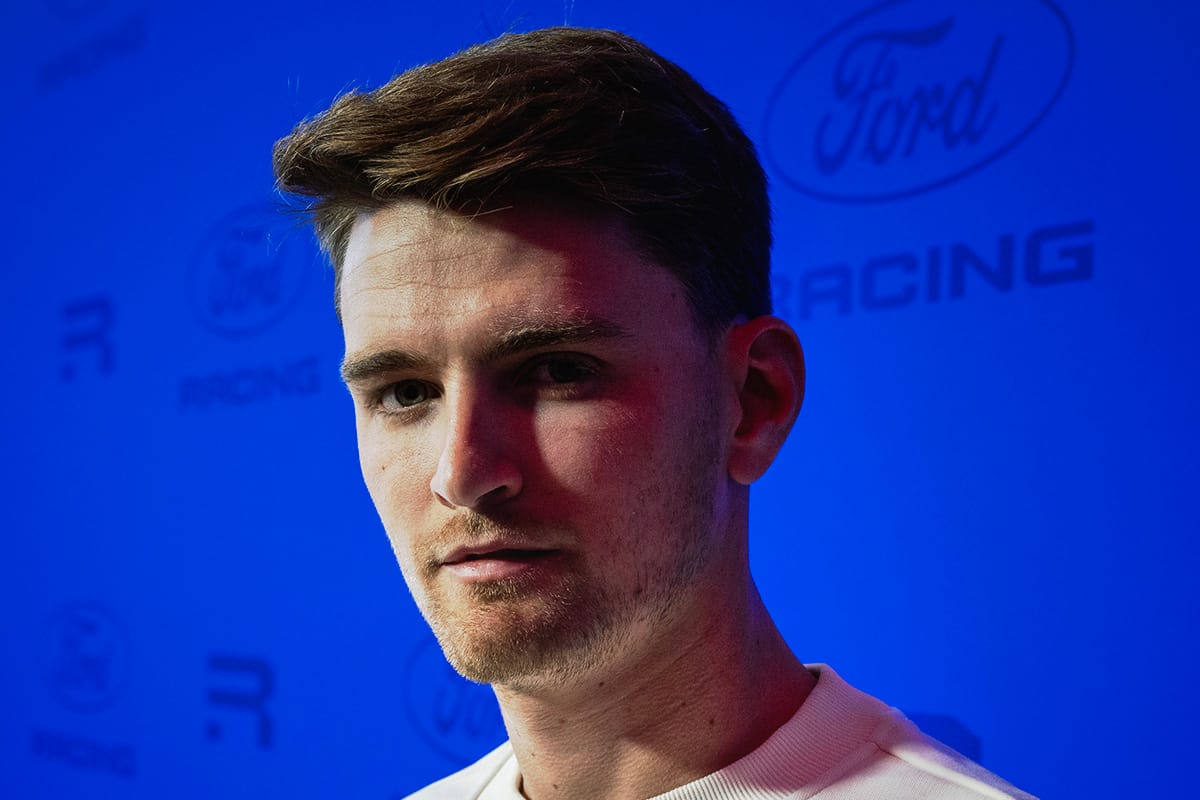
This year’s entry list features no fewer than 10 drivers who have contested at least one F1 grand prix. Among them is just one Daytona debutant: Logan Sargeant.
The 25-year-old American impressed last year in the final two IMSA rounds in LMP2, marking a strong return to competition more than a year after losing his Williams F1 seat. Recently announced as part of Ford’s Hypercar programme, Sargeant will be under close scrutiny.
He is entered in the #18 Era Motorsport ORECA 07, the reigning LMP2-winning team, alongside gentleman driver Naveen Rao, Alpine World Endurance Championship driver Ferdinand Habsburg and IndyCar racer Jacob Abel.
On paper, the task looks daunting. But if the car is still in the lead group at the final green flag and Sargeant happens to be at the wheel, a surprise result cannot be ruled out.
Zilisch steps up to GTP
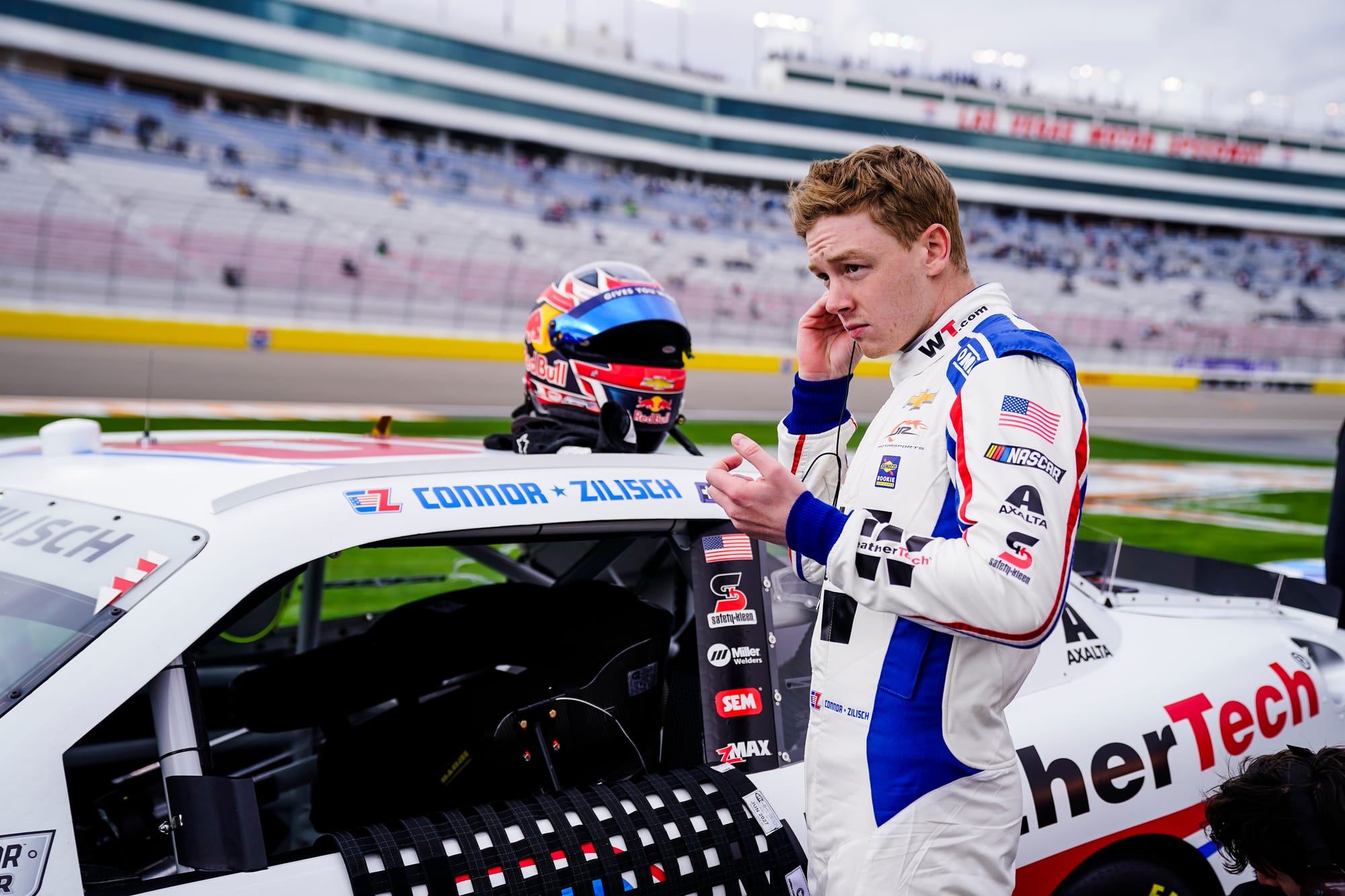
The most eagerly awaited driver of this year’s race may well be Connor Zilisch. The 19-year-old American, backed by Red Bull, continues to generate headlines wherever he goes.
Last year, he finished second in the NASCAR Xfinity Series – NASCAR’s second tier – under its winner-take-all final race format. But he was widely regarded as the season's standout driver by far (with the most top-10s and top-fives and six more wins than any of his rivals), and the pushback to his defeat in a title contest most agreed should never have logically come down to a last-race decider was one of the final blows to a playoff format NASCAR has now moved away from for 2026.
Zilisch’s talent is undeniable. He has already competed twice at Daytona. In 2024, aged just 17, he was part of the LMP2-winning line-up. Last year, driving a privately-entered Corvette in GTD Pro for his NASCAR team Trackhouse Racing, he matched – and at times outperformed – his illustrious team-mates Shane van Gisbergen and Scott McLaughlin.
In 2026, he steps up to the top GTP class for the first time, driving the #31 Action Express Racing Cadillac V-Series.R, a car that won the final two races of the 2025 season.
His team-mates are former Williams F1 driver Jack Aitken, Mercedes F1 reserve Fred Vesti and two-time Le Mans 24 Hours winner Earl Bamber. With that line-up, expectations are understandably high.
BMW's team gambit
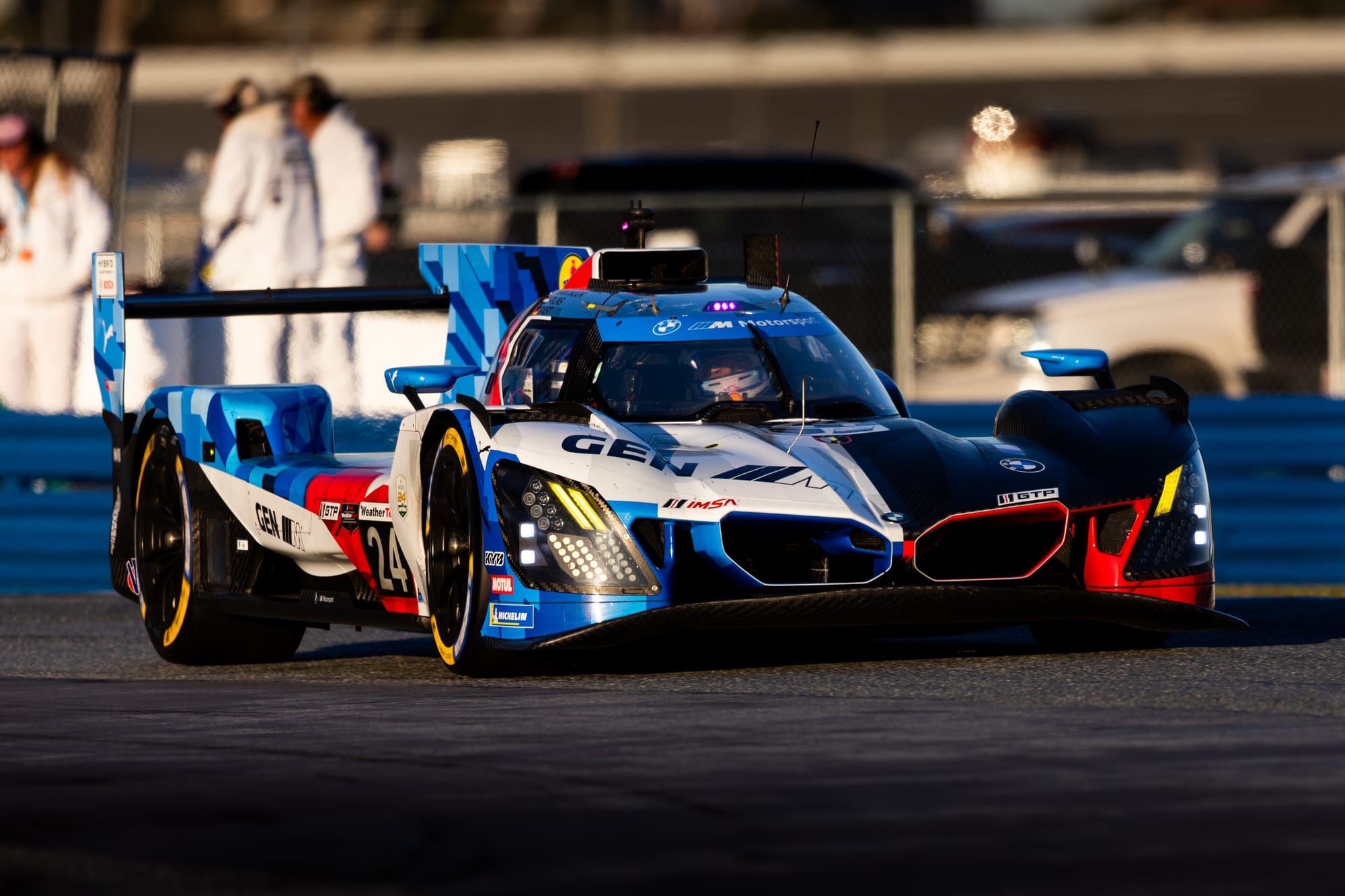
One of the biggest stories in GTP is BMW’s operational shake-up. Since 2023, the IMSA programme for the M Hybrid V8 had been run by Team RLL, but BMW has now opted for a change of direction.
As in the WEC, BMW has placed its trust in Team WRT. It is a bold move: while the Belgian squad’s credentials are well established, its experience of American endurance racing is relatively limited.
Last year at Daytona, the BMW M Hybrid V8 was the outright fastest car, yet failed to convert that pace into a victory. The question now is whether WRT can provide the missing ingredient that finally turns speed into a major victory for BMW’s LMDh contender.
It is long overdue - BMW’s sole overall victory at the Daytona 24 Hours still dates back to 1976.
Evolution everywhere
Cadillac and BMW – and to a lesser extent Porsche and Acura – have all introduced updates over the winter, using one or more of the five Evo Jokers permitted by the regulations between 2021 and 2027.
Porsche has refined the aerodynamics of its car, with drivers already reporting benefits, although Daytona is not the most revealing circuit for such changes. Acura, meanwhile, has focused primarily on ensuring the ARX-06 sits neatly within the performance window defined by the regulations, with updates that are deliberately subtle.
BMW and especially Cadillac have gone much further, implementing significant revisions to their cars – developments that we have already analysed in detail.
In the top class, only Aston Martin has stood still. Privateer JDC-Miller MotorSports has also opted not to fit the 2026 Evo package to its Porsche 963, citing budgetary reasons.
Combined with the arrival of Michelin’s new tyres, uncertainty is widespread and the competitive order feels less settled – almost as if a new technical cycle is beginning.
Michelin's new tyre range
Much was said last summer about the new Michelin Pilot Sport Endurance tyre, which will be used in both IMSA GTP and WEC Hypercar.
“The goal was to produce a racing tyre with 50% recycled and renewable material,” explained Hans Emmel, Michelin’s IMSA racing manager. “And in doing so, we didn’t want to lose performance. We need to keep the same peak performance that we have, but at the same time acknowledge we needed to improve warm-up, so the drivers have a better feel for the tyre on their out-laps.”
During the Roar, teams spent a great deal of time understanding the new tyre, despite having contributed to its development and already tested the final version during IMSA’s November test.
“They did an amazing job,” said Ricky Taylor. “No matter where we were in the temperature window, the warm-up was really good. Deg seemed no worse. But the warm-up was significantly better. I think every driver hears that and is breathing a big sigh of relief.”
“The biggest change, in my opinion, is the wider operating window of the soft tyre,” added Kevin Estre. “In the past, whatever the conditions – including cool night-time temperatures – we would favour the medium. This year, there’s a strong chance we’ll use the softs.”
Visually, the tread looks strikingly unusual, with a shimmering colour and pattern unlike any other prototype tyre in motorsport.
The final hour
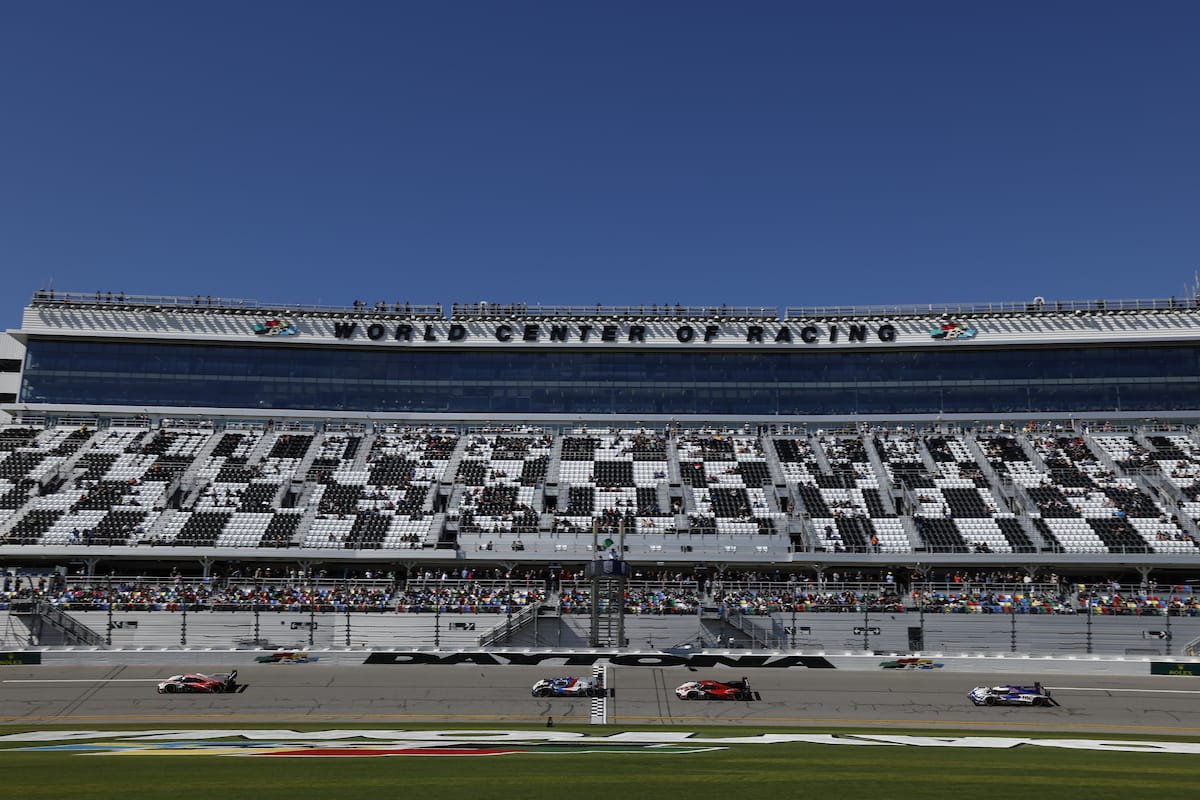
It may sound strange, but the Daytona 24 Hours often follows a very peculiar rhythm. More often than not, everything is decided after the final of the many safety car interventions. Last year, the last green flag flew with 38 minutes remaining. It was 30 minutes in 2024.
In effect, the race becomes a long waiting game followed by a flat-out sprint to the finish.
“For 22 or 23 hours, you’re in survival mode, mainly focused on not damaging the car,” Estre explained. “The deal is to be in the lead group at the final green flag – ideally in the top three, because track position is crucial.”
To maximise their chances in that decisive phase, teams have to save enough tyres to allow changes at every stint if needed. With only 21 sets available for the entire race, that is impossible to sustain over 24 hours – but absolutely vital when the money time arrives.