The F1 drivers facing serious trouble already in 2026
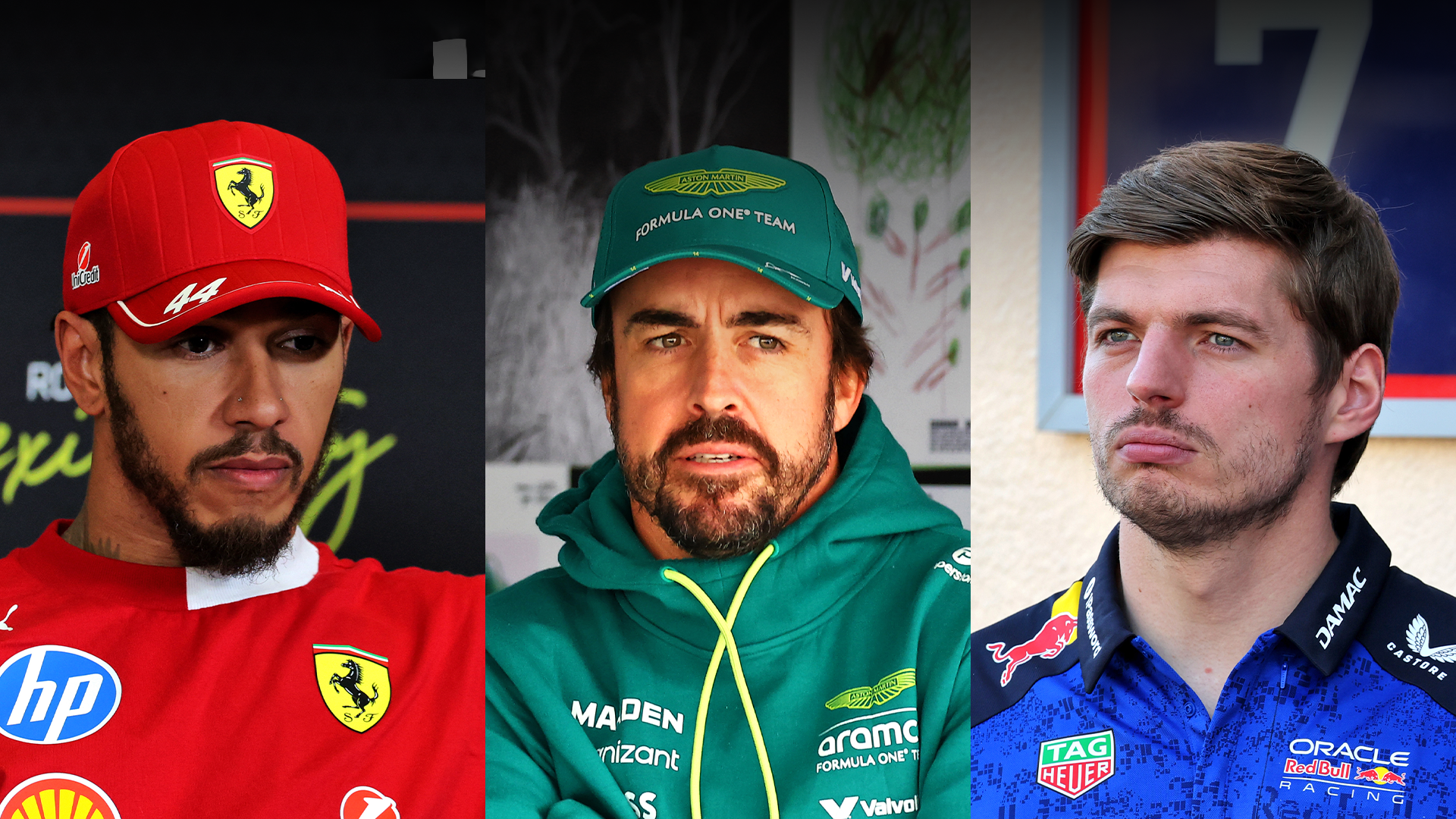
There’s nothing worse for an F1 driver than starting a new season in trouble and several of the best are going into 2026 with some big issues to resolve.
Whether it’s battling the blatant woes of a team in crisis, high expectations just not being met, or a more existential dilemma like a career at a crossroads, the competitive reality of F1 can’t be denied for long.
New rules and a new season wipe the slate clean in a way but they also bring a lot of new challenges and revive old worries – even for some of F1’s top drivers.
Fernando Alonso
There’s something cruelly ironic about the possibility that the end of Alonso’s F1 career could be undermined by the same core factor that set him back more than a decade ago: Honda.
After spending two decades waiting for the chance to drive an Adrian Newey-designed car, Alonso heads into 2026 not even certain he’ll have a realistic shot at finishing the first race.
The package looks compromised, short on performance and carrying reliability concerns, and at best he begins the year hoping for a rapid rate of development simply to reach midfield competitiveness.
The grand ambitions he once held for this project now hang by a thread. There is a very real risk that his faith in the project and the final truly competitive years of his F1 life are eroded by Honda’s struggles.
Given how painfully his McLaren reunion unfolded in 2015, that would represent a bitter final twist.
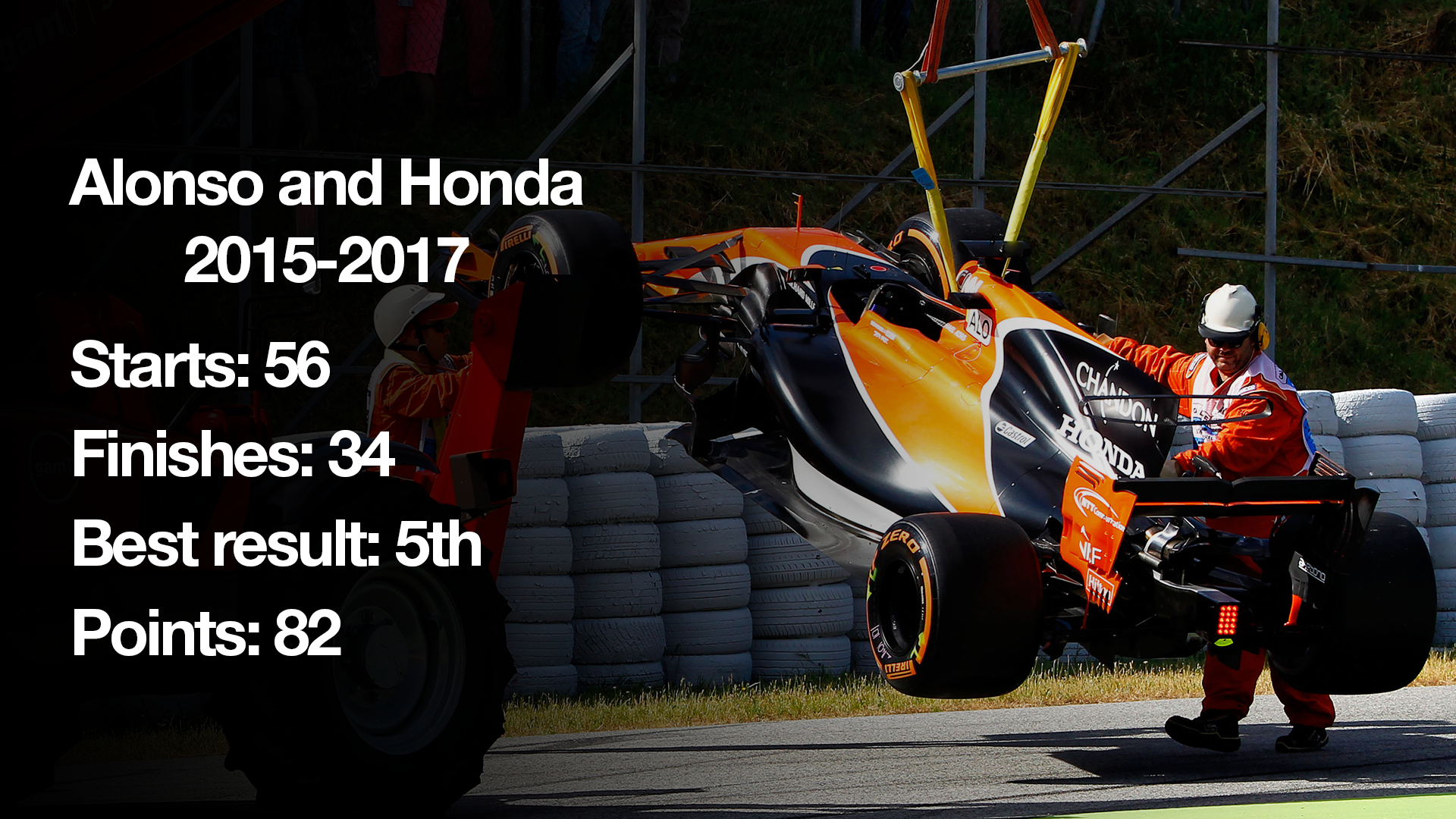
All Alonso can hope for is a silver lining later in the season, or perhaps momentum to carry into 2027 – if he stays.
But there’s little doubt he enters 2026 facing one of the most challenging campaigns of his career. That will surely test his patience and it could get fiery depending on how candid Alonso chooses to be.
Lewis Hamilton
There’s no driver who has more at stake in F1 this year than Lewis Hamilton. He may be under contract for 2027, but after a dire first year with Ferrari the 41-year-old needs to turn things around.
Race engineer Riccardo Adami has been replaced on an interim basis by Carlo Santi, which makes for what Hamilton calls a "difficult period".
Even more important is how he adapts to the new cars. Early on in the Bahrain test, he looked significantly less comfortable than Charles Leclerc. However, that improved dramatically as the six days of running in Bahrain progressed.
While it’s impossible to evaluate conclusively where he stands compared to Leclerc, Hamilton is certainly happier with the 2026 cars than he was with the previous generation of stiff cars. On top of that, he described himself as more connected to it, given the role he played in developing it.
“This is a car I’ve been part of developing on the simulator," Hamilton said.
"A bit of my DNA is within it, so I’m more connected to it.”
The improved responsiveness of the car on turn-in and the wider mechanical set-up windows means there are promising signs that Hamilton will be able to get the car in a better window for him on corner entry. He was visibly experimenting with that early in testing, and refined that approach as the Ferrari improved.
With Ferrari in good shape heading into the season, even if it appears to be a step behind Mercedes, Hamilton should have a more competitive car than 2025.
But the key challenge is whether he’s able to dial into it well enough to do his best work behind the wheel and match or, as he will be aiming to, get ahead of Leclerc.
If the first part of this season seems too much like last year, expect there to be plenty of questions about his future from the outside world and, most importantly, in Hamilton’s own mind.
Carlos Sainz
Carlos Sainz’s decision to join Williams last year, rather than Sauber ahead of its Audi transformation or Alpine ahead of its 2026 switch to Mercedes engines, looked inspired in 2025. That choice might look very different this year.
Testing suggests that both teams will start the year ahead of Williams, which missed the first test in Barcelona and has a car that’s overweight and lacks the poise of its rivals on track.
As Sainz says, it has exposed how much ground Williams still needs to make up on F1’s top teams - and he makes this list over team-mate Alex Albon because Sainz picked Williams for his post-Ferrari career, so he’s the one with a recent choice that could backfire.
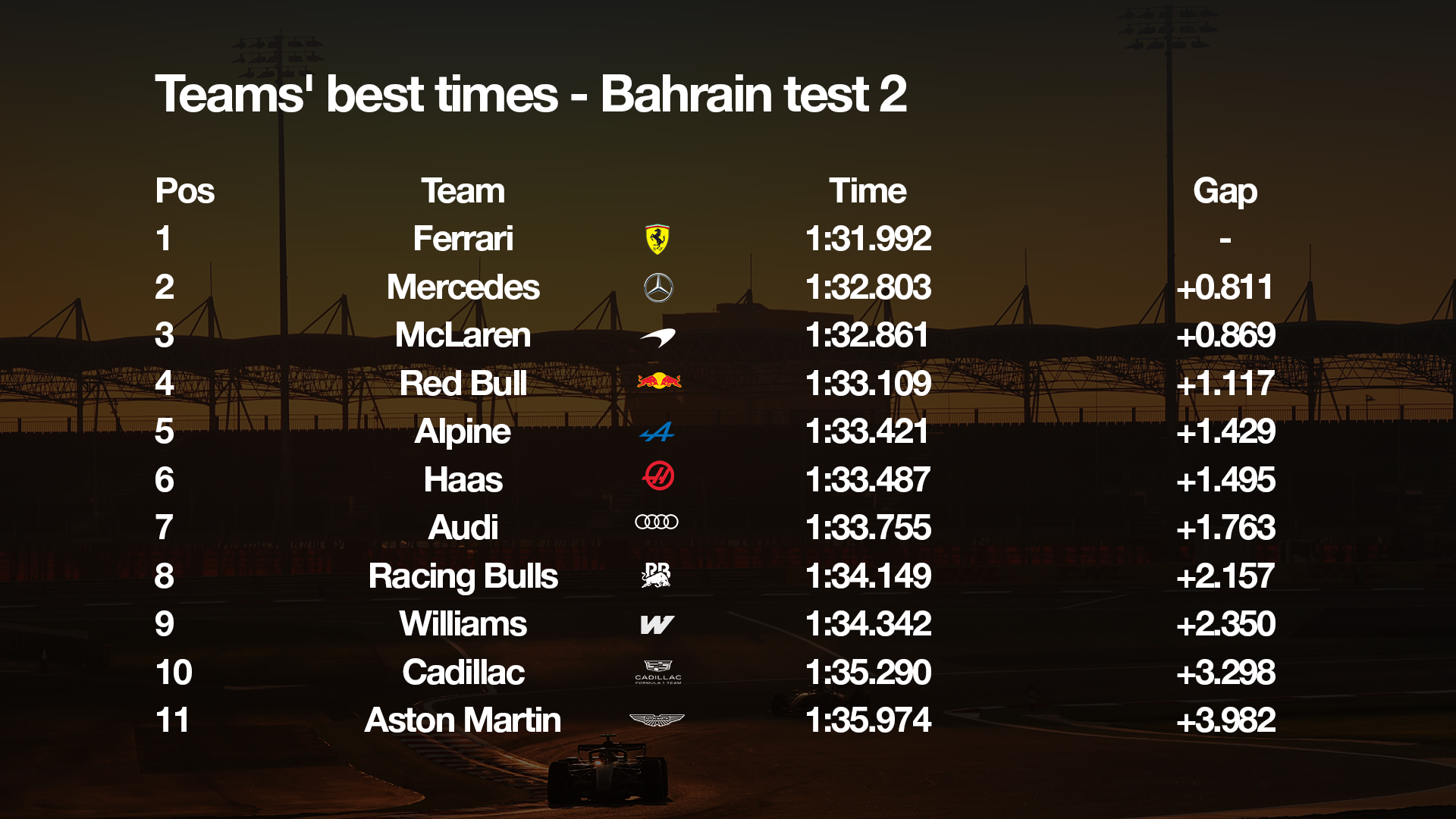
Williams is behind most of its midfield rivals. Haas, Alpine, Racing Bulls and Audi have all done a better job so far. It will improve, but it could be a tough start to the season.
The weight reduction project will take time to get the car not just down to the weight limit, but under it where ballast can be used to optimise the weight distribution. There are signs that a high-rake design approach is causing some problems getting into the right set-up window.
Sainz himself has integrated well with Williams and excelled in the second half of last year, so that’s not the problem. The question is whether Williams has put itself on the back foot not just for 2026, but even beyond that.
If it has, that will be a big problem for Sainz. We’ll get a big clue how bad it is in Australia.
Oscar Piastri
Having narrowly missed out on the world championship in 2025, Oscar Piastri would have wanted an immediate opportunity to put that right in 2026.
That places him among the drivers carrying the highest expectations on the grid, but they won’t immediately be met.
McLaren appears set to begin 2026 on the back foot relative to the works teams (even if it's getting an engine step for Melbourne), with a deficit in its understanding of the new energy management demands.
While it’s too early to definitively judge the car’s overall performance, the early signs suggest Piastri may not start the season with a title-contending package.
Then there’s a more subtle concern. The decisive factor in Piastri missing out in 2025 was a difficult late-season spell where McLaren identified his struggle to extract grip and confidently attack slow corners, particularly in conditions where the car was sliding on the tyre.
These new-generation cars slide significantly more across the board, due to reduced downforce. There’s more time spent in the corners that exposed Piastri’s weaknesses late last year and proportionally less advantage to be gained in high-speed sections, where he has typically excelled.
Piastri didn’t look as immediately as comfortable as team-mate Lando Norris in testing, though seemed to get better over two weeks in Bahrain.
It’s possible he adapts quickly. But he may face a challenging start to a season in which he would have hoped to immediately return to championship contention.
Esteban Ocon
Esteban Ocon joined Haas last year as the experienced hand, but was comprehensively upstaged by rookie team-mate Ollie Bearman.
As team principal Ayao Komatsu recently said, the Haas team expected more from Ocon - albeit with the caveat that there were times when the team couldn’t give him the car balance he wanted.
"He’s got 10 years of F1 under his belt, he's a race winner, he's a podium finisher, so we expected more from him," Komatsu said.
Ocon had his moments with a number of standout race drives, but qualifying was a challenge. At times, he struggled with the braking characteristics. Komatsu pointed to Bearman's Max Verstappen-esque capacity to handle rear instability, but Ocon - like Nico Hulkenberg before him - isn’t as comfortable with that.
If Haas, as expected based on testing, starts the season at the front of the midfield, Ocon will have the machinery to produce good results. And he needs to, especially given there were hints in testing that Bearman once again might have the edge in terms of outright pace.
Haas’s form means it could be a desirable destination for 2027, and it already has ex-Alpine racer Jack Doohan on its books as reserve driver. Plus, the ever-expanding involvement of Toyota means there could be interest in one of its drivers being promoted to F1, with Ryo Hirakawa another reserve.
If Ocon struggles, there could be question marks over his place with the team.
Max Verstappen
Regardless of whether Red Bull has a winning car and engine, Max Verstappen sounds like someone approaching an F1 career crossroads in 2026.
Red Bull seemingly producing its first-ever F1 engine with a respectable performance base, great reliability and impressive driveability is about as much as Verstappen could have reasonably hoped for. The problem is that it still might not be enough.
If Red Bull really is only the fourth-best package at the start of the season, that leaves Verstappen at the tail end of the lead group, fighting for podium scraps rather than victories. And an uncompetitive Verstappen is an unhappy Verstappen.
But Verstappen has also made clear he hates this new rules era, particularly the extent of energy management required. So much so that he claims even if he has a winning car, it won’t matter.
All of this unfolds against uncertainty about Verstappen’s long-term future in F1. He has openly questioned the sprint races, the expanding calendar, the increase in street circuits – and the new rules are yet another clash between what F1 is and what Verstappen wants.
That means 2026 will likely shape Verstappen’s thinking about how much he’s pushed away by this version of F1.
And if he does sample events like the Nurburgring 24 Hours, he will be drawn even further to another world that is already very compelling to him.
It’s a luxury problem to have in a way, but a sign of the existential trouble even the best driver on the grid can face – no matter how good their car ends up being.