How Aprilia is using a banned McLaren F1 trick in MotoGP
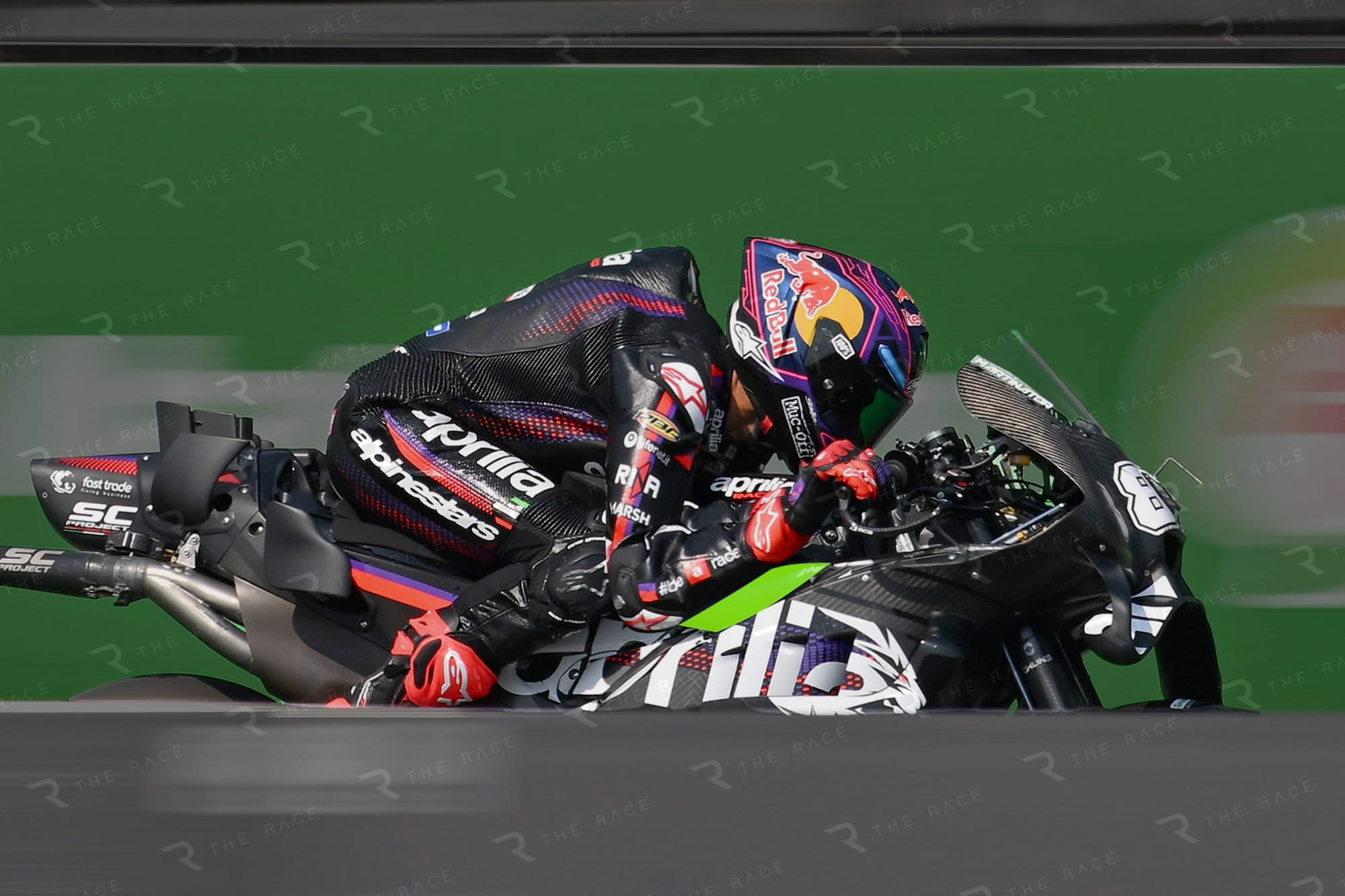
Aprilia will this weekend become the first manufacturer in MotoGP to introduce a form of active aerodynamics.
It has found a loophole in the rules that replicates a practice first exploited (and subsequently banned) in Formula 1 more than 15 years ago to increase straightline performance on this year's RS-GP machines.
Under the current MotoGP rulebook, "any part of the aero body shall be attached so that neither active adjustability is possible [eg linkages, bearings and any design that permits an intentional change in shape/orientation/position are not allowed], nor passive", meaning that while some street bikes now have mechanically actuated aero components, this has not happened in grand prix racing.
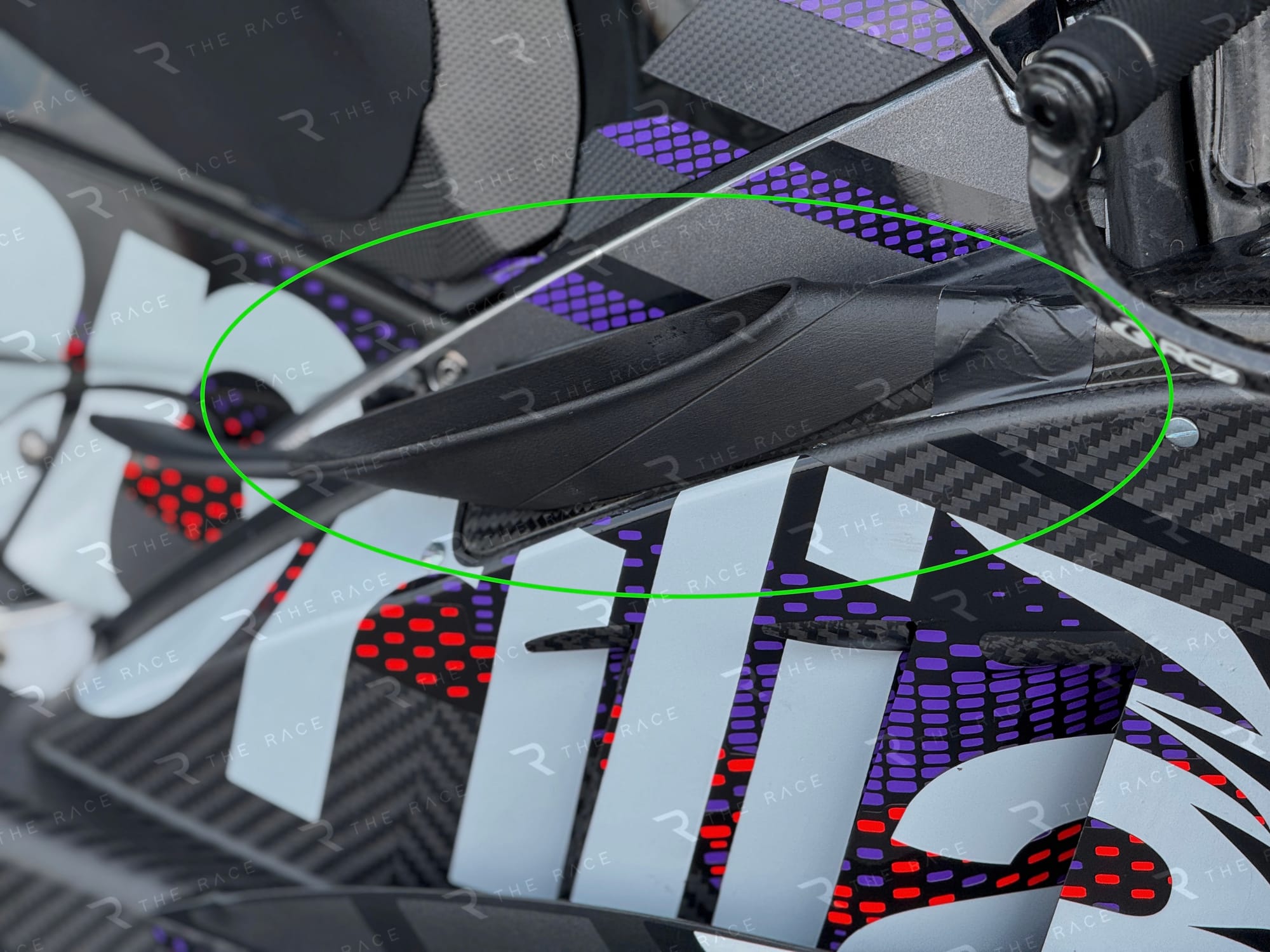
However, Aprilia has found a way around that ruling, not by modifying the shape of the bike's aero components but rather by changing how the air flows over them using a 'fluidic switch' operated not by a moveable mechanical component but instead by the rider's forearms while tucked into the optimum aero position.
This device first appeared on the Aprilia at the Sepang pre-season test at the start of February.
Aprilia has consistently been the driver of aerodynamic innovation in recent years, taking that crown away from early innovator Ducati and pushing towards fairing designs that act not just to create downforce in a straight line but by enacting ground effect pressure to help its bikes stop and corner better as well.
That has contributed more recently to a big step forward in bike performance, with Marco Bezzecchi in particular looking like arguably the most complete package on the grid towards the end of 2025, with the RS-GP's turning ability and corner speed highlighted as one of the key areas in which it was making up significant time.
But while Aprilia's aero package might make the bike faster around corners, it comes with a compromise; slower top speed thanks to the ground effect elements incorporated inside the side fairing's second skin, which act to create drag on long straights.
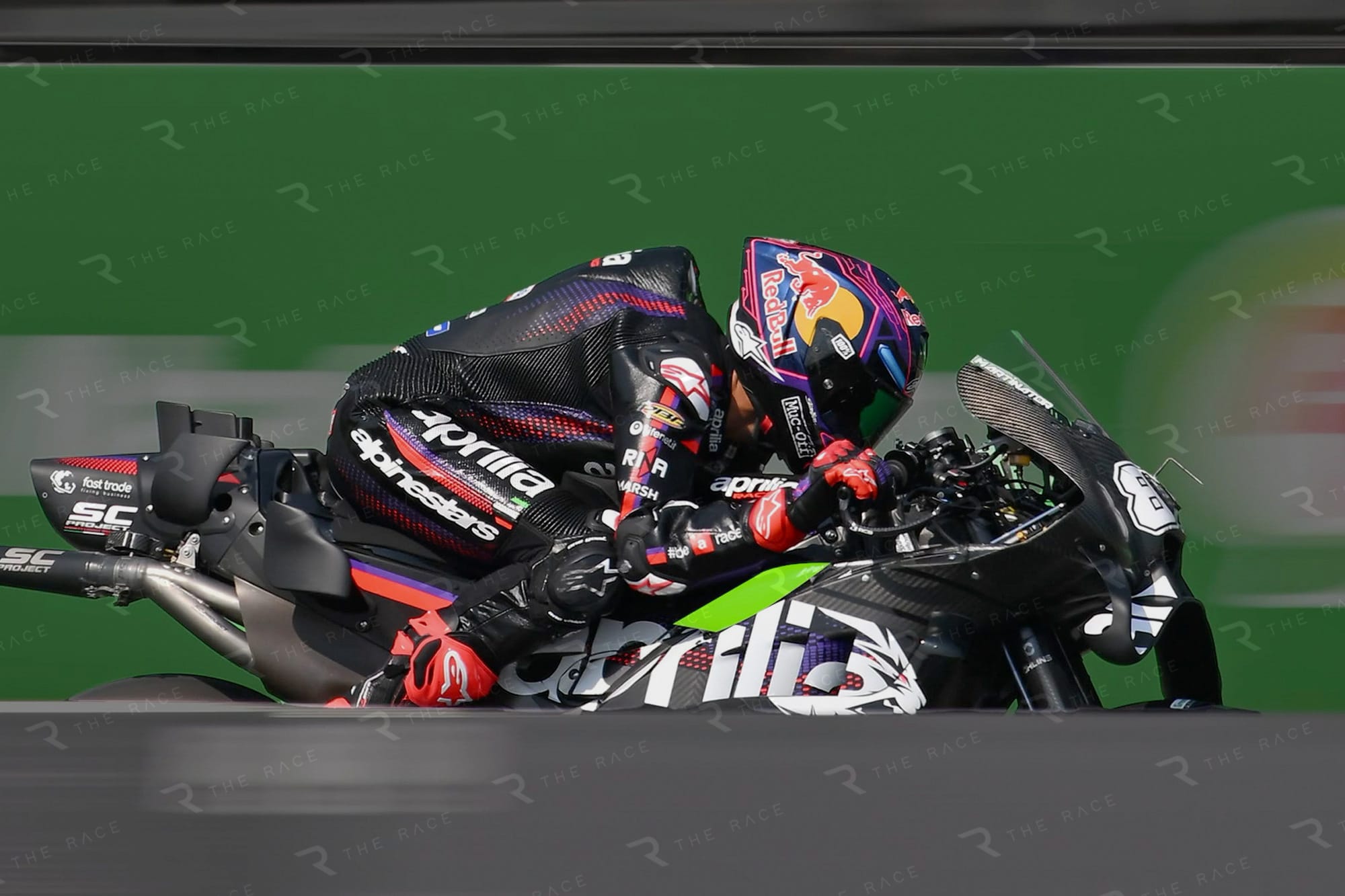
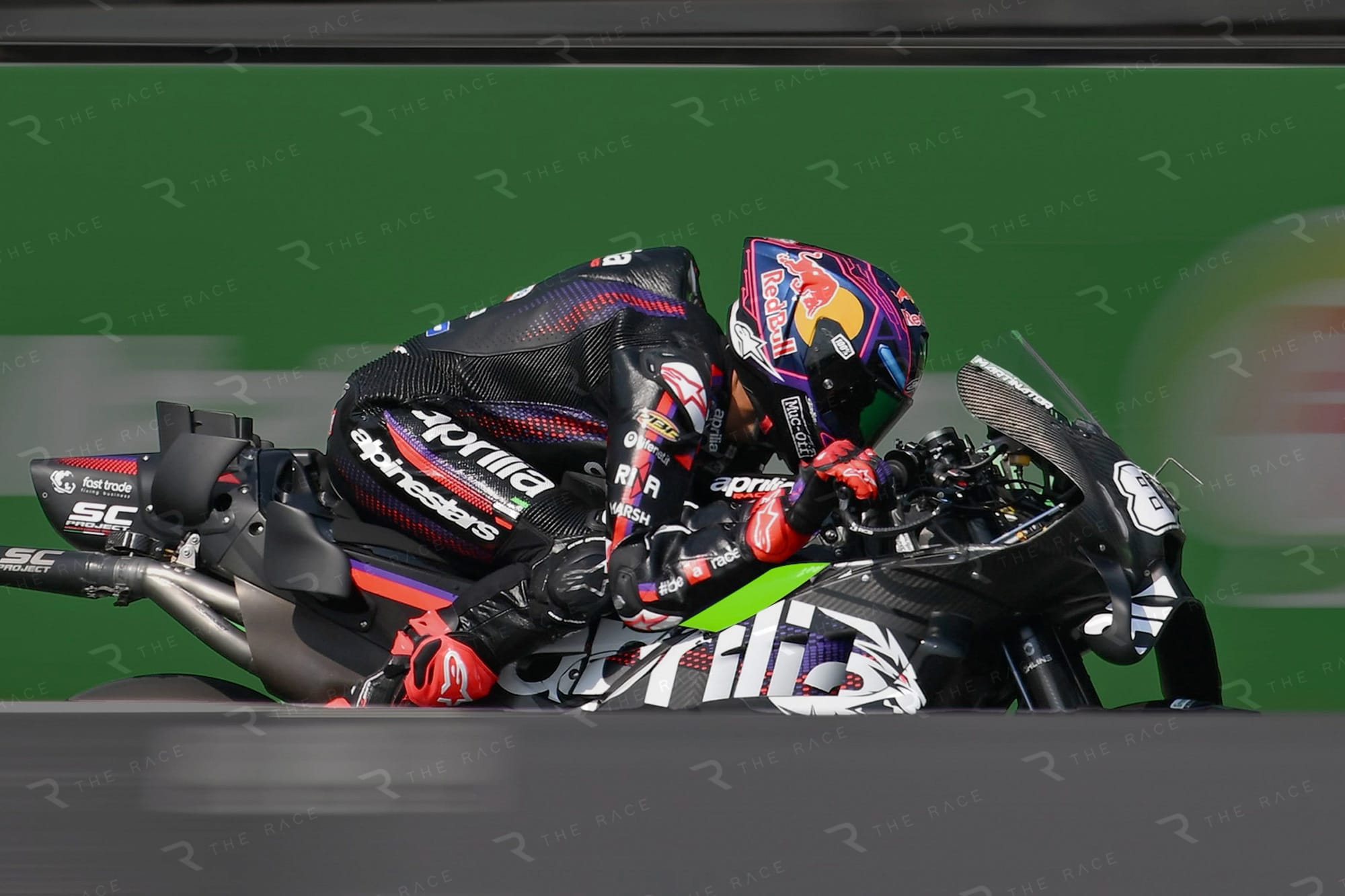
According to The Race's sources in the MotoGP paddock, the new system works by creating a vent on the top of that fairing that the rider can plug with their forearms. They can modify how the air interacts with it, too, essentially helping to deactivate the ground effect wing when they need it in a straight line.
A similar idea was famously used by McLaren on its 2010 F1 car, with an intake on the nose (christened the F-duct because of where it sat on the letter f of title sponsor Vodafone's branding) routing air through the cockpit of the car and onto the rear wing.
By plugging a hole in the duct, the drivers were able to divert the airflow to the rear wing, creating additional pressure under - rather than over - the wing, helping to essentially 'stall' it and reduce drag - in a manner similar to how Aprilia's new system is likely to operate.
Though it was legal under F1's rules on active aero (which at the time were worded similarly to MotoGP’s current specs), the F-duct was banned for 2011 on safety grounds.
Other series have also had similar human-activated aero solutions, with three-time NASCAR Cup champion Joey Logano fined in 2024 for using a webbed glove during qualifying to reduce the drag created by the car's window. NASCAR changed its rules for 2026 to ban drivers completely from placing their hands against the window net, similarly on safety grounds.
However, given the position of Aprilia's solution and the ingenuous way in which it has managed to incorporate it into the rider's natural tucked-in position, it is unlikely that the same thing will happen in MotoGP.
And considering only one aero update is allowed per season under the current rules, and MotoGP is in the final year of its current regulations before its 2027 overhaul, it is also likely this innovation is one Aprilia will be able take sole benefit of for some time.