Should F1 be panicking about its 2026 cars? Our verdict
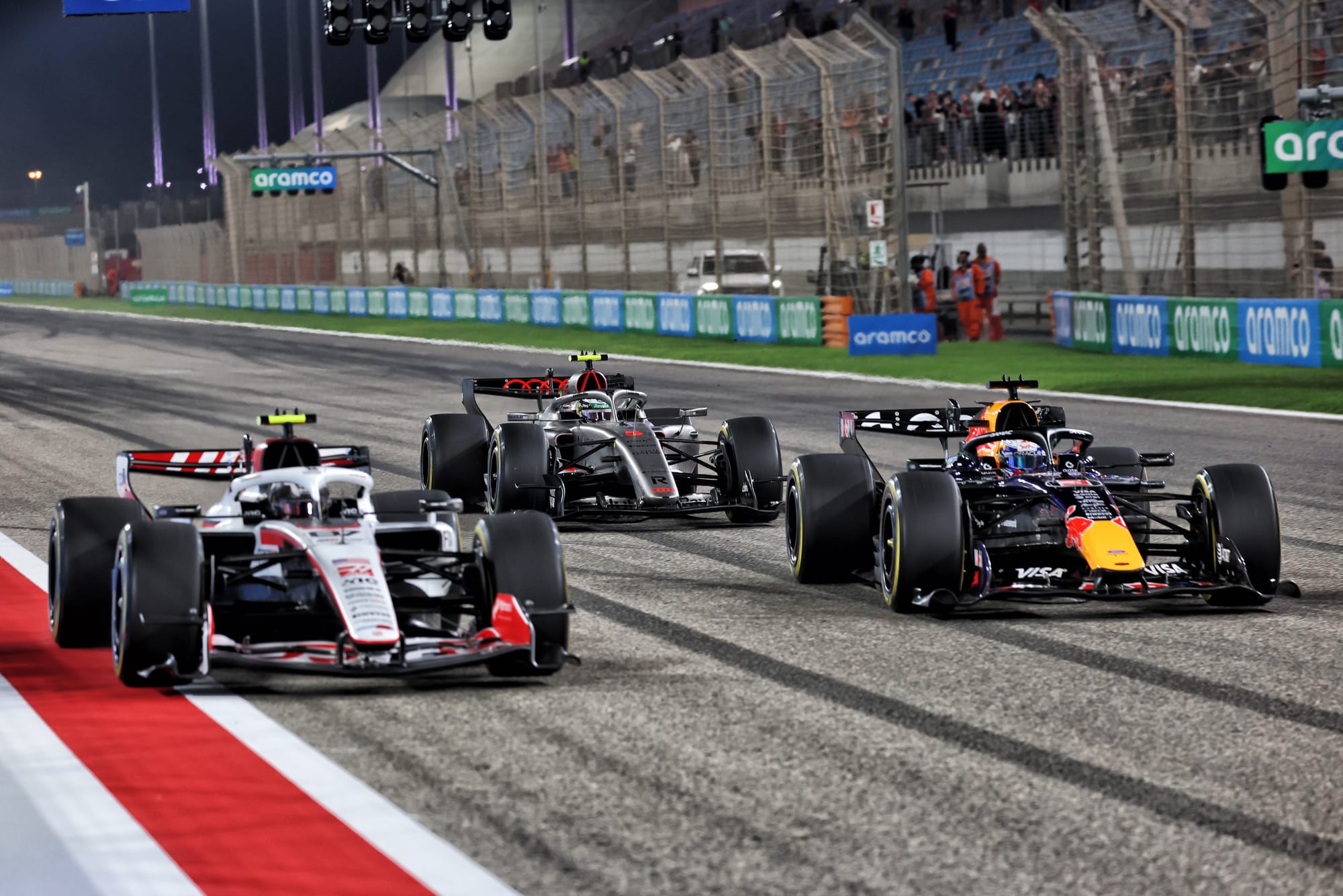
We're days away from the first race weekend of Formula 1's brand new era at the Australian Grand Prix.
But the reception to the brand new car and engine regulations has thus far been mixed to say the least.
Four-time F1 world champion Max Verstappen has called it "anti-racing", Fernando Alonso has joked that Aston Martin's chef could drive the car, and Lewis Hamilton says the car feels slower than GP2 pace.
But F1 CEO Stefano Domenicali says he can't understand the "panicking" over the 2026 cars.
Is he right not to be worried, or should F1 be preparing to make changes? This is what our team thinks...
F1's paying the price for compromise it made
Edd Straw
Panic is not the appropriate approach to anything, so any reaction must be measured, evidence-based and proportionate. However, it's essential not to pretend this is somehow a new or unforeseen problem.
In order to draw in a new manufacturer, Audi, plus facilitate Honda's recommitment to F1, having withdrawn, compromises had to be made to the power unit regulations to match marketing and wider-world objectives. The notional 50/50 split of conventional V6 and electrical power was the result. Everything that is causing concern follows from this decision because it's the foundation of the rules.
To an extent, F1 is stuck with this. Key to its brand is the perception - and that's a very important word that should resonate with a marketing and promotion-led organisation like Liberty Media - that these are the best drivers and cars going at it hammer and tongs. Yes, it can try to accentuate the positive and pressure stakeholders to endlessly repeat the incantation that everything is great, but the watching world will vote with their eyeballs. If they do not believe they are seeing such a battle, then that's bad for business.
Yes, it's important to describe what's happening accurately. The drivers still require tremendous skill, the teams will still be pouring enormous resources into finding every hundredth of a second, but regardless of what you tell everyone, it has to look right. And pretending that everything will improve dramatically to the point where this isn't a problem is naive, for there are several very important immovable challenges that are enshrined in a combination of the regulations and the laws of physics. Changes can be made, but it will be fiddling around the edges of the fundamental limits.
Albert Park is far from the ideal track to start with. A dramatic and storied opening race, regardless of what causes that, is what F1 desperately needs and that will buy a lot of goodwill. The trouble is, it's one of the most limited tracks for harvesting and will not show the energy challenges in a good light. Add to that the fact that, as wonderful an event as it is, the Australian GP is hit and miss in terms of what happens on Sunday afternoon, and there are plenty of reasons for F1 to be nervous.
So no, don't panic. But equally, if the spectacle doesn't cut the mustard and the on-track action doesn't marginalise the necessary talk of super clipping, energy management and deployment, F1 is going to need to do more than simply claim everything is great.
Never has F1 needed a race not to be a procession more than in Australia.
I'm fearing the worst
Ben Anderson
I think the panic has already set in.
The FIA wouldn't have wondered last year if V8s with sustainable fuels might suddenly have been a better route to go down if you weren't seriously worried about how this might go.
You also wouldn't write the rules this way - desperately trying to reduce mass and drag as much as possible - if you didn't think these MGU-H-less engines were going to end up way too energy-starved.
And you wouldn't have a top team like McLaren lobbying for the whole energy management equation to be rethought on the eve of the season without some serious concern that the spectacle might end up being a total shambles.
As I explained in a column for The Race after the first Bahrain test, I find these new cars - generating most of their laptime on the straights and using the braking zones and corners to 'harvest' energy - deeply underwhelming.
I hope for the best but, honestly, I fear the worst.
Let's strip away some of the hyperbole
Scott Mitchell-Malm
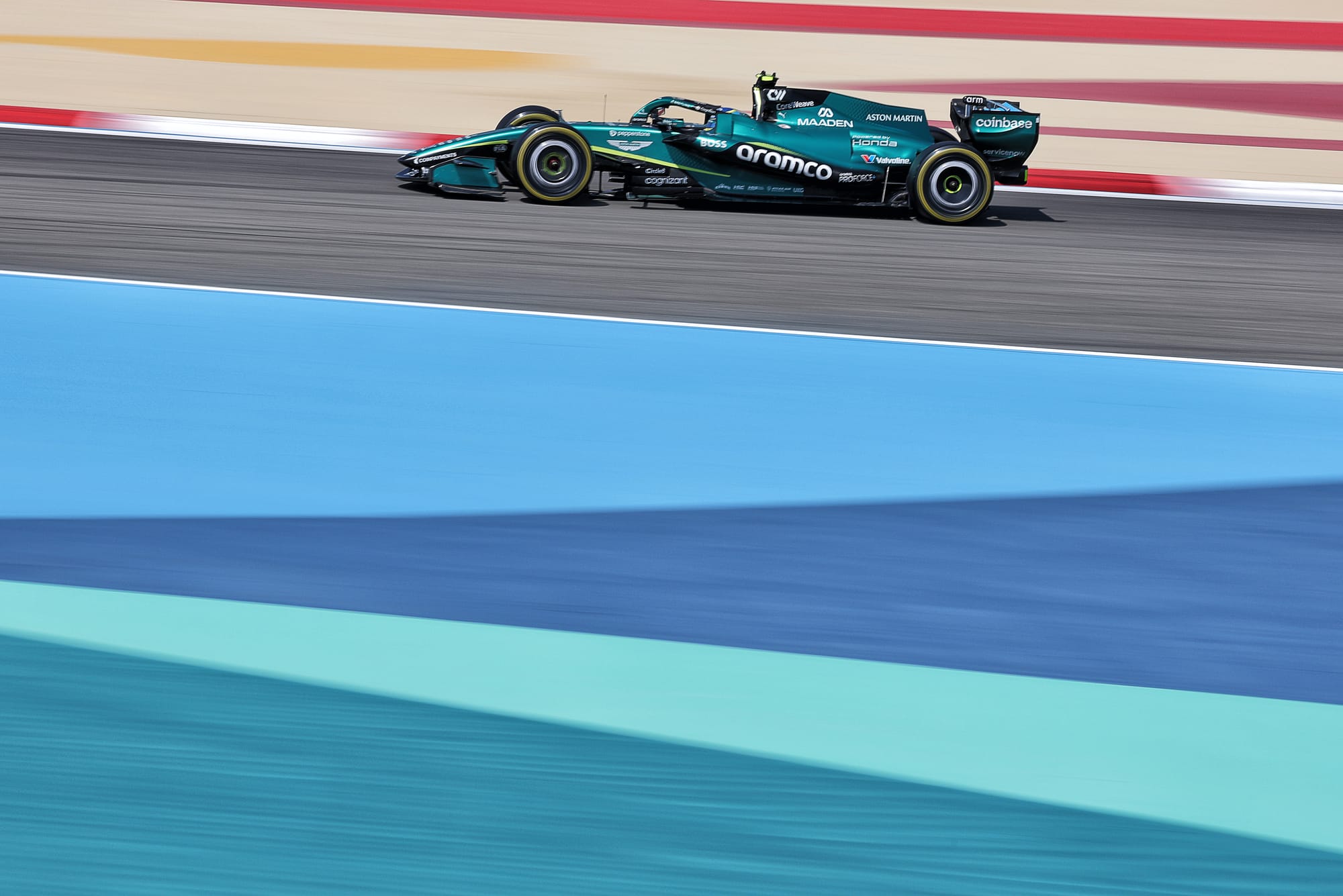
We need to strip away some of the hyperbole around this ruleset because the debate has drifted into extremes.
Take Bahrain's Turn 12. In testing, it suddenly became Exhibit A for how drivers are being held back, largely off the back of a very funny Fernando Alonso line.
Yes, they're slower there. Yes, it looks underwhelming. But let's not pretend Turn 12 was ever some sacred, ultra-demanding corner that defined a driver's brilliance. It's been elevated to make a point.
What concerns me most is the prospect of qualifying being genuinely neutered and fast corners being nowhere near grip-limited as a result. This would be a big problem and it's legitimate to be worried it could happen - especially in Australia.
With so few places to charge the battery 'conventionally', the season opener could expose the worst-case scenario: too much lift-and-coast in qualifying, drivers hoarding energy instead of racing, an overtake mode that falls flat.
If that happens, it's on the rulemakers for letting known issues drift this far. But hopefully tweaks around the edges, not knee-jerk overhauls, can be the answer.
I'm still cautiously optimistic that there are things to like about the new rules. Beneath the complaints about speed and downforce, many drivers admit these cars can feel good with how they move around and how you can catch them in the corners.
It's just typical F1 that the ground-effect cars are being wistfully remembered for their mega high-speed downforce and performance and conveniently everyone - even the drivers! - are forgetting what ugly boats they were at low speed.
Want behind-the-scenes insight from the Australian GP? Get bonus content from our team on the ground, exclusive to The Race Members' Club. Right now, you can get 90% off your first month.
The writing has long been on the wall
Gary Anderson
Aesthetically, the 2026 cars look better than the previous version, but unfortunately, that's where the positives end. Testing proved that increasing electrical power output versus harvesting for a given circuit is going to be very difficult, some more difficult than others.
We will have racing - by that I mean we will have someone on pole and someone winning the race - but that won't necessarily be the best driver doing so.
For any given race weekend, the best, the fastest, most intelligent driver should come out on top and not because a team has better simulation tools or a higher level of back-room assistance that is coming from an engineer.
Everything that will make up the difference between drivers will be hidden under the bodywork, so invisible to the casual viewer, enthusiastic viewer, or even anorak like myself.
The writing has been on the wall since early last year that this set of regulations was going to be difficult to comply with. How can you increase the electrical output while reducing the potential harvesting by removing the MGU-H?
All this other stuff around the periphery to patch in for the lack of a balance of output to input is effectively just more confusing.
Domenicali says he doesn't understand the 'panicking' over the cars. That's similar to what the captain of the Titanic said when they hit that fateful iceberg.
Knee-jerk reactions won't pay off
Glenn Freeman
The time to make changes for the start of the season passed long ago. Yes, a lot of what people are fearing after the cars have run in testing tallies with the fears that were raised a long time ago about these regulations. But now we need to see how it plays out before anyone considers taking action.
And the sample set cannot be too small. You've got to give it at least six races. That way, we get to see a variety of tracks, and we might also see how teams develop their knowledge of how to manage their energy, which could help improve things.
Once you've committed to not making changes for the start of the year, you have to be willing to ride it out for at least the first chunk of the season. Knee-jerk reactions rarely pay off in the long run.
As for how F1 may try to handle any early-season mini crisis over these cars, I don't agree with the approach of saying everything is great even when it isn't. If that's what F1 chooses to do if we have a rough opening run of races from a spectacle point of view, I think that'll just make people look stupid.
Drivers should be the stars
Jack Benyon
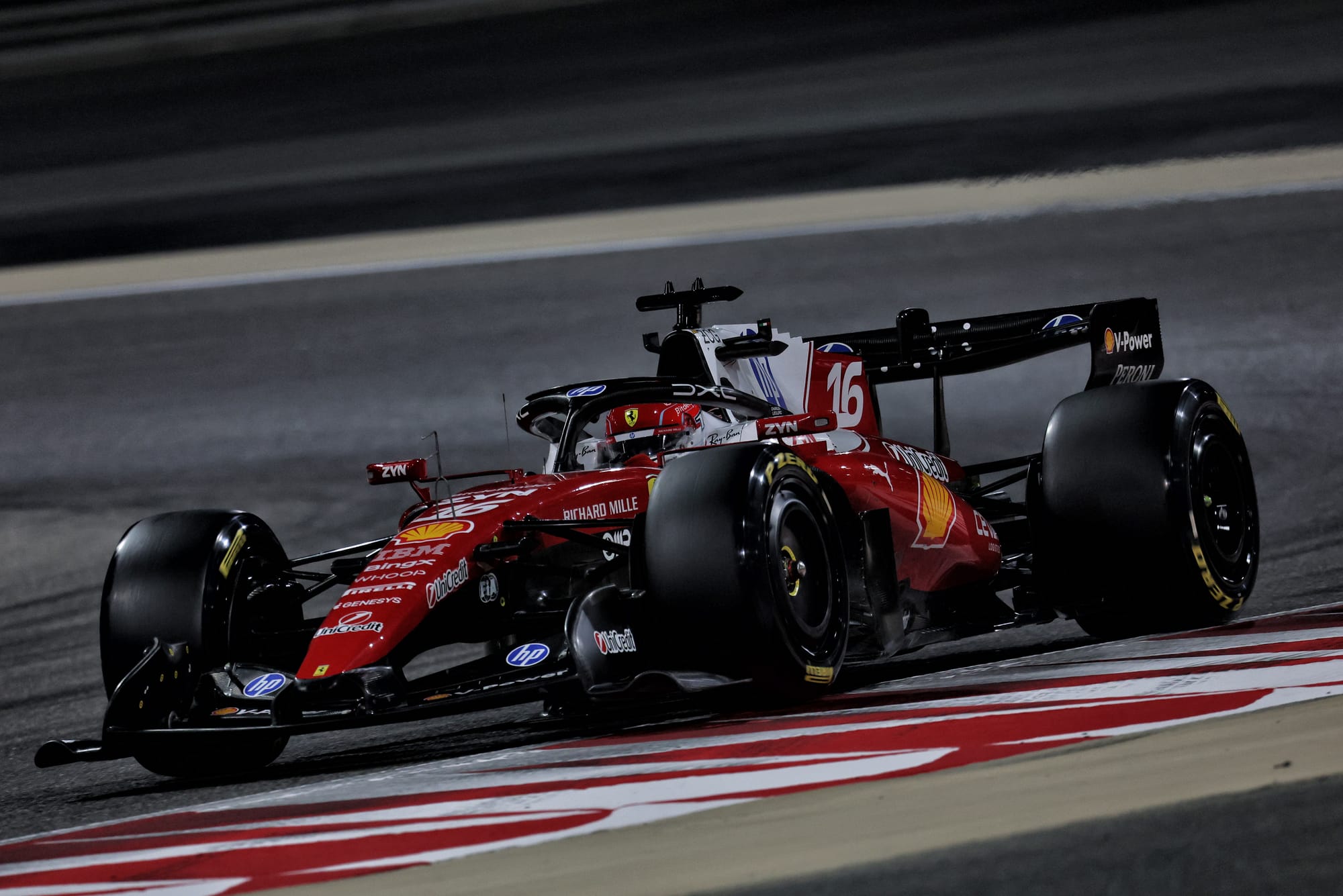
Why is it constantly overlooked in modern motorsport that drivers are the stars of the show, and giving them cars that don't allow them to wow us with their gladiatorial abilities is the antithesis of what motorsport should be about?
They're spending more time asking the drivers to slow down than reach the peak limit of their capabilities, and for what, to charge a battery? The tech isn't even really that innovative in the grand scheme of things, is it?
My laptop battery has been on the blink recently, I'm half considering giving Charles Leclerc a call and seeing if he can lift and coast it into action. Maybe super clipping is the answer to my problems.
Disappointing battery and engine innovation, engineers starved of going full throttle in other areas, drivers asked to race like it's a 'management formula', not a 'pushing the limits' one.
The only thing worse than these regulations was not changing them when they had the chance.
One good thing that may come of this is, after the above, the powers that be realise V8s or V10s with sustainable fuel is the way to go and they get back to trying to ensure F1 is the pinnacle of motorsport in every area. That should include the drivers and giving them the opportunity to shine.
F1's mirroring confused automotive industry
Sam Smith
It's a confusing world out there right now, especially geopolitically, and F1 feels like it's kind of mirroring all that with its confusing new regulations and erratic driving challenges.
No one should be surprised that F1 is in this new state. Its fresh regulations with 50% electrical capability are part of F1's pledge to be net-zero on carbon emissions by 2030. How that is audited will come under greater scrutiny later on, especially within the context of how hundreds of thousands of people travel to F1 races.
The answer for the future regs is probably for F1 to centralise its appeal with much more emphasis on the driver, which has really accelerated its success since the pandemic. Let series such as Formula E do what it says on its tin. With manufacturers downscaling their electric vehicle forecasts, what would F1 miss anyway?
The biggest question will be how long the fans will take to 'get' the new-look F1, which has a habit of recalibrating new technical make-ups just fine. But can it take the fans with it?
I'm old enough, and fortunate enough, to remember watching peak turbo F1. Yes, it was ferociously exhilarating, but often forgotten is the fact that the races were sometimes very dull and drivers had to nurse cars to the finishing line.
It's a new era now and tolerance for test match-style racing to the flat-out 20-20 style, to borrow a cricketing comparison, is negligible. But if we get two corkers from the first four or five races, a lot of the shock of the new will inevitably subside.
We need to see actual competition play out
Jon Noble
F1 has done an awful lot right with the new 2026 cars. They look and sound great, and appear to be quite a handful when drivers are on full throttle.
But there is no escaping the energy starvation issues that have overshadowed early running and are going to dominate pitlane chatter for a while yet.
With the season opener taking place at an Albert Park track that is going to be one of the toughest to manage harvesting and deployment on, the likelihood is of a weekend with plenty of moaning from drivers, and the risk of a spectacle that some fans may find hard to enjoy.
But this does not mean that it's time for full-on panic stations, and cause to ditch these turbo hybrid regulations totally.
First, the energy starvation issue is a numbers problem, not a rules concept failure. F1 just needs to balance better the power demands versus energy requirements.
The solutions are technically quite simple - it is just a case of shuffling some kilowatt figures around. This means then that, no matter how bad things are in Australia and the early races, improvements can be made pretty swiftly.
Another factor is that nobody has any hard evidence yet about what the racing will be like, because game theory has not yet played out.
Everyone has done their own thing in testing up until now; nobody yet knows how the energy management battle will play out when everyone goes up against everyone else's approach.
F1 really needs to see the final product before deciding if the current power numbers are as wrong as some suspect, or if they just need a bit of refinement.
Because if nobody is sure just how much is really broken, then it is hard to know how much of it needs fixing.
F1 2026 needs its Bahrain 2014
Josh Suttill
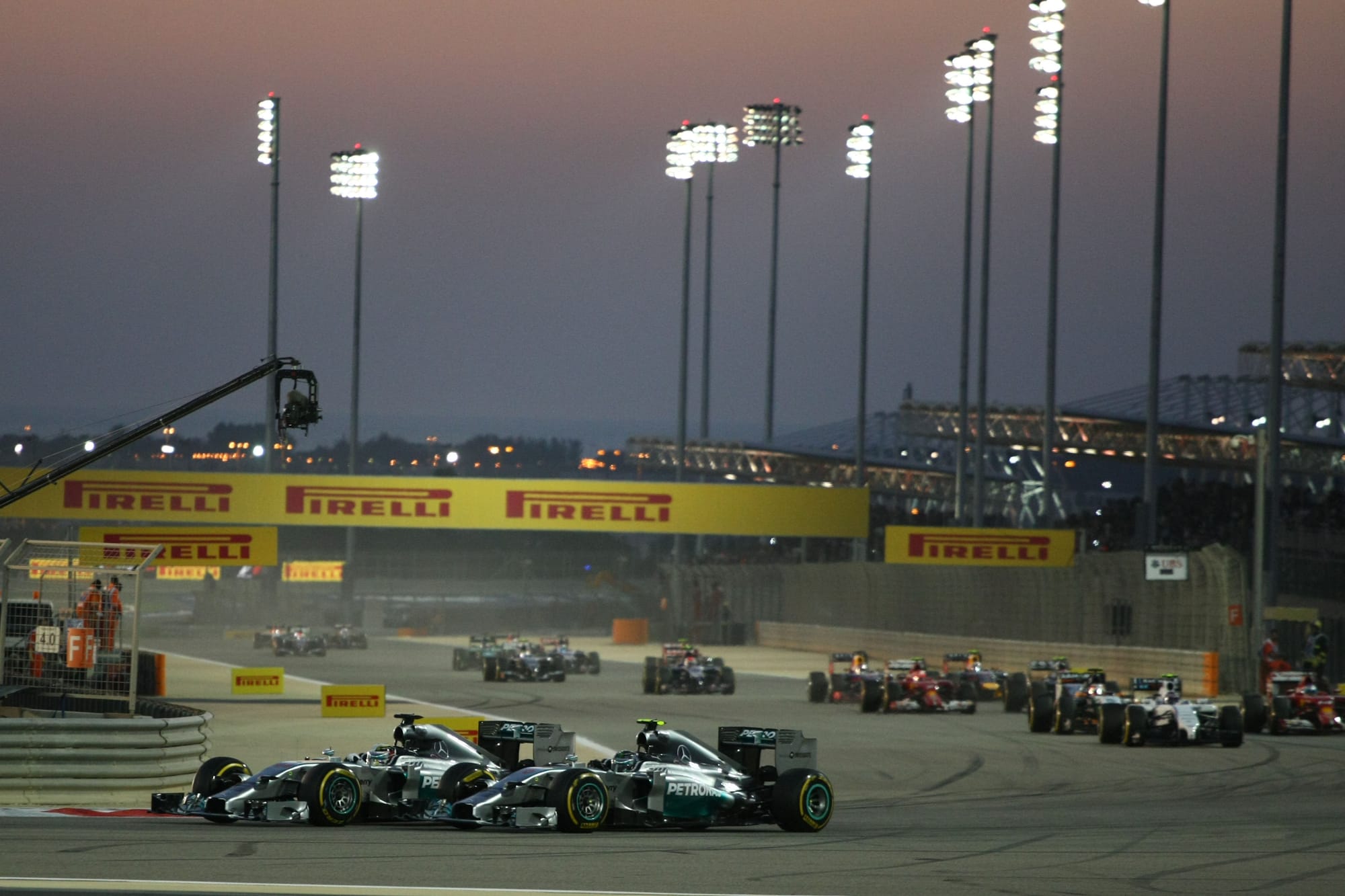
Look, let's be honest. F1's 2026 formula? It doesn't look ideal right now. But neither was the 2014 formula, plagued by pre-season fears that it was no longer 'F1'. Those arguments about F1's authenticity disappeared pretty quickly.
Yes, it was a less aesthetically pleasing (and sounding) F1 than what it replaced, but F1, nevertheless, it was. That was in part helped by race three of F1's new 2014 era being one of the best races of the 21st century: The 2014 Bahrain GP.
A wheel-to-wheel dogfight for the race lead between drivers on different strategies and an almighty scrap for the final podium place that went to a team (Force India) that hadn't scored one in five years. You could make a similar case for 2022's opening races (remember Max Verstappen battling Charles Leclerc for victory in consecutive races), quashing much of the porpoising flaws of the ground effect era.
That's exactly what 2026 needs from one of its opening races and I think, despite the obvious drawbacks of these rules, the components are there to have it within the first few races. The current engine disparities and varying degrees of energy efficiency between teams is going to produce far more racing than any of the new overtaking aids.
Will we get there via some uncomfortably quirky qualifying sessions and an energy management snoozefest or two? Probably. But get there, F1 will because this formula is still F1.
When the lights go out on Sunday, all 22 drivers will be giving it their all and nothing would calm F1's nerves better than an early 2014 Bahrain GP repeat.