F1 couldn't have picked a worse place for its 2026 rules debut
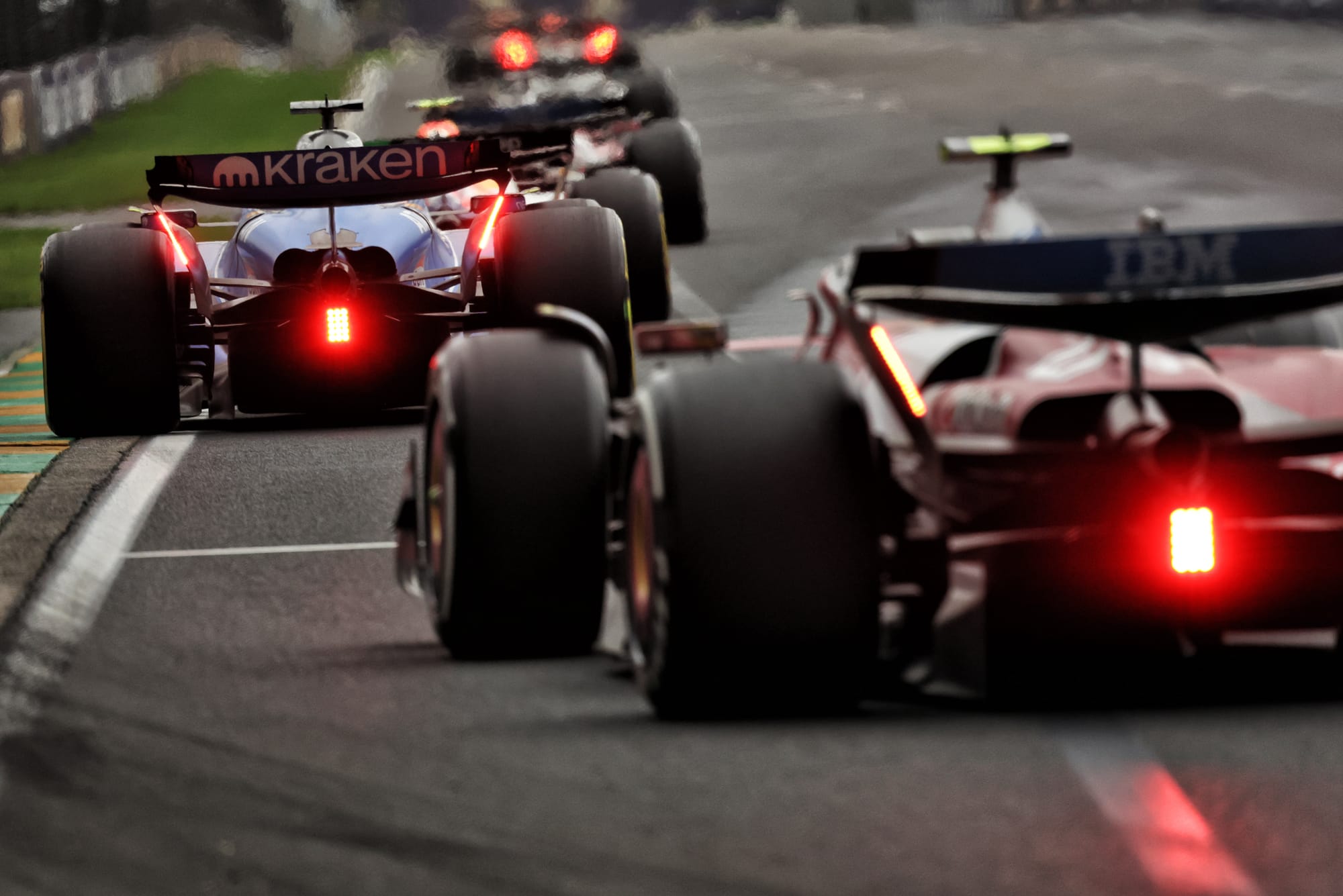
Albert Park is one of the worst places Formula 1 could have chosen to start the 2026 season.
That's not to denigrate the Australian Grand Prix, a great event staged at a historic venue and usually the perfect place to begin, but simply reflects the fact it risks brutally exposing the weaknesses of the new regulations.
First impressions count, which is why from F1 and the FIA's perspective it's essential that the spectacle this weekend is a good one that gets fans talking for all the right reasons. However, Australia poses some distinct challenges for this generation of cars that mean it will expose the energy limits more than most circuits on the calendar.
The key to performance in these cars, particularly early on in the rules cycle, is maximising the deployment of electrical energy from the battery. That gives you an extra 350kW (469bhp), which is worth enormous laptime. However, in order to be able to do that you must maximise harvesting.
The primary means for harvesting, whereby the MGU-K charges the battery, is under braking. The problem with Albert Park is it's one of a group of four circuits that are at the bottom of the league in terms of the capacity to do that. This is why at these tracks the FIA currently plans to run to the 8MJ per lap harvesting limit rather than the regular 8.5MJ. Not that it's going to be possible to harvest that much while on a racing lap anyway.
That's because of the limited braking around a lap of Albert Park. According to data issued by Brembo last year, Albert Park has seven braking events for a total of around 8.47 seconds. That's the second-lowest tally on the calendar, below only Monza, which, along with Jeddah and the Red Bull Ring, completes the set of tracks where the harvesting limit is lower.
This means that there's increased reliance on the other forms of harvesting, most significantly super clipping. This now much-discussed technique means drivers are still at full throttle, but the car is slowing from high speed owing to the MGU-K being used to charge the battery at the maximum of 250kW permitted when super clipping. This will mean greater compromises necessitated by the energy requirements of the car than at a track such as Sakhir.
The most spectacular part of the Albert Park circuit, the high-speed, left/right sweep of Turns 9/10, is likely to be taken at lower speed than normal. Like Turn 12 in Bahrain, highlighted by Fernando Alonso as an underwhelming experience in these new cars, it's a section where you will gain more laptime by taking it slower to allow harvesting to give yourself more battery energy to deploy rather than being on the ragged edge.
It also means that there will be plenty of occasions when the drivers are very obviously not flat-out on straights, whether that's because of super clipping, lift-and-coast or part-throttle charging.
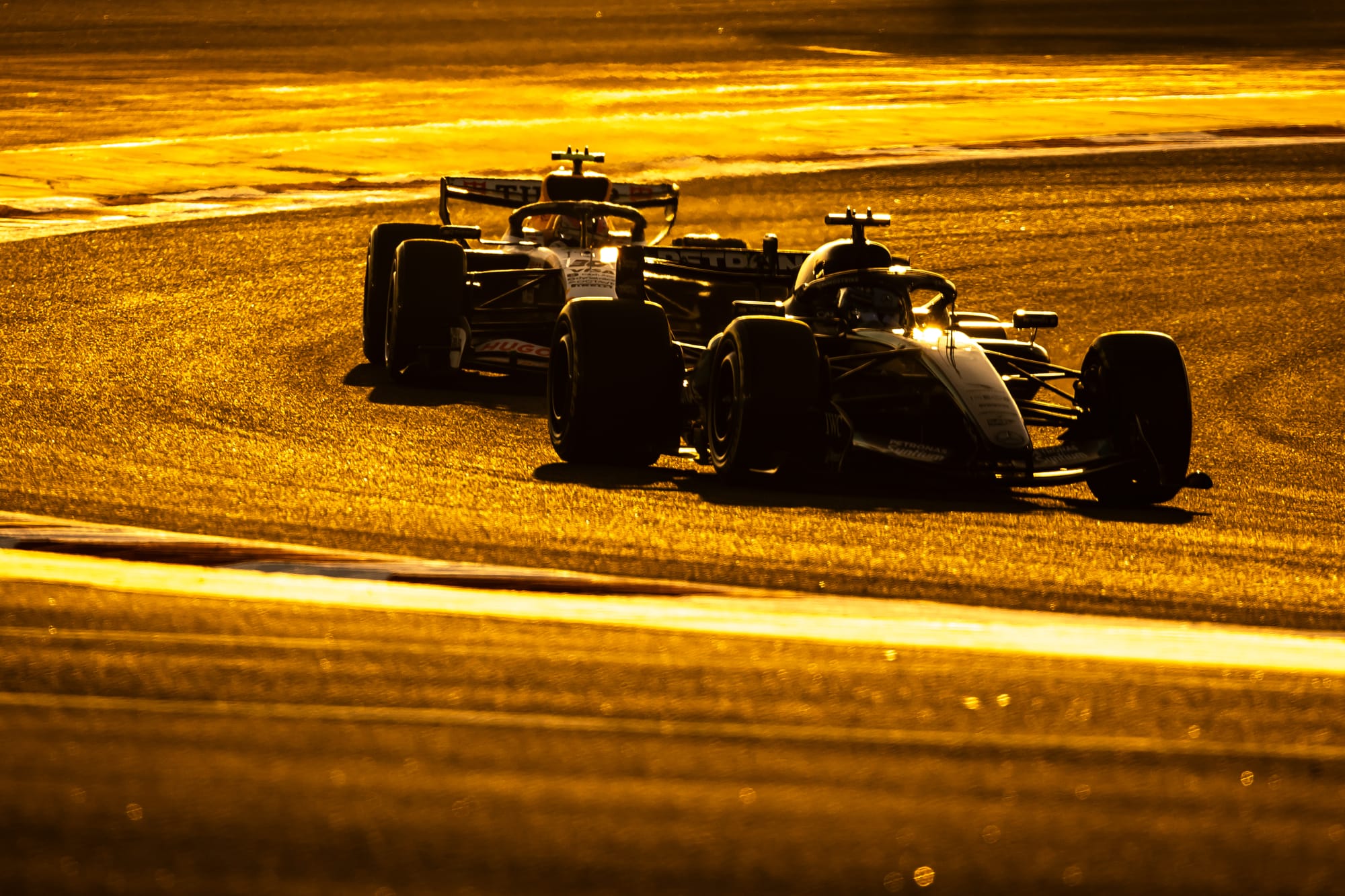
As this is a factor in qualifying, given the need to harvest while on a lap, it will be very noticeable to the watching world if cars are slowing on straights or effectively back from the limit in fast corners. Add to that the potential for chaos on the outlaps, and possibly prep laps, as drivers work to get the battery and tyres in the right window while also finding clear air, and there's the risk that qualifying might not be the spectacle it should be.
And it's also a track where overtaking has never been straightforward. There's already doubts about the effectiveness of the overtake button, which allows more full-power deployment towards the end of straights than the car ahead when it falls into the speed range where the electrical power is tapering off. Given the battery cost of using that, it's going to be unappealing at Albert Park.
F1 is also in need of a good spectacle, so ideally needs plenty of overtaking and incidents to start its new era. While it may get that, it's far from guaranteed.
Albert Park has delivered plenty of dramatic and storied races in its time, but it's also had numerous more mundane races. The less drama, the more focus there will inevitably be on the question of whether the drivers are being contained by the energy demands.
This is why the FIA is right to have warned against a knee-jerk reaction to the energy concerns. If Australia is a dramatic race then it will be far easier to resist that and across the early races build a more representative picture of what the on-track action is really like.
But if it's a flat race and the energy-management challenges are the main story, then it is likely that the pressure both from the outside world and in the paddock will be to make changes.
Unfortunately, Albert Park is a venue almost tailor-made to expose the weaknesses of the 2026 cars.