F1 2026's nine biggest questions
Never have we gone into the first race of a new Formula 1 season with so much uncertainty.
With all-new power unit and chassis regulations for 2026, there are some big questions to be answered.
It's not just the usual curiosity about the competitive order, but also concerning the very nature of the racing itself, with energy management such a crucial part of a car's performance, and just how big some teams' crises are.
So here's what we're most looking forward to finding out through the on-track action at the Australian Grand Prix.
How chaotic will race starts be?
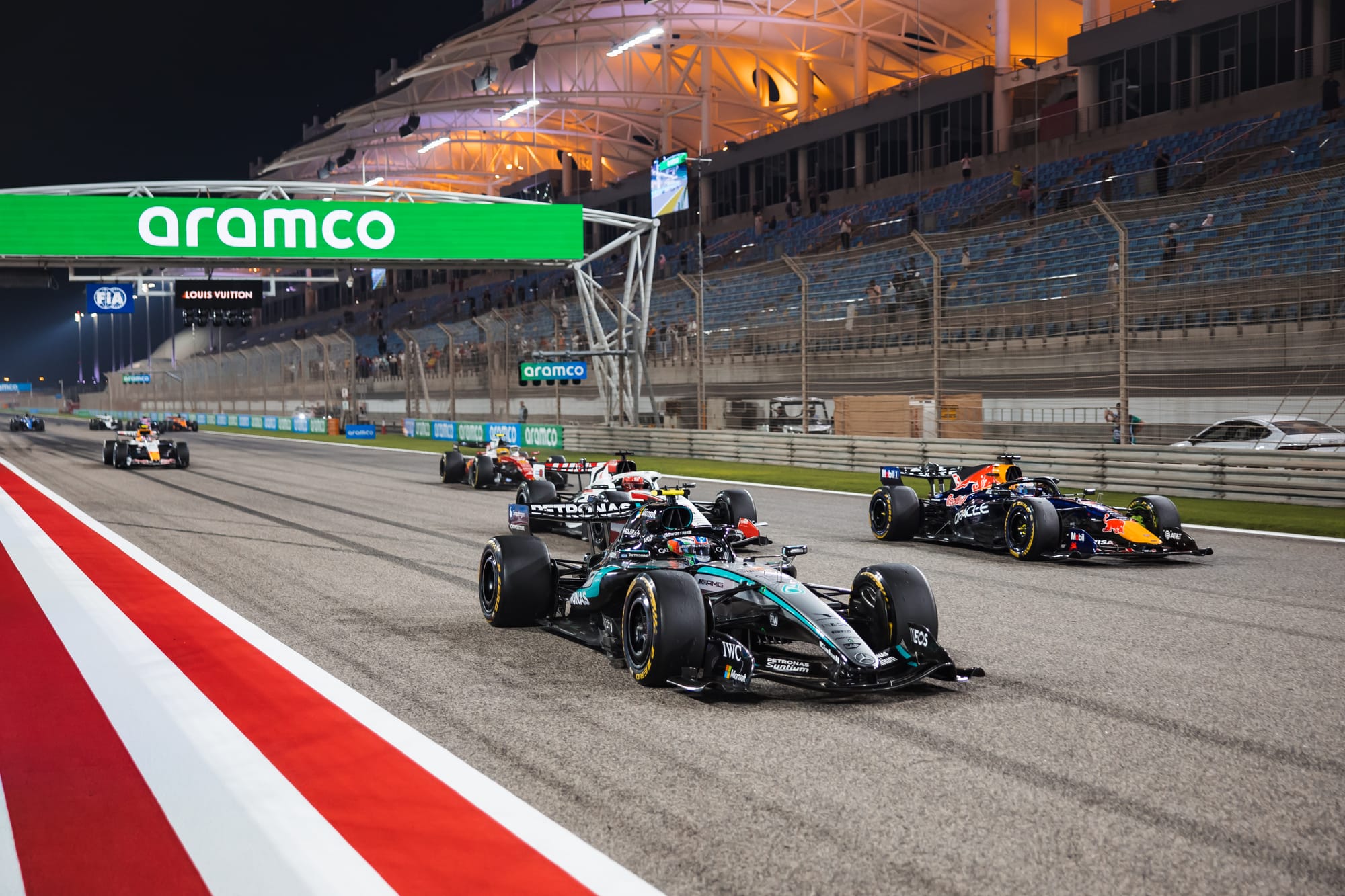
Significant progress was made in the final week of testing in refining race start procedures for the new 2026 cars and engines, and launches from the grid at least became less of a lottery.
But there remains a degree of inconsistency in how these cars get off the line. Drivers must judge how much to spin the turbo versus how aggressively to rev the engine without triggering wheelspin or bogging down in the launch itself.
That calibration is not an exact science. It differs from team to team because each engine has its own turbo characteristics and control philosophy. To that, you can add driver variability.
Testing showed that while procedures improved, helped by a five-second hold on the grid before the actual start procedure began, launches were not consistently repeatable at a high standard. And the difference between a good launch and a bad one was big.
Hopefully the worry of cars at the front barely moving and getting collected by rapidly approaching cars from the back of the grid is misplaced. And another safety improvement has come with the agreement not to use the low-downforce 'straight' active aero mode at race starts too.
One variable that will also change is that end-of-session practice starts in testing involved drivers on mixed tyre states: old, hot, and even different compounds. In a real race start, tyre preparation and compound choice will be far more uniform across the grid.
Even so, there will be concerns about potential chaos when the cars line up on the Albert Park grid.
How much was Mercedes holding back?
Forget Mercedes team principal Toto Wolff's claim that the Red Bull power unit was gaining a second a lap on the straights in Bahrain. Everyone in the paddock believes Mercedes will be ahead in Australia.
The question is, will it really be and, if so, by how much?
Mercedes trackside engineering director Andrew Shovlin insisted "the competitive picture still isn't truly clear" while accepting Mercedes has "put together a solid foundation to build from".
Of course, that could all be part of the usual game of managing expectations and hiding confidence. Qualifying will be the first test of that.
There's also a secondary question for Mercedes, which is its driver line-up. George Russell has won five grands prix and is desperate for his first shot at the title, and the Mercedes W17 should give him the machinery to do so.
But team-mate Kimi Antonelli will also be a threat, meaning that, even if Mercedes is a step ahead of the rest, there's still a battle to be fought at the front.
Is Ferrari a real threat?
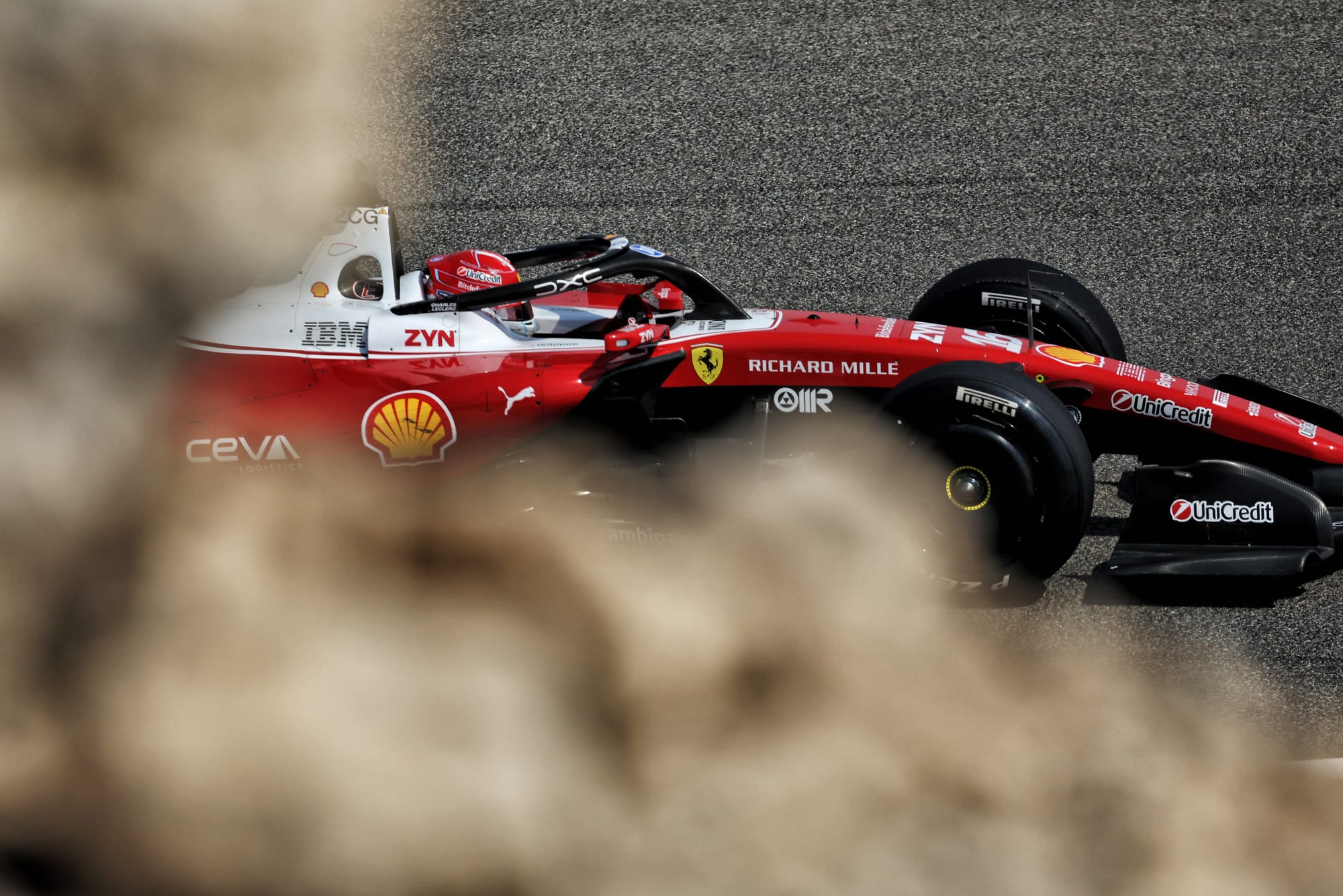
Charles Leclerc topped the laptimes in testing, although nobody in the F1 paddock believes Ferrari has the outright fastest package.
Australia will not only prove or disprove that perception, but also the belief that even if Ferrari is a little behind Mercedes, it is still going to be competitive.
Ferrari has been innovative. Its bold, adjustable rear wing design and the flow-conditioning wing above the diffuser caught the eye in testing, while the car itself looked increasingly convincing on track as testing progressed.
On top of that, the smaller turbo of the Ferrari means better response off the line - so even if its cars aren't at the front in qualifying, they might be by Turn 1.
Australia will reveal how good Ferrari's foundation really is for the new rules cycle.
How good is Red Bull's first F1 engine?
The first power unit produced by Red Bull Powertrains has been widely praised by rivals. That's not just part of the usual pre-season media games, but a genuine recognition of a job well done.
What's officially called the Red Bull-Ford engine caught the eye with its deployment efficiency early in the Bahrain test. Then, Max Verstappen in particular was taking an aggressive approach to downshifts that allowed the electrical harvesting to be maximised.
If the Red Bull power unit is strong in this area (even if it's not going to be a second better than Mercedes as Wolff suggested) then that's going to be crucial at an energy-poor Albert Park. Every fraction of a megajoule you can harvest more than your rivals is worth crucial laptime.
The dream debut would be to win. Red Bull didn't look quite strong enough to do that in Bahrain in testing, but don't rule it out in Australia.
How far detached is the midfield?
One of the clearest signals from the testing data is the impression that there's a gap between the top four teams - Mercedes, Ferrari, Red Bull and McLaren - and the rest.
Based on the unreliable evidence of the fastest times in testing, the midfield is 1.4 seconds off the outright pace and about three tenths off the top four.
The real picture in Melbourne is likely to be very different, but every team in that midfield group expects there to be a gap.
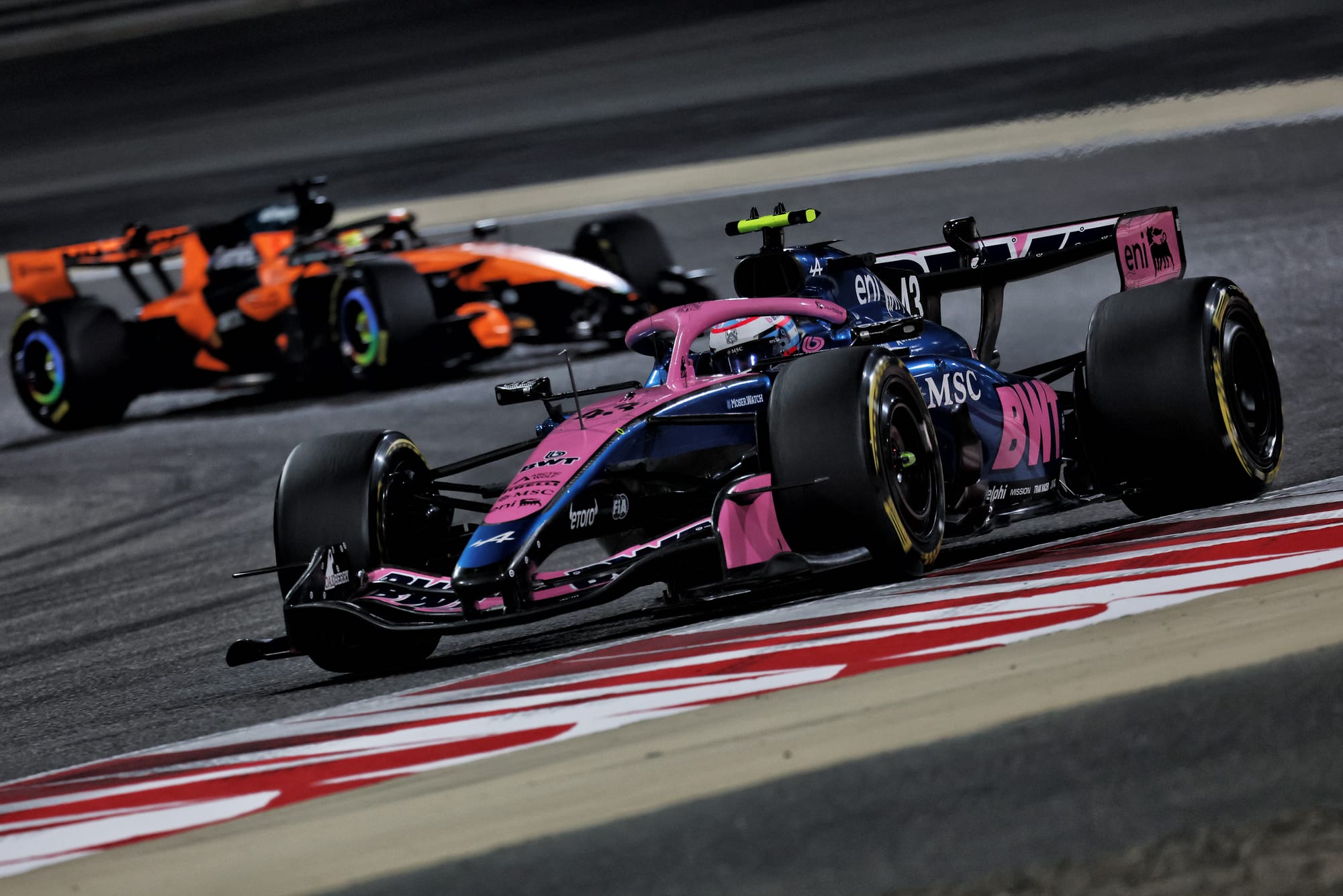
Testing suggests the teams best-placed to push into that gap and fight for Q3 places are Haas and Alpine. We had Haas fifth in our testing ranking and Alpine sixth, with Pierre Gasly and Ollie Bearman looking like the strongest midfield drivers.
Alpine will get a boost from the definitive-specification Mercedes power unit in Australia, and upgrades in a congested pack that also contains Audi and Racing Bulls could transform the picture, which will make the midfield scrap as intriguing as the one at the front.
Will energy management turn into farce?
The energy-management challenges of the 2026 F1 cars, with the constant need to charge and discharge the battery to deliver laptime, are well known. However, the harvesting equation in Australia is significantly more complicated than it is in Bahrain.
That's why FIA single-seater director Nikolas Tombazis said the Australian GP will be the "first real acid test" for these regulations.
That's because harvesting under braking is your first choice and Australia is one of the worst circuits in terms of the opportunity to do that. Only Monza and Jeddah are more difficult on this score. To put a number on that, according to data produced by F1 brake supplier Brembo, cars are on the brakes for around 18s per lap in Bahrain, but only 11s in Australia.
That's reflected in the fact that Albert Park, along with Saudi Arabia, Austria and Italy, will be run to the lower per-lap harvesting limit of 8MJ rather than the usual 8.5MJ.
Not that harvesting that amount is likely. Teams will work through free practice to establish the optimum approach for laptime. We're going to see plenty of the other means of harvesting - such as super-clipping, when you're at full throttle at high speed on straights but slowing owing to the amount of power that's being used to generate energy to store in the battery.
It's also going to impact qualifying, with chaotic outlaps and harvesting on flying laps on the cards.
The fans will decide whether the impact on qualifying laps and the race is negative or not - but if there’s the impression that drivers are on an economy run rather than racing, then a backlash is inevitable.
How much trouble is Williams in?
Williams logged plenty of miles in Bahrain after missing the Barcelona test because its car wasn't ready. The problem is, the FW48 doesn't look competitive even in the midfield group.
Its performance in Australia will reveal just how big a hole Williams is in, but based on testing it appears to be a top of Q1 car. As team principal James Vowles has said, Williams is on the back foot going into 2026.
The picture could be different once it has the definitive Mercedes power unit in Australia. But that won't change the fact that the car is not only overweight, but also has handling troubles with lock-up and balance problems evident throughout testing.
The weight problem is being worked on, but at best it will only be chipped away at before this weekend and is a longer-term mission. A different track configuration could help Williams find a better set-up window for a high-rake car that looks less compliant than rivals, but it can't count on that. There's also a question mark over its spares stores given the struggles getting the car ready.
It’s going to be a tough start for Williams. But exactly how tough remains to be seen.
Can Aston Martin finish the race?
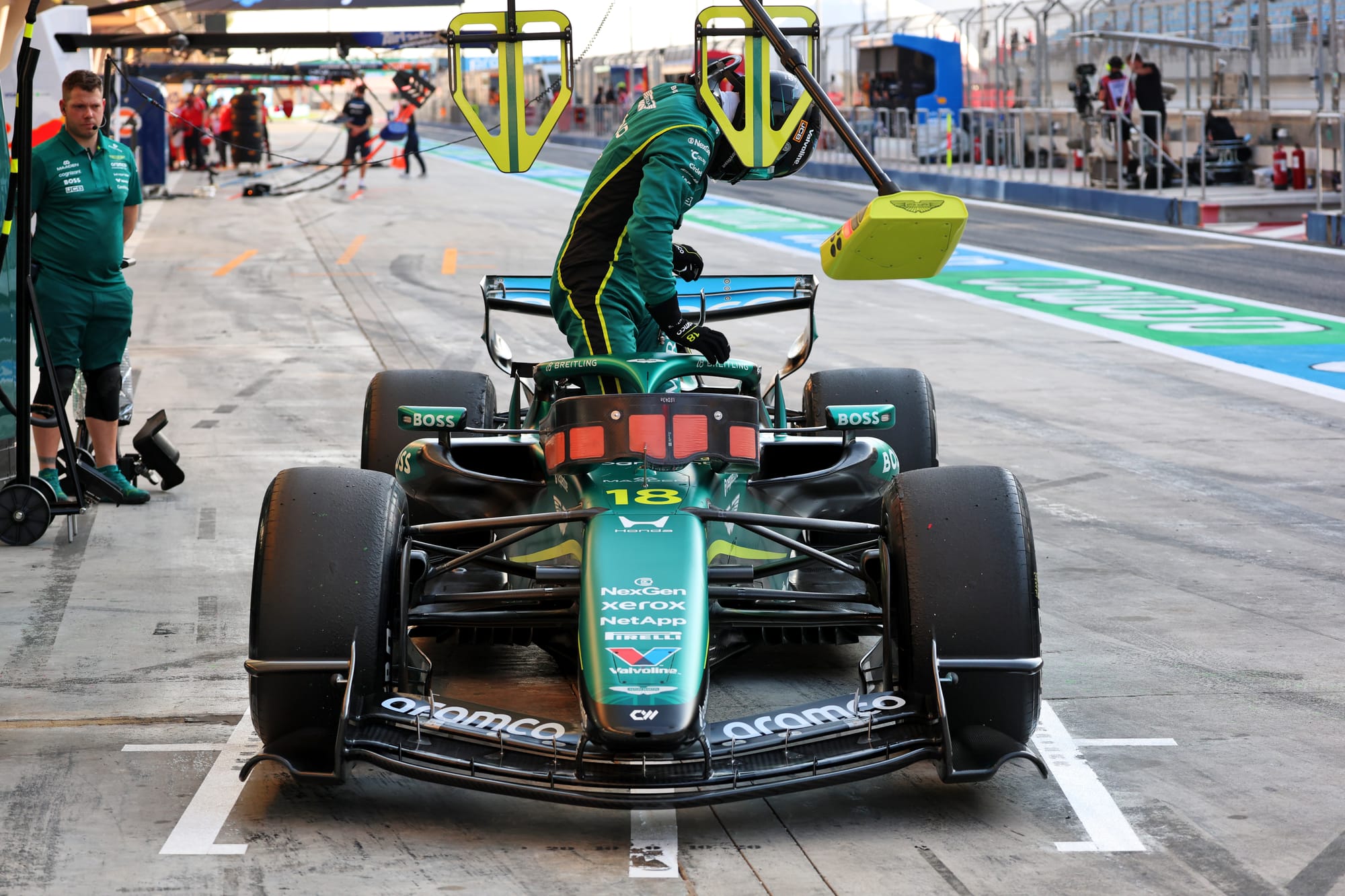
Aston Martin enters the 2026 opener surrounded by uncertainty but the most pressing question may simply be: will its cars reach the chequered flag?
Honda's reliability concerns were significant enough in testing that Aston Martin's cars would not have finished a race held at the end of the second Bahrain week. And not just because Honda was so low on parts by the end of the test that it wouldn't have had a second engine to use!
However, that snapshot - and claims about its intentions for Melbourne - must be treated with at least some caution. Between the end of testing and the Australian GP, there is time for improvement - most likely through the mitigation of problems, though, rather than outright fixes.
The real unknown is how much inherent fragility remains in the physical package. And even if reliability improves enough to complete a race distance, there may be performance compromises.
Running the engine in a detuned or protective mode could leave Aston Martin vulnerable on pace. That opens the door not only to embarrassment relative to established rivals, but even to new team Cadillac, either through outright performance deficits or simple attrition.
The central issue is mileage. Aston Martin sorely lacks it, and Australia must serve as both a race weekend and a continuation of testing.
Which drivers are actually on top of these cars?
The 2026 cars introduce fresh driving demands but in testing we actually learned very little about who is coping best with that.
Because so much focus was placed on understanding power unit behaviour and energy deployment strategies, drivers were a secondary storyline. Some patterns emerged, they just weren't particularly clear.
At several leading teams, there appeared to be splits in early comfort levels. Verstappen looked more immediately at ease in the Red Bull than Isack Hadjar; unsurprising right? But at Ferrari, Lewis Hamilton initially appeared less comfortable than Leclerc, ditto Oscar Piastri at McLaren versus Lando Norris and Antonelli compared to Russell.
As testing progressed, those gaps appeared to narrow. That could indicate adaptation, with drivers learning the demands of the new systems, but it may also reflect the benefit of six consecutive days at the same circuit, allowing experience and reference points to accumulate.
Race weekends won't offer that luxury. Limited practice time means those who are naturally more comfortable with the 2026 characteristics may enjoy an early-season edge.
Melbourne will give us the first real answers. By qualifying and the race, we'll see which drivers are genuinely on top - and who is struggling.