Another unforeseen headache set to be a theme of F1 2026
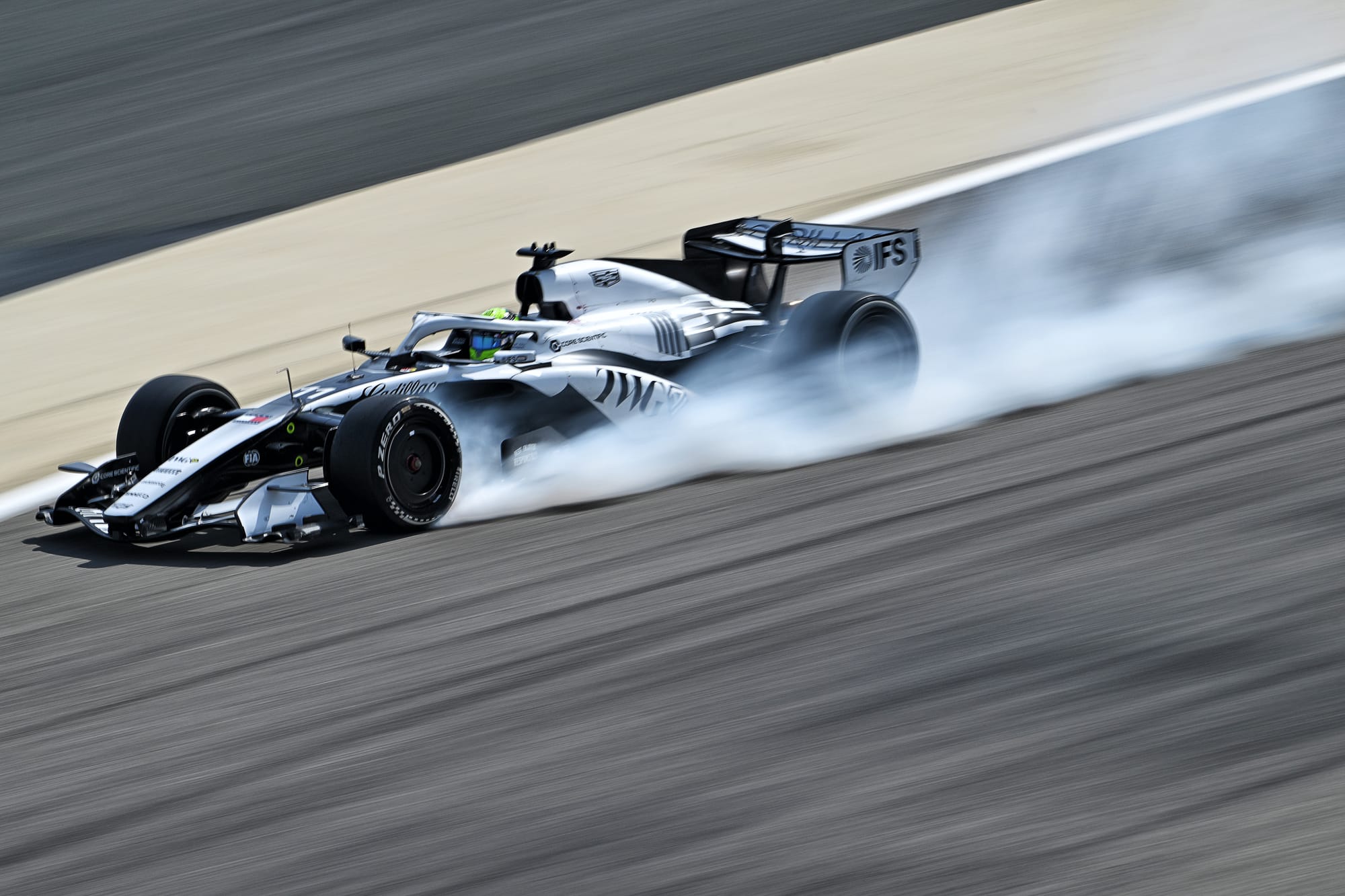
Formula 1 has rarely seen as many lock-ups as it witnessed over the two weeks of testing in Bahrain.
From the increased rear-end instability and uncertainty caused by inconsistent deployment levels that triggered recurring offs at the tight Turn 10 left-hander, to the spectacular front locking that became all-too frequent at Turn 1, it is clear that F1's new 2026 cars are a big challenge under braking.
Thanks to the huge increase in harvesting ability for the MGU-K, up from 120kW last year to 350kW, teams and drivers now rely much more on regenerative braking to slow the car than the more traditional dissipative brake discs - which convert the kinetic stopping force into heat.
While this shift ticks the box in ensuring that energy harvesting is maximised to boost battery power levels, it has triggered some unintended consequences that teams are having to get their heads around.
And this is why the dramas seen in Bahrain may, according to the Brembo brake company that works with all the teams, become a bit of a theme early in the year.
New demands and new lines
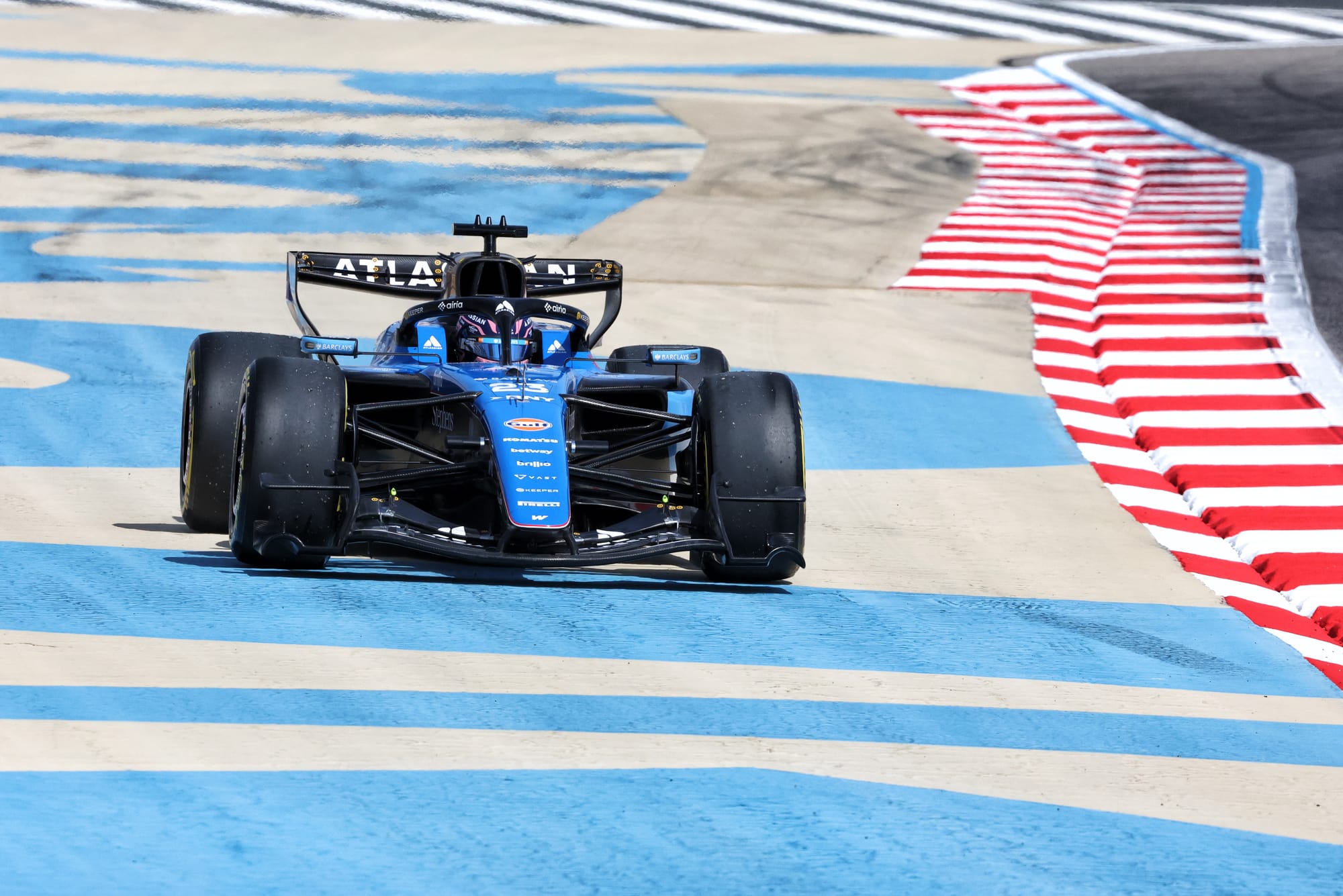
Several elements have come into play that are making the change in braking difficult for teams and drivers to get their heads around.
One is that the entire process of braking, and what a driver wants from their car as they slow for a corner, has changed completely.
It's no longer about having as much stopping power as possible in a straight line, a smooth transition into the corner and then a focus on keeping the minimum speed as high as possible.
Instead, drivers are having to be more brutal on the approach - and even going down gears lower than ever before - to help boost the regenerative power. This is impacting racing lines through the turns as well.
As Brembo's chief operating officer Mario Almondo told The Race: "We saw a lot of cars using first gear in some corners instead of what used to be third gear. Just from this data, we can understand that wow, it's completely different.
"Also the trajectory [of the cars] is very different. The entry direction is different, and the use of the kerbs is different. It's a very fuzzy situation."
But there is a bigger headache that has emerged too, and it's one that could trigger a complete rethink in the approach to the fundamentals of dealing with brake temperatures.
From too hot to too cold
After years where the challenge has been keeping the heat of the rear brake discs under control (especially because this also helped with tyre temperatures), now the situation is reversed and the issue is brakes getting too cold.
What the evidence of Bahrain testing shows is that the greater use of harvesting to slow the car down means the rear brake discs aren't being used enough to keep heat in them. They are running cold.
The situation has been further compounded by the cars being lighter and slower than the previous generation, so the energy levels being put through the brakes are on average around 20% less than before.
The end result is that when the drivers do need to call upon dissipative braking to slow the car down, the discs aren't up to the right operating temperature.
And that means a greater risk of the cars not slowing down enough, or the front brakes that are warm biting a bit more - and causing lock-ups.
Almondo explained: "We have a situation that will be for us a theme for at least the first part of the season.
"The rear axle brakes are going very, very, very cold. And when I say very cold, it is something that is not ideal for the carbon material.
"This material is fantastic: it is light, stiff and the friction is amazing. But you have to respect the minimum bandwidth of temperature - and when you go this cold, the coefficient of friction can vary.
"This can trigger some strange behaviours, and has left teams thinking about how to keep the rear axle brakes at the minimum temperatures."
The issue is affecting teams differently depending on how they have approached the philosophy of their rear brakes.
As The Race revealed last year, there is a divide down the pitlane in terms of the size of rear brake discs teams have elected to run based on their predictions for the demands being put on them.
Some have gone small, thinking that they do not need to worry about the brakes overheating. Others have gone bigger because they were more cautious about temperatures.
So how much of a problem cold temperatures will be will likely depend on the level of aggression that teams have adopted.
Almondo added: "Some teams have been, let's say, calculating, and dealt with the dimensions of the rear axle dissipation in quite a good way. They are, I have to say, spot on.
"Others have been aggressive, and at least a couple of others have been quite conservative.
"We are working with every team, because not everybody was spot on, in order to modify the profile of friction. We are considering also some changing of the hardware."
But despite the evidence of the opening tests that points to those who have been too conservative risking problems from their brakes being too cold, there is a word of caution against switching to a more aggressive solution.
With so much still to learn about the 2026 cars, it may well be that they are nowhere close to their maximum pace potential.
So, when their true performance is unleashed over the early races, the picture could change completely. It could mean those that appear to have played it too safe right now may well be correct.
Almondo said: "For those that were appearing to be too generous in terms of dimensions, one of our suggestions was let's wait three or four grands prix and see where the performance will end up.
"Otherwise the risk is we start working in a direction that probably is not the right direction, considering the evolution that could take place early in the season. And vice versa: those that are too light, or too aggressive, it could be a problem."
A goldmine of knowledge
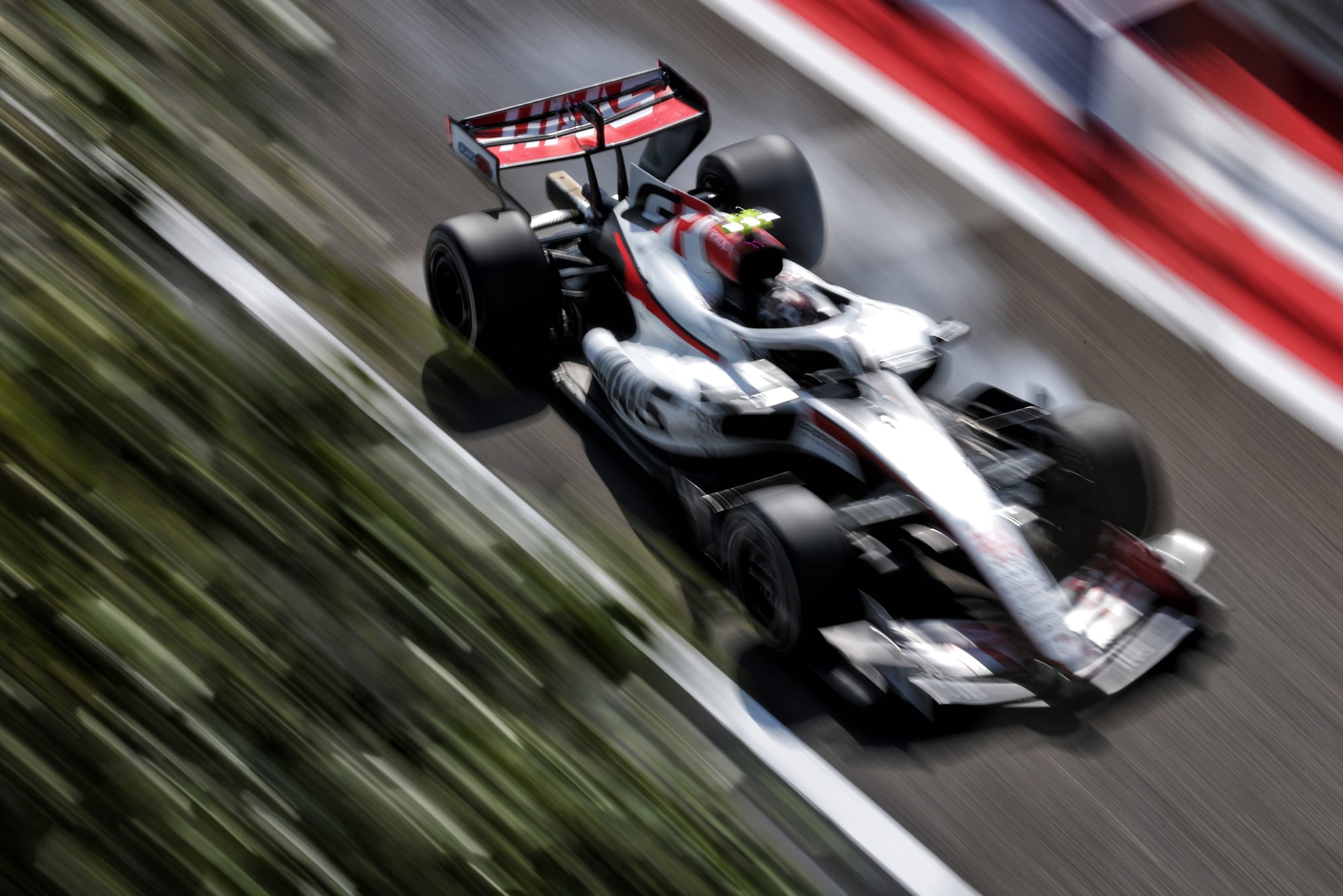
Almondo had no doubts that the ever-resourceful teams will all quickly get on top of things over the early phase of the year so the right approach is settled upon, even if there may be some stumbles in the early races.
"From the Barcelona [shakedown] to Bahrain [test] two, we saw a lot of progress," he said.
"Talking with some teams, they said that they are not so worried because they think with the optimisation that they see, they reckon in three or four, or maybe even six, grands prix, they will be under control."
This may point to some challenges in the short term, but what Almondo said would be especially interesting is how much the understanding of blending regenerative braking with dissipative braking is going to be fast-tracked over the next few weeks.
"We are, let's say, in a reaction mode, because it's difficult when you're blind and you do not know what's in front of you," he explained.
"So you have just to be very quick and ready to react. And this is the spirit that is motivating us in this period.
"But it's a very interesting phase. As an engineer I'm quite excited, because we are learning a lot.
"I'm sure that in three years' time, which is the minimum time of these technical rules, everybody in F1 will have a much deeper and sophisticated understanding of how to blend electrical braking with dissipative braking work. And this is for us a goldmine."