Australian GP's main active aero zone scrapped hours before FP3
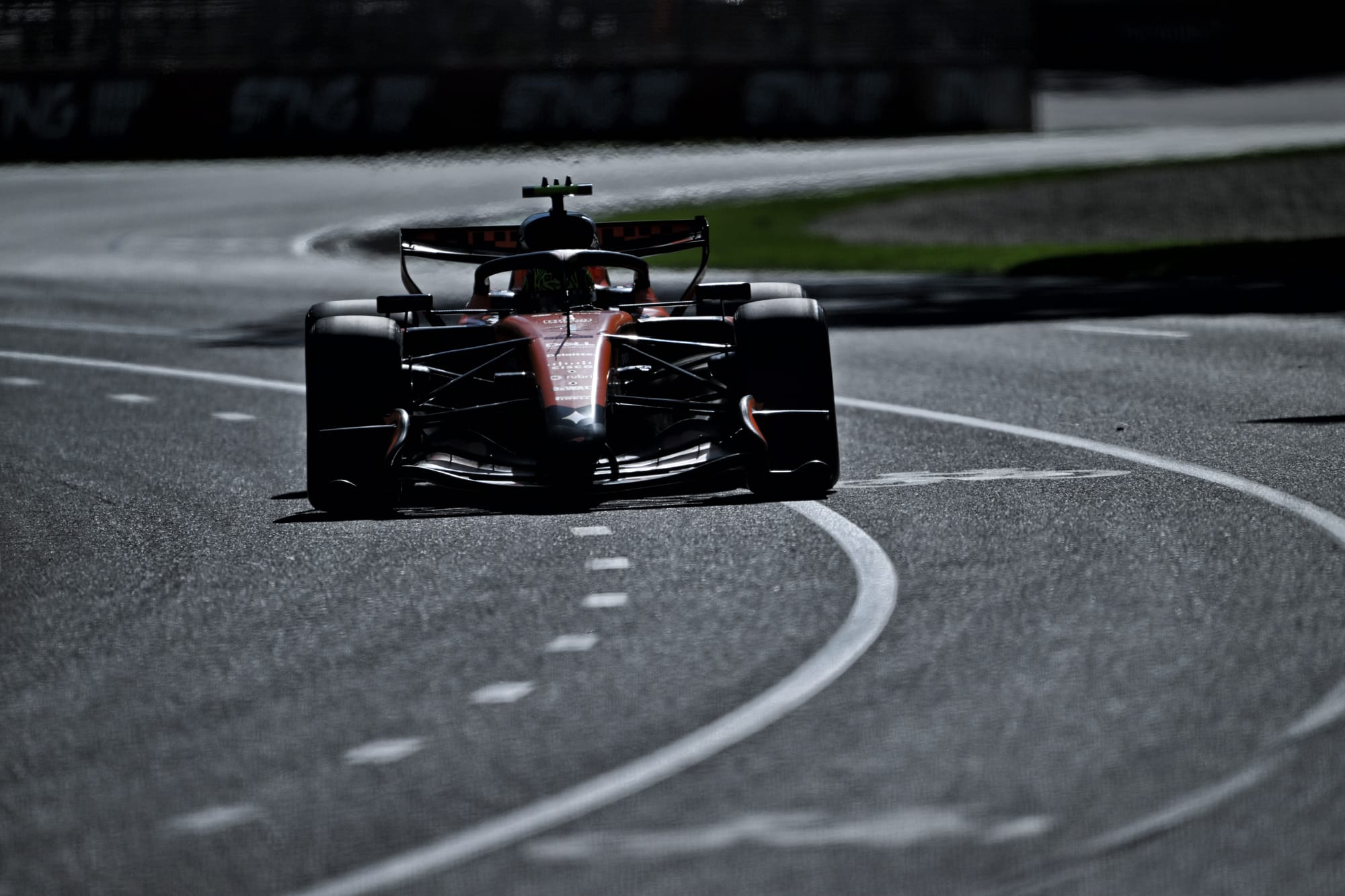
Formula 1 teams have been thrown a major and unexpected curveball at the Australian Grand Prix after the FIA scrapped one of the five active aero zones ahead of final practice.
For the season opener at Albert Park - the first race of F1's new rules era - the FIA had elected to allow straight mode to be activated in five areas of the track.
Three of these were on standard straights: the start/finish straight; the run from the first chicane to Turn 3; and the run from Turn 10 to 11.
However, in addition to a short burst between Turns 5 and 6, the FIA also elected to have one that ran from the exit of Turn 8 to the high-speed Turn 9-10 Esses, which weaved through some of the fast sweeps at the back end of the circuit.
While the FIA's simulations ahead of the weekend suggested that having a low drag mode there would be straightforward for cars, that has proved not to be the case for everyone.
And following complaints from some drivers in Friday night's drivers' briefing, where they felt there were safety risks to running with straight mode in that section - especially when following other cars - the FIA has elected to make a change.
On Saturday morning, with just a couple of hours to go before final practice, the FIA informed teams that the entire straight mode zone would be deactivated.
While the FIA said it had to act on safety concerns, its decision has triggered kickback from teams because it will effectively force them to scrap a lot of the set-up work they have done with their cars so far.
Losing the low-drag running in that area of the track not only has huge implications in terms of energy deployment - as the battery will now be depleted more - but it will also impact tyre pressures and ride heights because the cars will now be pushed more into the ground.
This will open the risk for increased plank wear, which puts teams in danger of disqualification.
One team source told The Race: "This is like a football referee changing the size of the goalposts at halftime."
The FIA's single-seater director Nikolas Tombazis accepted that the decision would not be welcome by teams, but he insisted that the governing body had to act.
"It is reasonably significant as a change, because teams have to adjust their set-ups of the cars," he said.
"They have been running Friday in one condition, and they now need to make adjustments. So I'm sure there will be some who are not happy about that.
"But we feel that obviously, trying to put safety first, we think that's the most responsible course of action for this weekend.
"It's important to note that this was instigated from listening to the drivers. Some of them expressed that concern yesterday in the drivers' meeting Friday night. And of course, we want to start this on the right foot."