The man and method behind Aston Martin's huge F1 commercial growth
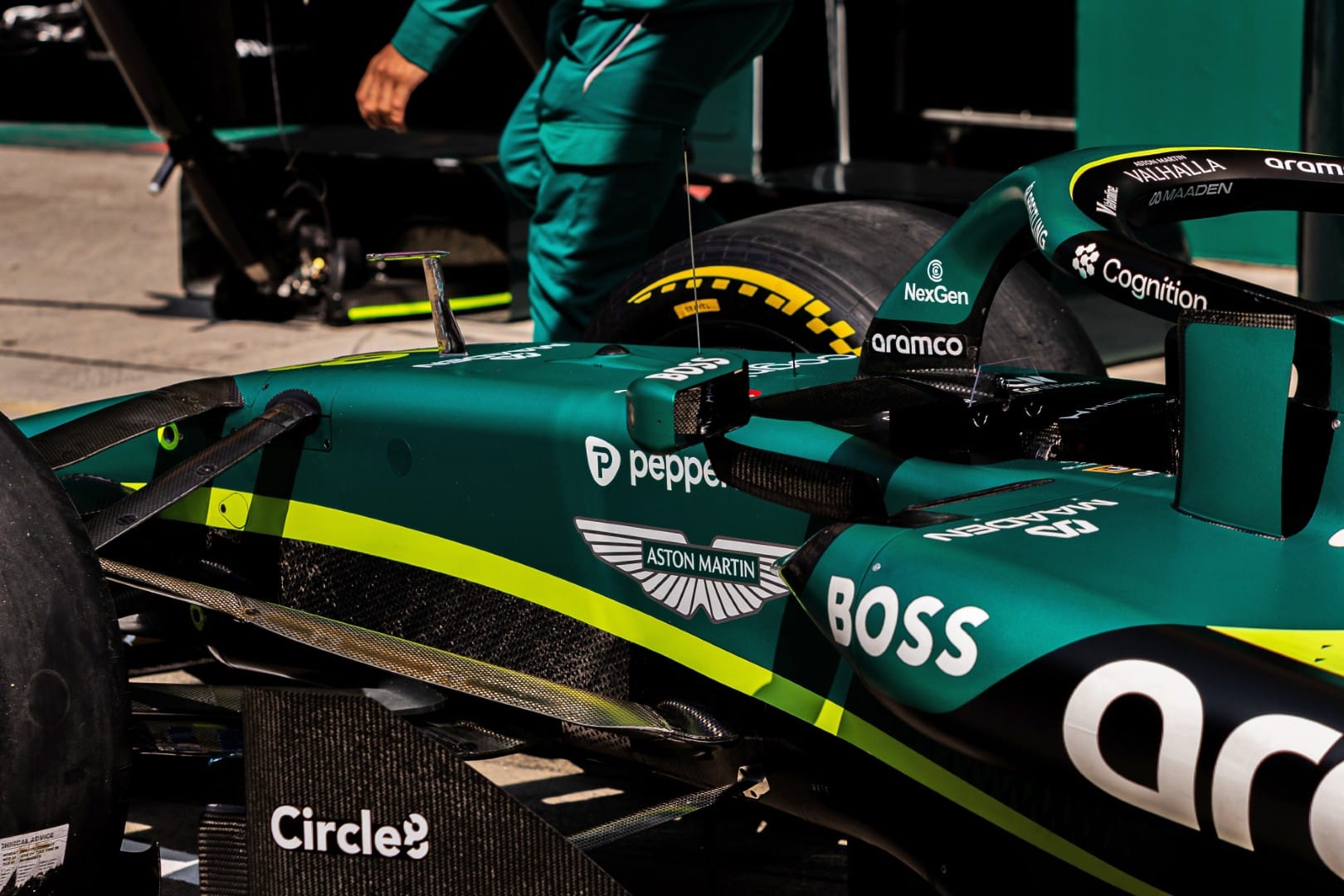
Through Jefferson Slack’s journey to Formula 1, he worked with Michael Jordan, became the first American CEO of a major European football team, and steered prestigious agencies Wasserman and IMG.
Now, as managing director of commercial and marketing at Aston Martin F1 Team, Slack has overseen the Silverstone squad’s rise in valuation to over $3bn USD, with a combined market cap of $3tn across its partners.
The Race spoke to Aston Martin’s commercial chief to find out if he’s taken any lessons from the US to Europe, how to keep partners happy, and whether Aston Martin’s current predicament hampers its partnership efforts.
NBA to Serie A to F1
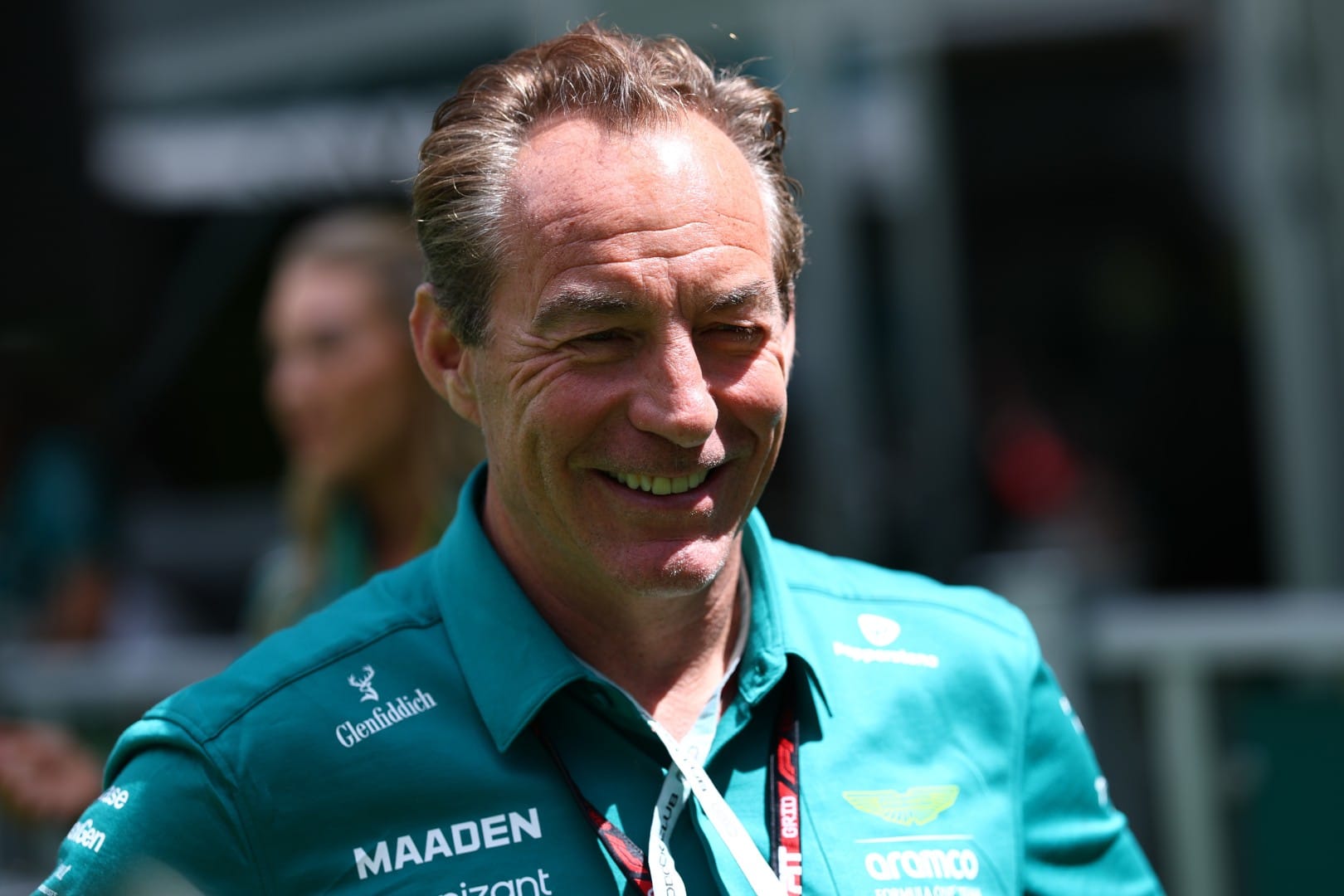
Slack’s big break in sports marketing was with Proserv, the agency that turned NBA legend into a marketing powerhouse - one of the first athletes to become a standalone brand.
Although this was after Jordan’s first momentous Nike marketing deal was struck, Slack and Proserv “evolved” Jordan’s marketing activities and cemented the model that made the NBA player the most successful athlete of his era.
“But it wasn't just that,” continues Slack, “it was seeing the way the NBA worked and the way that you approach sports as a business, as a marketing platform."
After working with Jordan, Slack imported the expertise from the American sports business model to European soccer, as he became CEO of Inter Milan in 2000.
“I was the first American to come over and run a European football club - and now there are lots of us. And that led me to about 20 years in the football space. So, which was a great place to be, just really fascinating.”
After leaving Inter in 2004, Slack joined IMG and then became Wasserman’s senior vice president, football, in 2011. He would dip in and out of football and other high-level sports marketing before becoming Aston Martin’s managing director in 2020.
‘No brand by definition’

In 2020, when Lawrence Stroll brought British marque Aston Martin back into F1 after more than six decades, he entrusted Slack to grow the team’s fortunes in F1.
"Well, look, Lawrence Stroll is a brand genius. Look at his history and where he's made his money. And that's what attracted me, it was that we were going to become Aston Martin,” reflects Slack.
“In our case, we went from the ‘no brand by definition’, because Lawrence had used Racing Point as a placeholder, to probably one of the two most iconic brands in motorsport in terms of luxury.”
Slack says the crucial growth of the team’s commercial and marketing department, which numbered “five people or so” in 2020, to over 100 in 2026 has enabled Aston Martin to chase commercial success.
“If you went back to 2020, where we had the smallest commercial programme on the grid, we had a lot of space in the car to fill up, and we were fortunate enough, the first year we were Aston Martin, to do eight or nine partnerships. And so we built on that.”
Aston Martin’s meteoric valuation

In 2025, Forbes valued every one of the F1 teams at more than $1.5bn USD, with Aston Martin valued at $3.2bn. It’s a far cry from the Silverstone team’s Racing Point days, which themselves came after the tumultuous end to the Force India era.
Title partner Aramco and mining firm Ma’aden, alongside more consumer-facing brands such as Celsius and Breitling, have spearheaded this growth. Most recently, Canadian AI company Cohere joined the team’s partnership list.
“We've been waiting for the right partner for that. They're a Canadian-based company. We're a Canadian-owned team. They're in exactly the right sweet spot.”
The goal, when it comes to F1 partners, remains constant: driving revenue in an ultra-competitive marketplace, increasing brand awareness and, of course, entertaining clients.
“And if you don't, you can understand, there are businesses spending millions and millions, tens of millions, sometimes hundreds of millions on the project - you better deliver. The flipside is if you are a large global business today, what's a better annual sport to be involved with?”
‘Formula 1 gets you global’
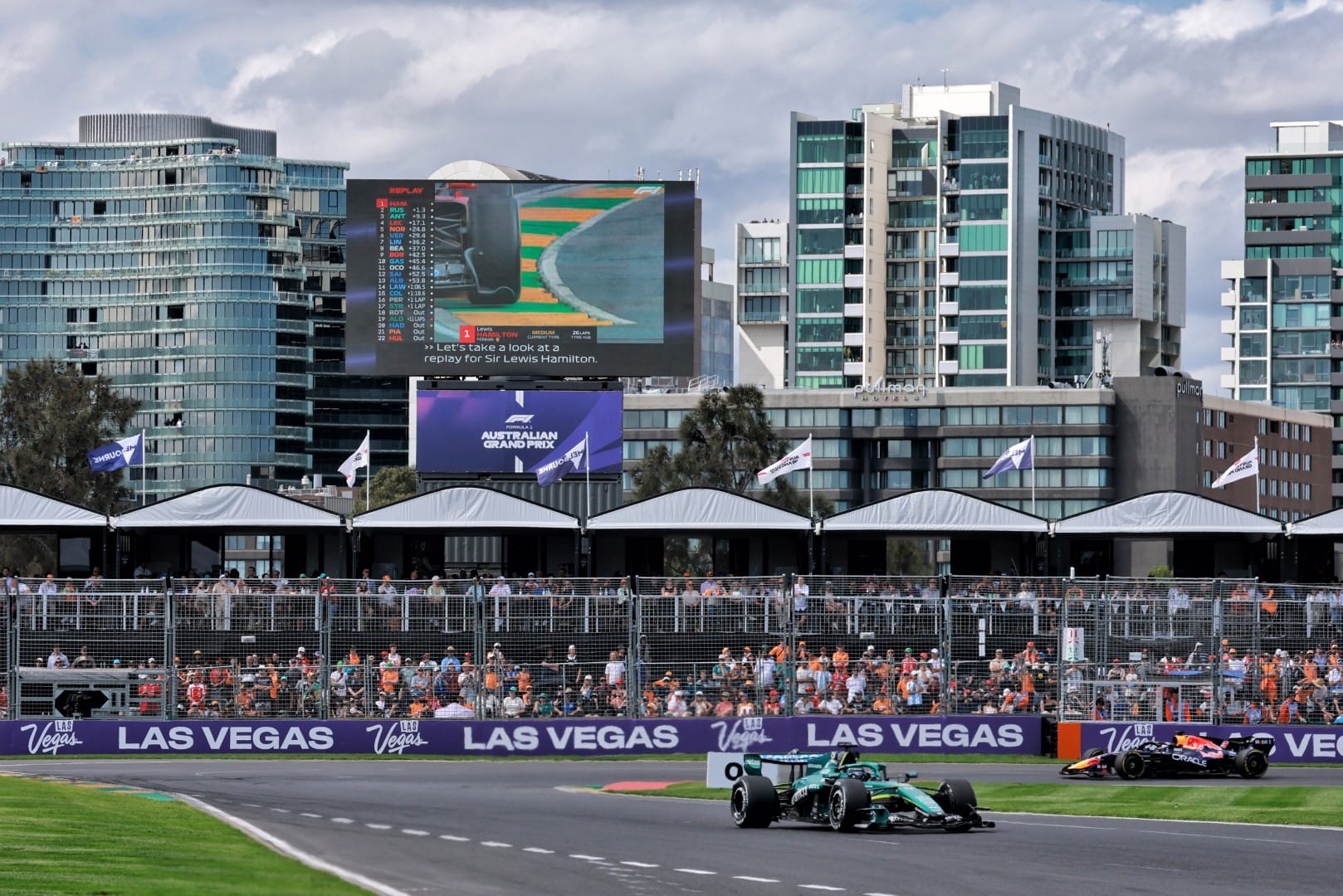
Slack says that F1’s global growth has provided the key to opening up more partnerships to F1 teams.
“I'm an American, I love American sports, I'm blown away by how sophisticated they are, but the NFL is American, Major League Baseball is generally American, basketball is a little more international, but that's not going to get you global. Formula 1 gets you global: 24 races.
“People often talk about Drive to Survive, the F1 Movie cracking the US market, which is absolutely fundamental, and there are three fantastic races there now.”
Slack adds that macroeconomic factors have driven AI and technology companies towards the apt destination that is F1.
He does, however, deny that F1’s sweeping rules change for 2026 has catalysed interest.
“From a corporate commercial standpoint, we’re just saying, ‘Is this sport continuing to grow? Will it continue to achieve the objectives that we have?’”
On-track performance vs commercial success

Motorsport has long shunned the ‘win on Sunday, sell on Monday’ adage. In fact, Slack denies that Aston Martin’s well-documented struggles in 2026 have so far affected its commercial success.
"We have a project, a kind of 10-year plan, and we're about five years into it. Lawrence has mapped that out,” says Slack.
“I think performance doesn't hurt, but performance isn't the only way to do it.
“We take pride in trying to be the best at the various components that we can bring to the partnerships.
“So far, that's helped us become very successful, and we've grown beyond any projections that we had.”
With a wry smile, he concludes: “So, I don't think you have to have performance to do well commercially, but it would be nice.”