Opel launches Formula E entry
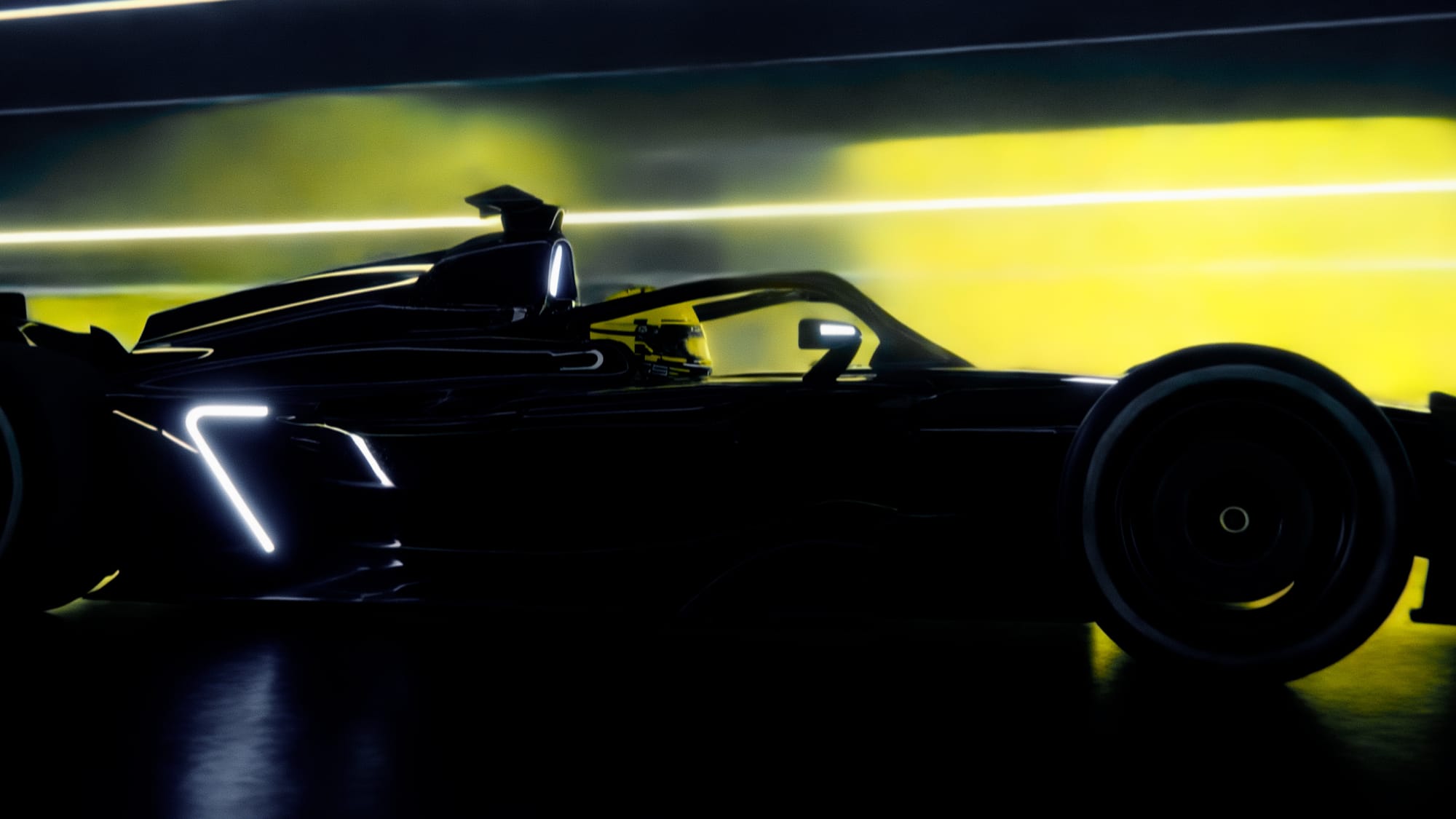
Opel will enter Formula E next season under its own entry licence and will become the third German-entered squad in the all-electric world championship alongside Porsche’s brace of factory teams.
The Race revealed the Stellantis owned brand’s interest in Formula E last April. Opel is now set to build on its significant motorsport heritage with its electric programme, which has been devised to emphasise its EV credentials globally.
An entry licence for Opel was secured several months ago with The Race understanding that the specific licence can be traced back to the one that was vacated by the Techeetah concern at the end of the 2022 season, although there is no direct link to that previous entity. As a result, the Opel Formula E Team will be the first-ever factory Stellantis standalone team.
Should the Penske team continue for the Gen4 era after current partner DS's exit, Opel’s arrival on the grid means that, in addition to Porsche’s second factory team - which acquired the licence submitted back to Formula E by the now-defunct NEOM McLaren squad - Formula E will have a 24-car grid next season.
The programme was officially confirmed at Jarama today in a press conference which was fronted by Opel CEO Florian Huettl and Formula E CEO Jeff Dodds.
Opel has some history of single-seater racing, notably the popular GM Opel Euroseries junior series, which ran between 1988 and 1999 and counts Mika Hakkinen, Rubens Barrichello and Pedro Lamy among its champion alumni.
It was also proficient in Formula 3, the International Touring Car Championship and DTM in recent decades and supplied engines to various F3 series until 2008.
The Opel Formula E team will be fronted by its head of motorsport, Jörg Schrott, who has visited several E-Prixs since 2025. He joined Opel in 2012 and has overseen all of the manufacturer's motorsport activities since then, primarily in the European Rally Championship.
Schrott told The Race at Jarama today that Opel had been “thinking about joining Formula E about two years now” and that the brand thought that Gen4 was “the right moment in time to join because Formula E is a perfect fit with our strategy, moving towards electric mobility, sustainable electric mobility.
“Formula E is a new milestone, connecting to our GSE [Grand Sport Electric] performance brand,” added Schrott.
“Motorsport has been an integral part of Opel's DNA forever.
“Over the last five years, we led the past in electric rally sports where we did something no one, no other manufacturer, has done and was a true pioneering achievement. And with this experience in electric racing, it was an ideal transition to go now to the next step and join Formula E.”
Opel’s commitment to electric cars came several years ago stating that it would sell only battery-electric cars in Europe from 2028. But like many brands, Opel has since modified its targets and will continue to produce combustion engines models too.
Opel cars are modelled on Stellantis’ regular multi-energy platforms with several born from older combustion platforms then adapted for electric drive. Examples of these are the e-CMP, which platforms the Corsa Electric and Mokka Electric models. It is also increasingly developing cars designed ‘from the outset for multiple drivetrains, such as the Grandland Electric based on STLA Medium'. All Opel models are now available with a battery-electric variant in addition to combustion engines and/or hybrids.
The brand has a heritage of electric engineering innovation as it was created in 1968, the Kadett B Stir-Lec, which featured the “range extender” that would later go into production with the Opel Ampera.
In 1971, Georg von Opel, the grandson of the company founder, broke six electric vehicle world records at the wheel of an 188 km/h Opel Electro GT model.