Honda's painful timeline for improving its F1 engine explained
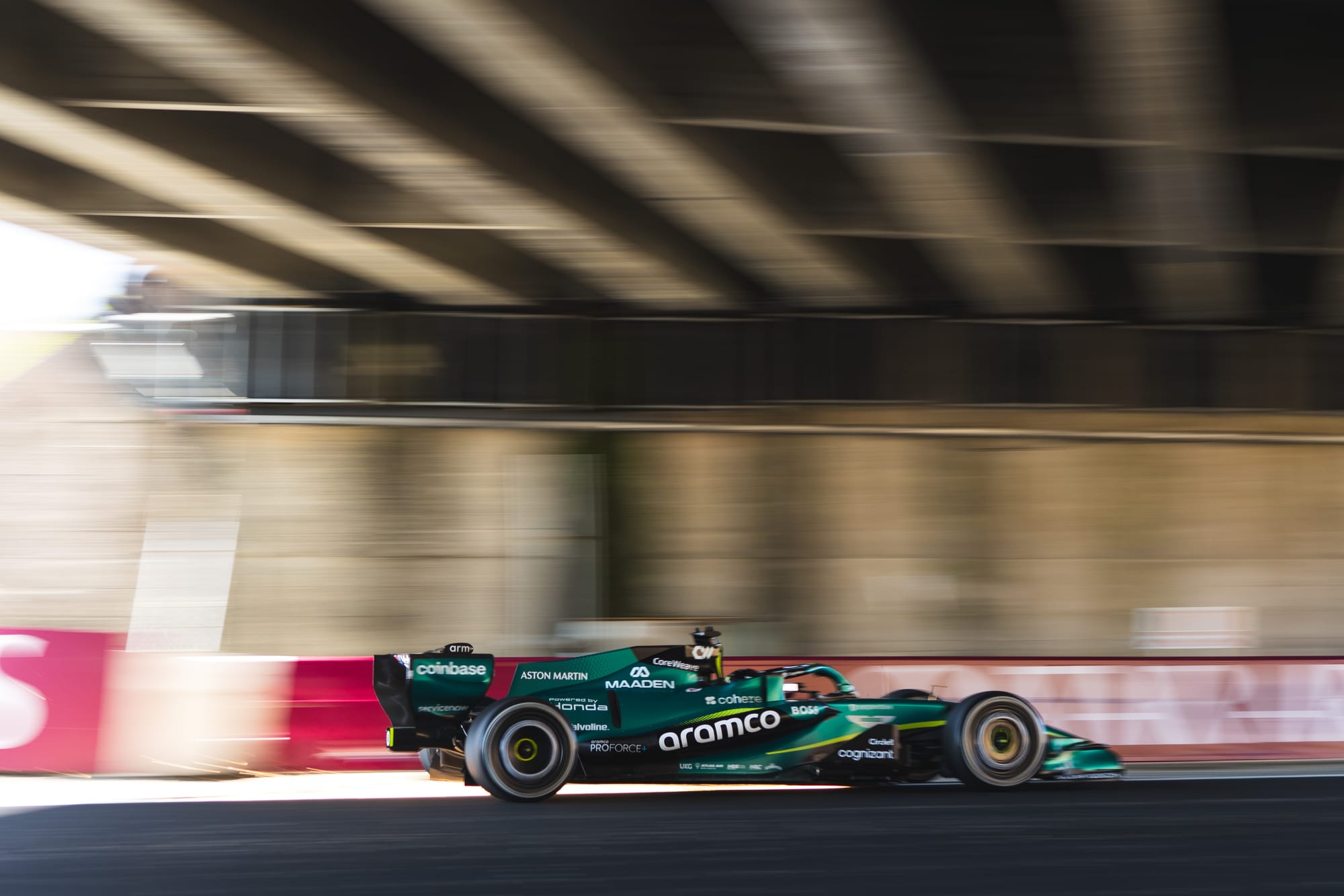
Honda has started background development work to improve its underpowered Formula 1 engine while prioritising early reliability fixes, but bringing a meaningful performance upgrade is not a "short-term" job.
Aston Martin and Honda's works partnership has had a terrible start to 2026 with just one classified finish for one car across the opening three races and a humbling home grand prix for Honda in Japan where the team was the slowest of all in qualifying.
Honda's engine is underpowered and barely becoming reliable which, combined with Aston Martin's own struggles on the chassis side, has left the new collaboration falling well short of its lofty expectations and potential early on.
The exact Honda deficit is unknown as not only is Honda's internal combustion engine power output understood to be down, its inefficient battery usage limits how much it can deploy the MGU-K and recharge across a lap.
In qualifying at Suzuka, Aston Martin was 20-30km/h down on rivals on the longest straights in the first two-thirds of the lap, and the engine may have played a part in a very underwhelming sector one as the MGU-K was not being used from Turns 3 to 6.
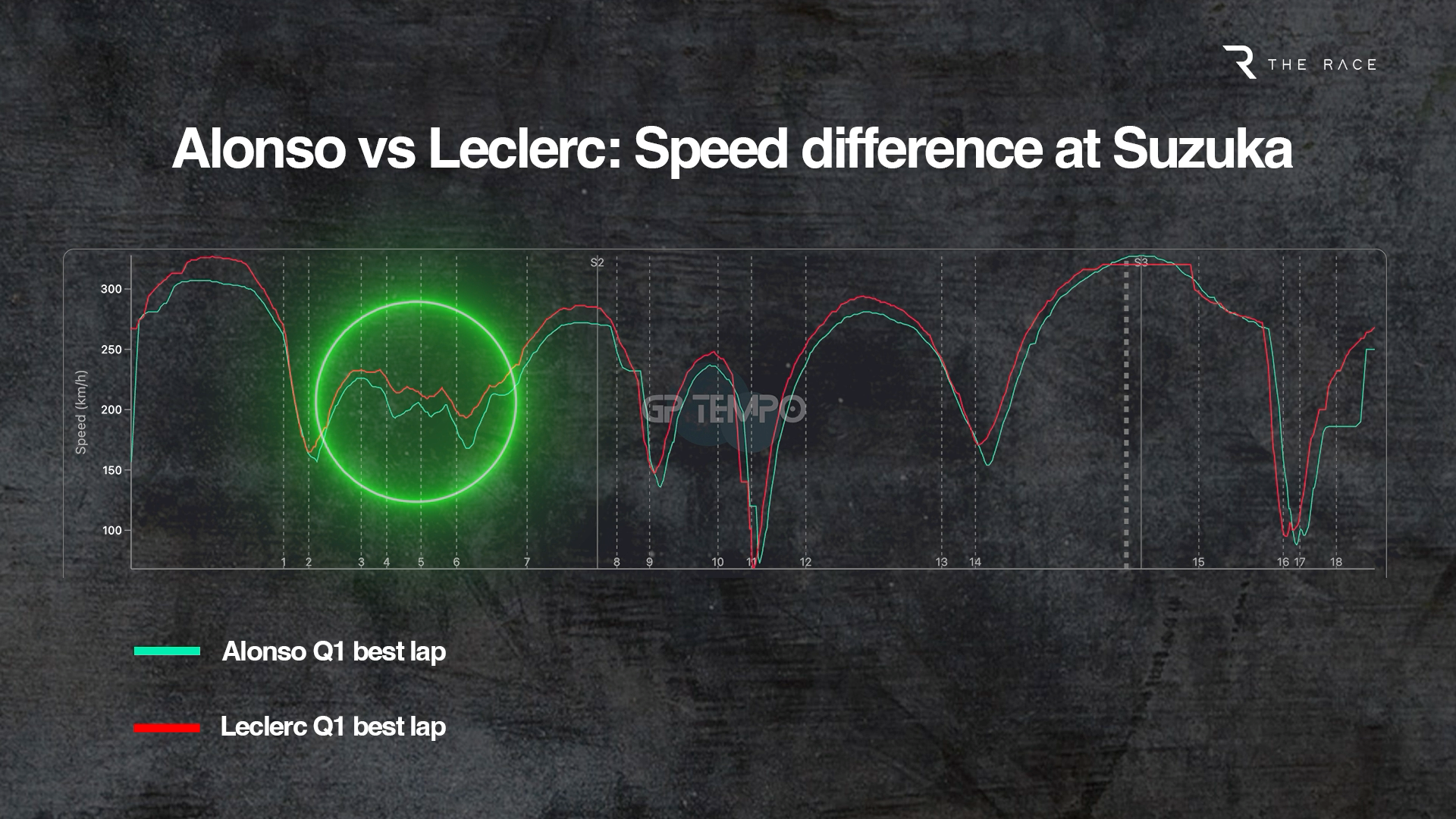
While the poor minimum speed in many corners throughout the lap speaks to the AMR26's own limitations too - something the team was transparent about at Suzuka - the fact is that improving the car is a quicker job than improving the engine.
It is still a big task, but a weight reduction programme and extensive development are both on the cards in-season. What Honda can achieve in engine performance alone is harder to map out but the timeline is likely to be painful.
Honda's priority in the middle of its early 2026 disaster has been trying to get reliability under control.
Some performance work has been going on in parallel with that but even if that R&D work is close to the point of being completed, Honda's still going to be months from producing a properly upgraded engine.
First, it needs to wait for the FIA to confirm what its deficit is and what kind of upgrade it is eligible for.
For the new 2026 rules there is the additional development and upgrade opportunities (ADUO) system that monitors engine performance and awards underperforming manufacturers development opportunities based on how far off they are.
Honda's probably in line for the maximum help, which means two performance upgrades will be permitted this year and its cost cap spend and dyno restrictions can be increased to facilitate that.
A meeting between F1 stakeholders this week will determine when the first ADUO period will be established, though, as the cancellation of the Bahrain and Saudi Arabian Grands Prix impacts the initial timeline mapped out in the regulations for a 24-race season.
This will not happen until May, though, and even then it still takes months to design, test, validate and manufacture a brand new engine specification.
Unless Honda is planning to roll out an interim upgrade, there will not be anything this side of the summer break, and if there is it will have limited effect.
What progress is possible sooner will likely be limited to what can be achieved by refining energy management strategies and improving reliability.
"We are working hard to improve battery reliability but on the other hand, also in the Sakura factory, we are working hard to improve engine performance," said Honda's lead F1 trackside engineer Shintaro Orihara.
"And also we are working hard to optimise energy management. That is a parallel work now.
"Also to develop engine performance, mechanically, is not a short-term job, so we keep working hard to improve engine performance in the background.
"But we gathered a lot of data through the race distance [at Suzuka]. That gives us more, how to say, data to improve our drivability and also energy management.
"That gives us good data for the coming four weeks going to Miami."
Lead driver Fernando Alonso expects little to change about Aston Martin's competitive situation this side of the summer break and it could take months for the package to move away from being a backmarker.
In fact, the various problems has made this a worse start to the season than the nightmare McLaren-Honda years Alonso endured a decade ago.
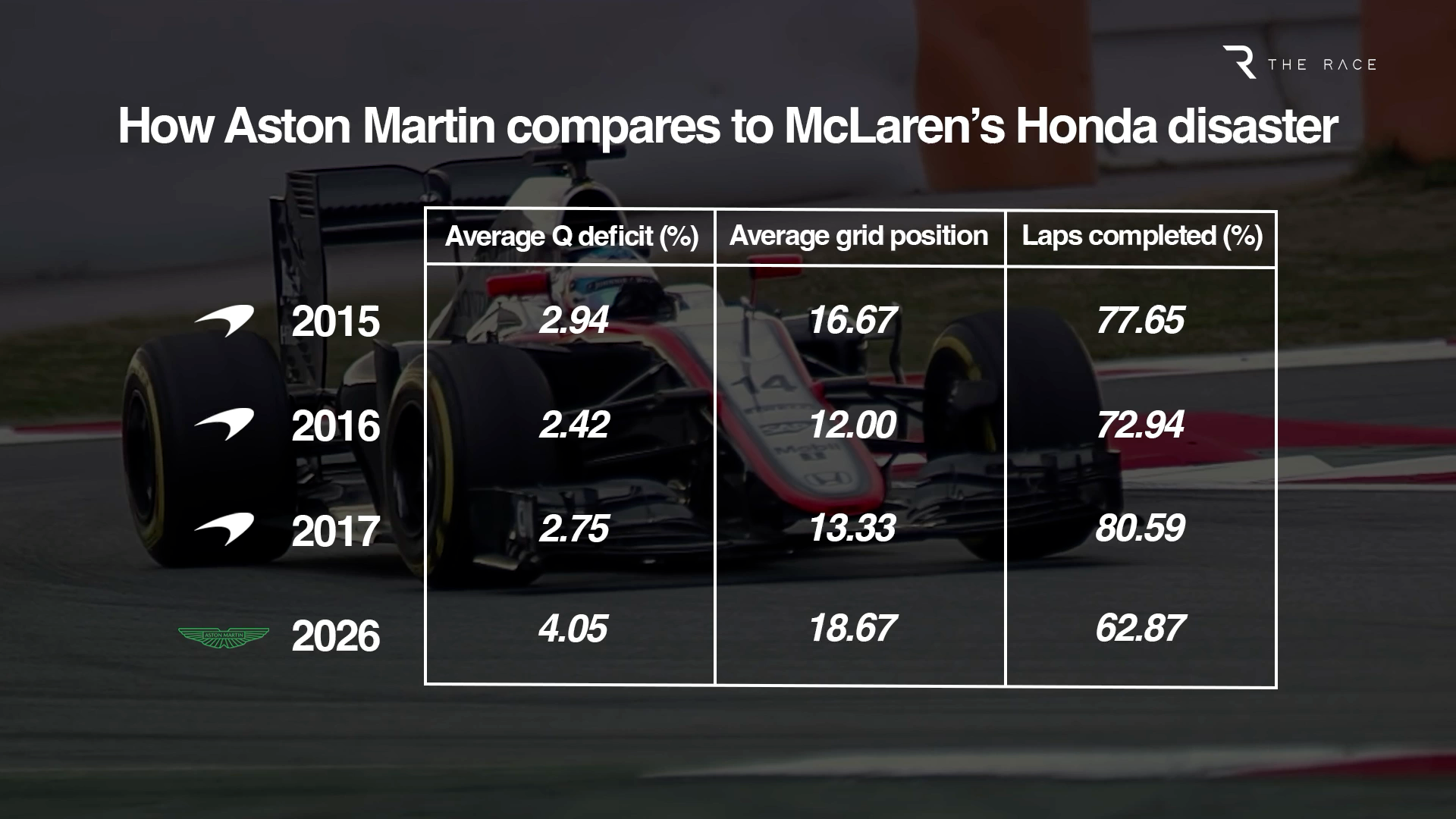
Alonso has a worse average qualifying deficit, grid position and percentage of laps completed this year so far than across the first three races of 2015, 2016 and 2017.
With reliability being so poor - and that having a direct impact on the performance and development potential for both the chassis and engine - there has been no choice but to prioritise this glaring vulnerability.
This has also taken up time and money that could otherwise be spent on developing performance upgrades. So far, the countermeasures have been quick fixes, but the April-long gap without a race means there appears to be a real chance Honda will bring a first specification change for reliability for the next race in Miami at the start of May.
Performance upgrades are not permitted outside of the ADUO system but reliability changes can be made separately to that, with FIA permission.
It has not been possible to do that in the weeks since the Bahrain test as meaningful changes require a long lead time to validate for reliability purposes. Even Miami could be a stretch but it depends on the extent of the change and Honda has at least hinted this is the aim.
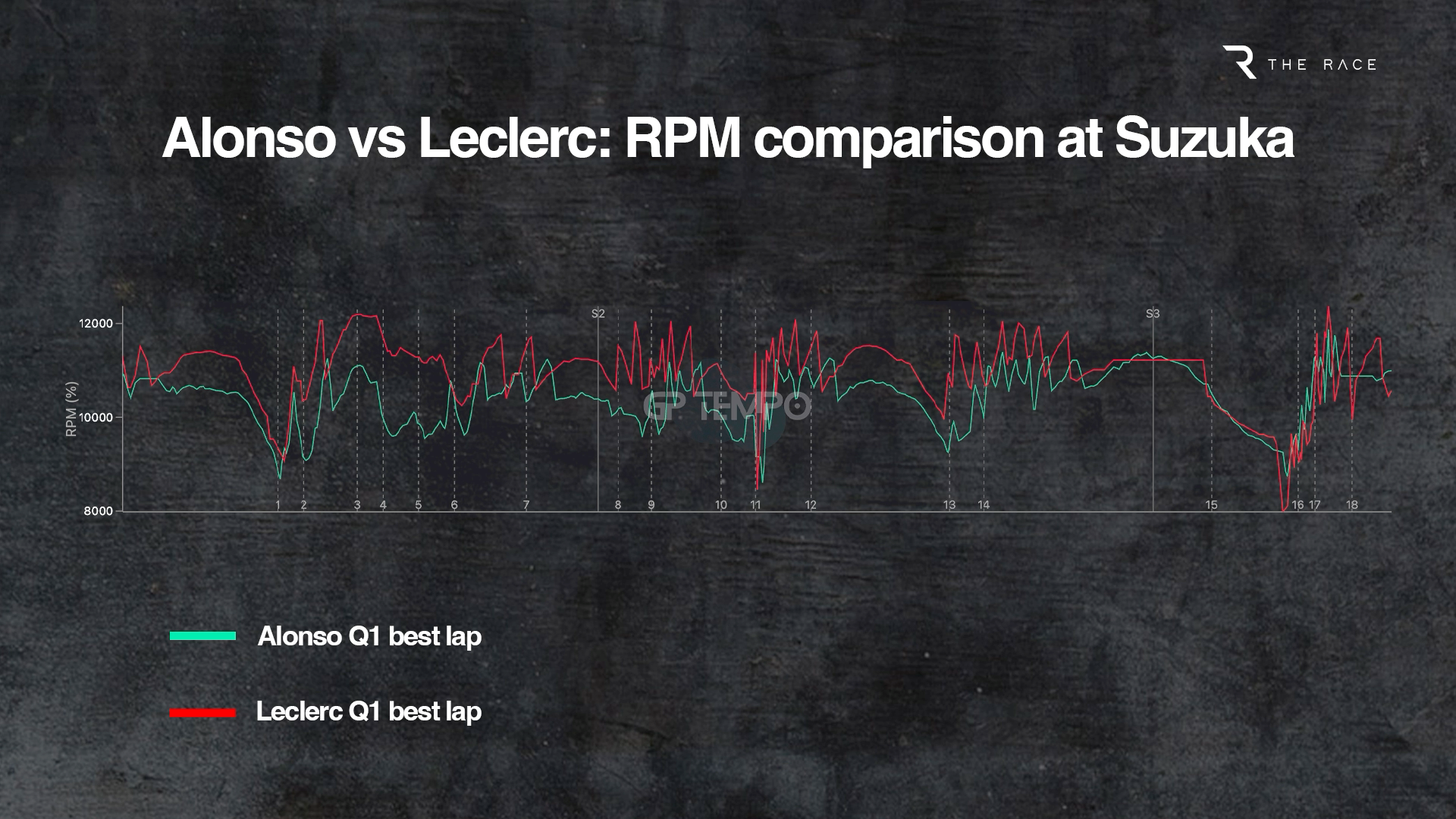
This might at least unlock a little more performance in turn, though, as Honda is clearly running in a more conservative state, around 1000rpm down.
"We still take a bit [of] margin to complete the running, but not so much," said Orihara.
"What we need to focus on is to improve our energy management.
"Our engine operation condition is close to the limit, so we can't take so much margin.
"We focus to improve our data settings, and also to improve the engine performance itself on the dyno.
"That is our main focus point."