What to expect from F1's crunch 2026 rules summit
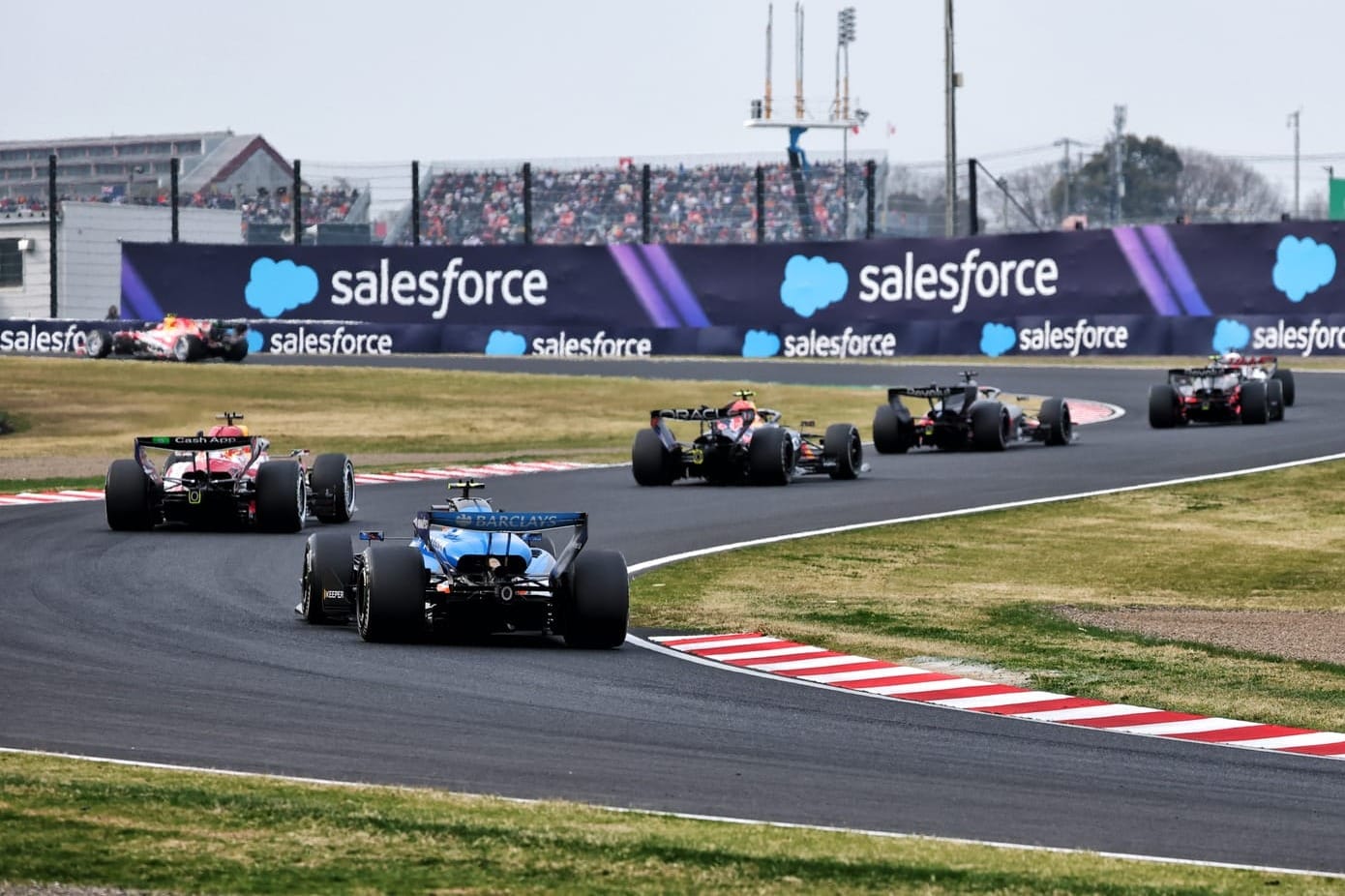
Formula 1 will formally begin the process of an in-season revamp of its 2026 rules when technical chiefs gather to discuss ideas on Thursday.
But while interest is high in what can be done to address some key concerns that have emerged from the early races - such as safety and the qualifying spectacle - do not expect any immediate solutions to be announced.
This meeting of technical experts from teams and power unit manufacturers is very much the first step of an exercise that will not reach its conclusion for at least another fortnight. And even then an outcome is not guaranteed.
That is because although there is a consensus that improvements are needed, getting changes agreed is often not the work of the moment in an arena as competitive as F1 where self interest can take precedence over the greater good.
Here we take a look at how things are scheduled to play out and what issues could be faced.
The roadmap for change
Leading figures from both F1 and the FIA, plus team principals, have held a series of meetings over the early part of 2026 to discuss problems with the new rules.
At the most recent meeting, which took place in the days after the Chinese Grand Prix, an outline plan was agreed in terms of what areas of the new regulations needed focus for improvement and how that should play out.
The cancellation of the Bahrain and Saudi Arabian Grands Prix, because of the conflict in the Middle East, opened a window for a considered plan to be put in place rather than some fixes being urgently rushed through.
A multi-stage process was laid out, and the first step is Thursday's meeting of senior technical figures from the teams to evaluate and discuss potential tweaks.
This meeting is aimed at digging into the complex details of what will and will not work when it comes to rule-change ideas.
This is why the gathering will not involve any of the team principals, and will also not have a presence from senior figures such as FIA president Mohammed Ben Sulayem nor F1 CEO Stefano Domenicali.
A lot of simulations have been done by teams individually, as well as some real-world testing, to work out the pros and cons of any tweaks to the rules being implemented.
The Race also understands that drivers have also been asked for their input, amid some concerns they have expressed about the counterintuitive nature of the current cars.
Now it is about bringing all these findings together with what the FIA has learned to try to plot a path of where the best solutions lay.
What is on the table to be discussed was first revealed by The Race and has been widely reported - such as the potential increase of energy harvesting from super clipping to 350kW or a reduction in recharge limits to as low as 6MJ - but what will be critical now is understanding the full impact such changes would have.
There is a desire to make sure that if any changes are made they definitely work, because F1 does not want to implement them for the Miami GP in early May only to have to respond again if revised rules flop.
That is why the technical chiefs have been called upon in the first instance: to try to give a realistic assessment of how things will play out if certain tweaks are made.
The first steps
The idea of Thursday's meeting is not to agree on the immediate solutions, but to get some broad consensus on what needs the most attention and what ideas can be discarded for now.
For example, can the straight mode rules be revamped to help reduce the drag of the cars around more of the lap without it actually triggering safety concerns, as some teams think?
Can new rules be put in place for formation laps to ensure that drivers have full batteries for race starts, to remove some of the inconsistent getaways there have been?
After this meeting, the idea is that a narrowing down of options can then be considered and evaluated further over the following days prior to a second technical meeting that is scheduled for next week.
There, it is hoped, the findings and latest analysis can be pulled together in a more formal way, where a host of potential rule changes are then agreed upon and ready to be put forward to the critical final stage that will involve team principals.
The defining moment
The key meeting for deciding what happens with any potential rule changes from as early as the Miami GP will take place on April 20.
There, all 11 team principals plus representatives of the power unit manufacturers will gather with Domenicali and FIA chiefs to debate and try to approve a package of rule improvements.
But even if the technical experts have agreed on a host of measures that they think will make things better, there is no escaping the fact that competitive self-interest may take over in steering teams in terms of what changes they do and do not support.
Ferrari team principal Fred Vasseur told The Race that while the hope is that everyone will gain from any tweaks, it would be naive to think that any modification to the regulations would not have an impact on the competitive order.
"I perfectly understand that we have to fine-tune," he said. "It's for the benefit of everybody, and the benefit of the show, but what we have to keep in mind, and I'm not complaining at all, is that each time that you will make a small change, it will go in the direction of someone or against someone.
"We all have different characteristics and each time that you will make a modification, even if it's marginal and you are speaking about hundredths or thousandths of seconds, it will go in the direction of someone.
"When you are in a competition, we are there to get the last hundredths of seconds. We are not there to give up something."
But while there may be pockets of resistance, F1's new governance structure that has come into play with the 2026 Concorde Agreement should stop individual teams blocking change.
For immediate rule changes to come into play, what is known as super majority support is required. This means that if F1 and the FIA back a motion, then seven of the 11 teams must support it for car changes to be made, or four of the five current engine manufacturers for power unit modifications.
Those numbers should be enough to get a bunch of rule tweaks through even if some teams are unhappy, but it does not guarantee that voting will not fall into blocs that prevent more wholesale revisions.
How that plays out is impossible to predict right now because what rules are to be voted on has not been agreed.
But Audi F1 project leader Mattia Binotto is one who believes that the championship could suffer if politics and self-interest gets in the way of making rule tweaks aimed at improving some of the current problems.
"It would be bad if it becomes political, because I think there is the interest of everyone to make the sport the best as possible," he said.
"Sometimes, in some situations, we need to understand that we are all part of a great business, and we need to keep it great.
"So if it becomes political, I would think that whoever makes it political, is making it wrong. We need to, I think, work all together to improve it as much as we can."
Whatever comes out of the April 20 meeting would still need ratification by the FIA's World Motor Sport Council before the rules came into play - but that is likely a formality if the governing body has already supported the changes in a vote.