Mercedes-Red Bull F1 engine trick banned by FIA
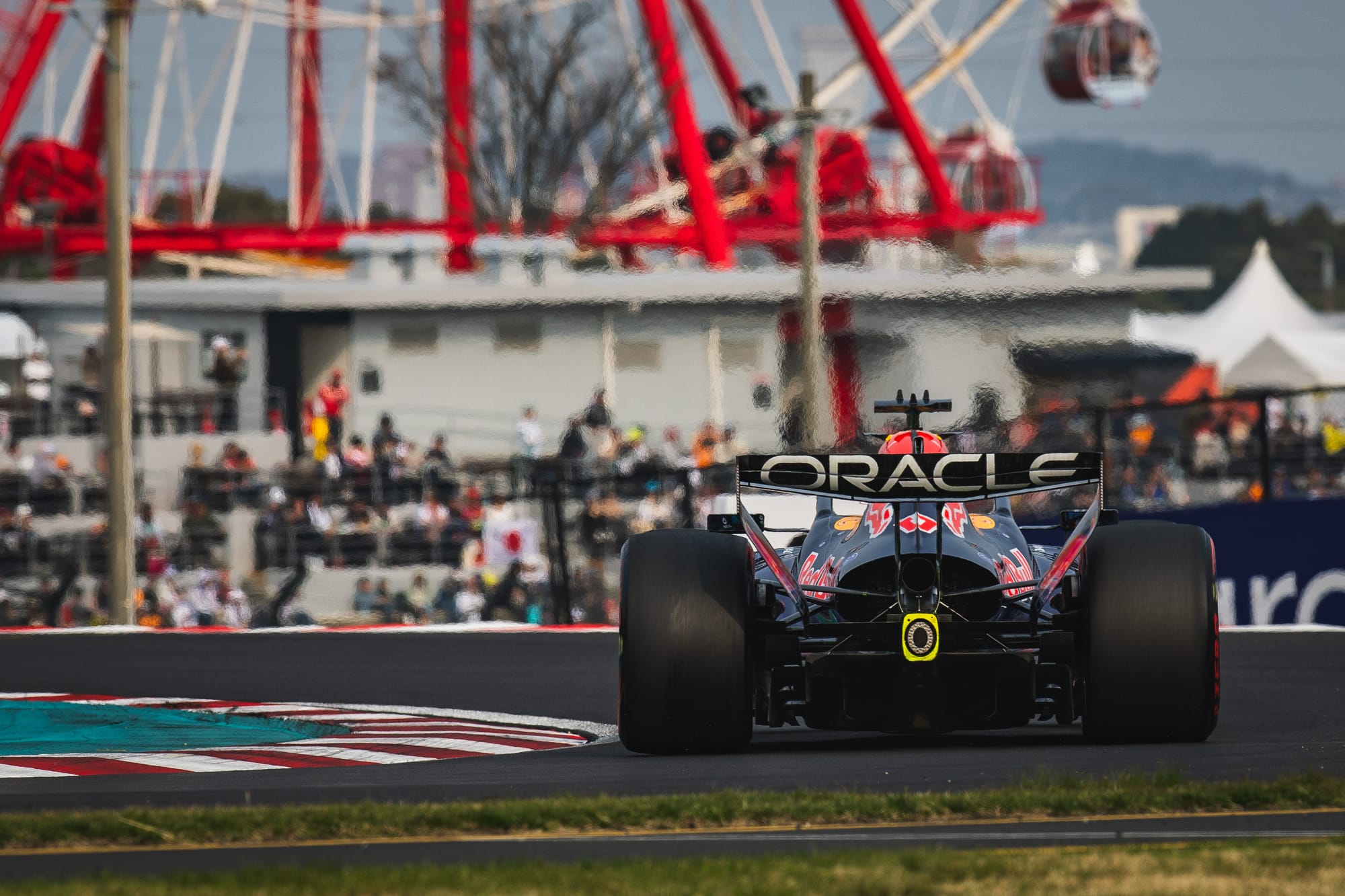
A qualifying trick used by Mercedes and Red Bull Formula 1 teams for a speed boost at the end of a lap has been banned by the FIA, The Race can reveal.
Those manufacturers had found a clever way to bypass mandated power reduction demands that need to be followed as cars burn through their battery energy on the straights.
Rather than running in a 'ramp down' rate on the charge to the timing line at the end of a qualifying lap - where power normally needs to be reduced by 50kW every second to avoid a sudden drop off - they were able to run at maximum deployment for as long as they could.
This could easily give them a 50kW-100kW advantage for a short period of time over others whose power was being reduced.
While such a gain may only have been worth a fraction of a second, in the hundredths rather than tenths at some tracks, it was still clearly worth chasing in the fight for grid positions.
But the FIA has now clamped down on that practice.
Avoiding ramp down
The Mercedes- and Red Bull-powered teams were able to employ this maximum deployment trick because there is scope in the F1 regulations to not be required to follow the ramp down requirement if the MGU-K is shut for technical reasons, such as in an emergency.
This software mode to disable the MGU-K had been put in the rules to avoid the risk of power unit components being damaged if trouble is detected by a team.
The difficulty then came in defining what is a legitimate reason to shut the engine down and what was being done for competitive advantage.
So when it became clear that this MGU-K shutdown route did open the door for teams to get around the ramp down rates by activating it, separate measures were put in to discourage teams from doing it.
The main one was a demand (officially known as a "continuous offset" mode) that, if the MGU-K is shut down by a driver, then it will be locked out from use for 60 seconds in total after that.
This deterrent ensured there would be no benefit to using this offset trick during a race or most of a qualifying lap - as the losses from not having the extra 350kW of power from the MGU-K for a whole minute would be too great.
But Mercedes and Red Bull realised that, because drivers do not need the MGU-K for a slow down lap after a qualifying effort, using the trick could bring gains in that final run to the timing line without any theoretical downside because speed was not important as the cars returned to the pits.
Big complications
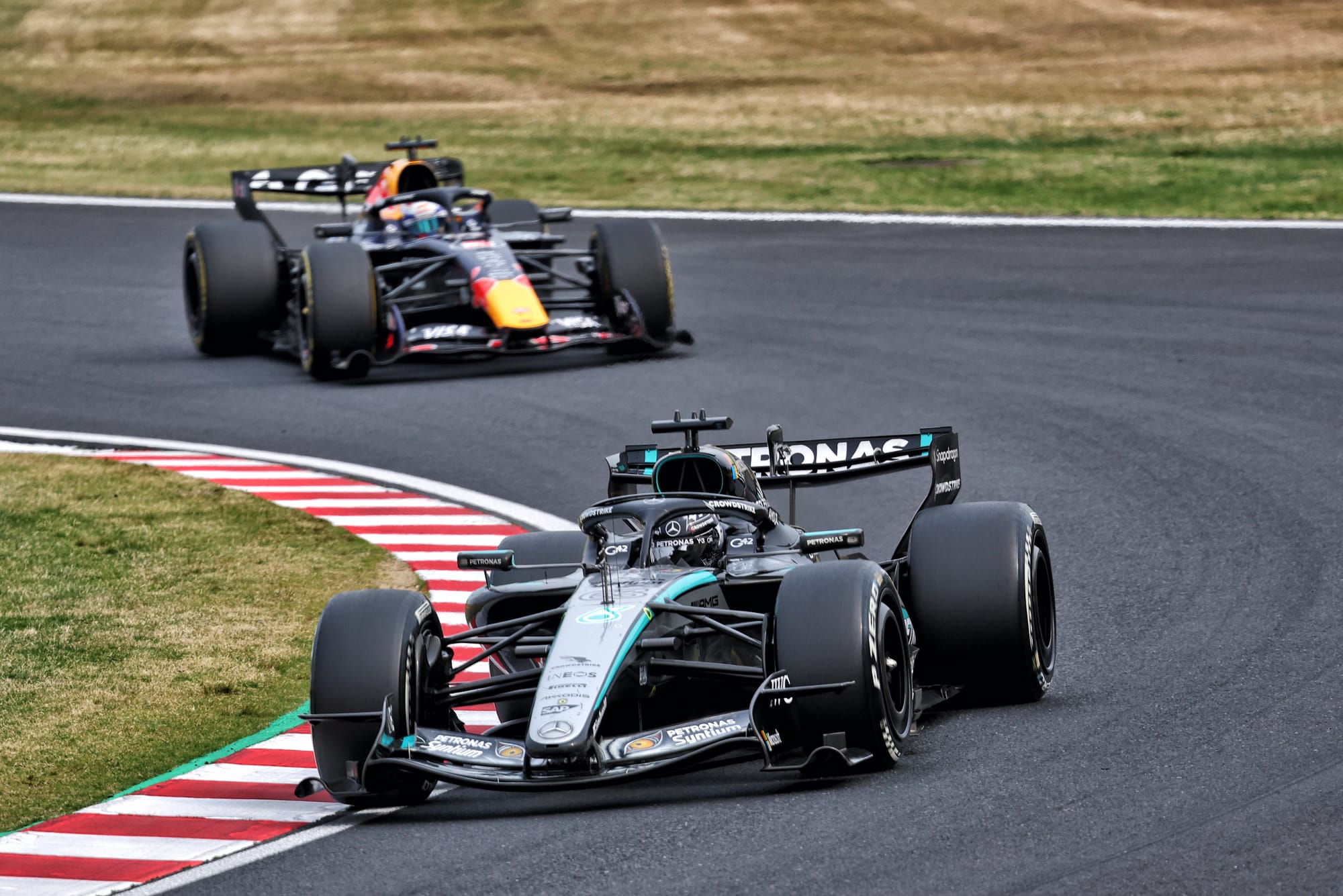
Rivals first spotted Mercedes and Red Bull doing this in Australia but the matter came to a head at the Japanese Grand Prix at the end of March when some unintended consequences of the trick were blown into the open.
Drivers from both manufacturers found that, with the MGU-K unavailable following a qualifying (or qualifying simulation) effort, there were big risks of their cars grinding to a halt.
During practice in Japan, Mercedes' Kimi Antonelli and Red Bull's Max Verstappen both had moments where they were left limping through the Suzuka Esses because of a lack of power.
And Williams's Alex Albon was forced to stop on track in practice entirely because of complications caused by the issue.
There had been similar problems at the 2026 season opener in Melbourne when drivers slowed after practice lap simulations, but it had not been clear to everyone at the time that this was linked to the trick.
It is understood the trick was not used in China because the distance from the final corner to the line was so short.
As The Race revealed after the Japanese GP, the FIA had conversations with the manufacturers in Suzuka to make clear that, while the MGU-K trick was within the rules, teams needed to ensure there were not complications that left cars struggling to continue laps if it was used.
In qualifying especially this could have proved dangerous and left drivers in compromised positions if they suddenly found themselves hobbling around while others were on quick laps.
Ferrari's FIA talks
Rivals manufacturers who had first spotted the trick being used in Australia had been evaluating if they needed to follow suit and adopt it.
Ferrari duly opened dialogue with the FIA for clarification over the issue because, while accepting it was legal, it had reservations about the tactic being green lit because of the clear safety risks that came from employing it.
In Japan, after the problem that Antonelli faced in practice and its conversations with the FIA, Mercedes chose to turn its system off.
This was partly motivated also by the fact that the short run from the final chicane to the timing line at Suzuka meant the gains there were not as significant as they would be at other tracks where the distance is greater, so it was not worth the extra risks.
Sources have revealed that the FIA has now taken further action over what Mercedes and Red Bull were doing and, in response to concerns expressed by others, has effectively outlawed the trick.
In updated technical documents that have been sent to teams, the FIA has made clear that while the ability to shut down the MGU-K will remain open to teams, it will not tolerate this being used for anything other than legitimate problems.
It is understood that the FIA has made clear that the "continuous offset" function in the software should be used only for its original purpose - which was emergency situations - and not as a systematic means of increasing performance.
The lockout period will remain in force to serve as a deterrent for the shutdown trick not to be used during most track running.
And the FIA should easily be able to look at data from the end of qualifying laps to see if any team that does shut down its MGU-K has experienced a genuine emergency.