F1 hints at major engine rules pivot for 2031 - what we know
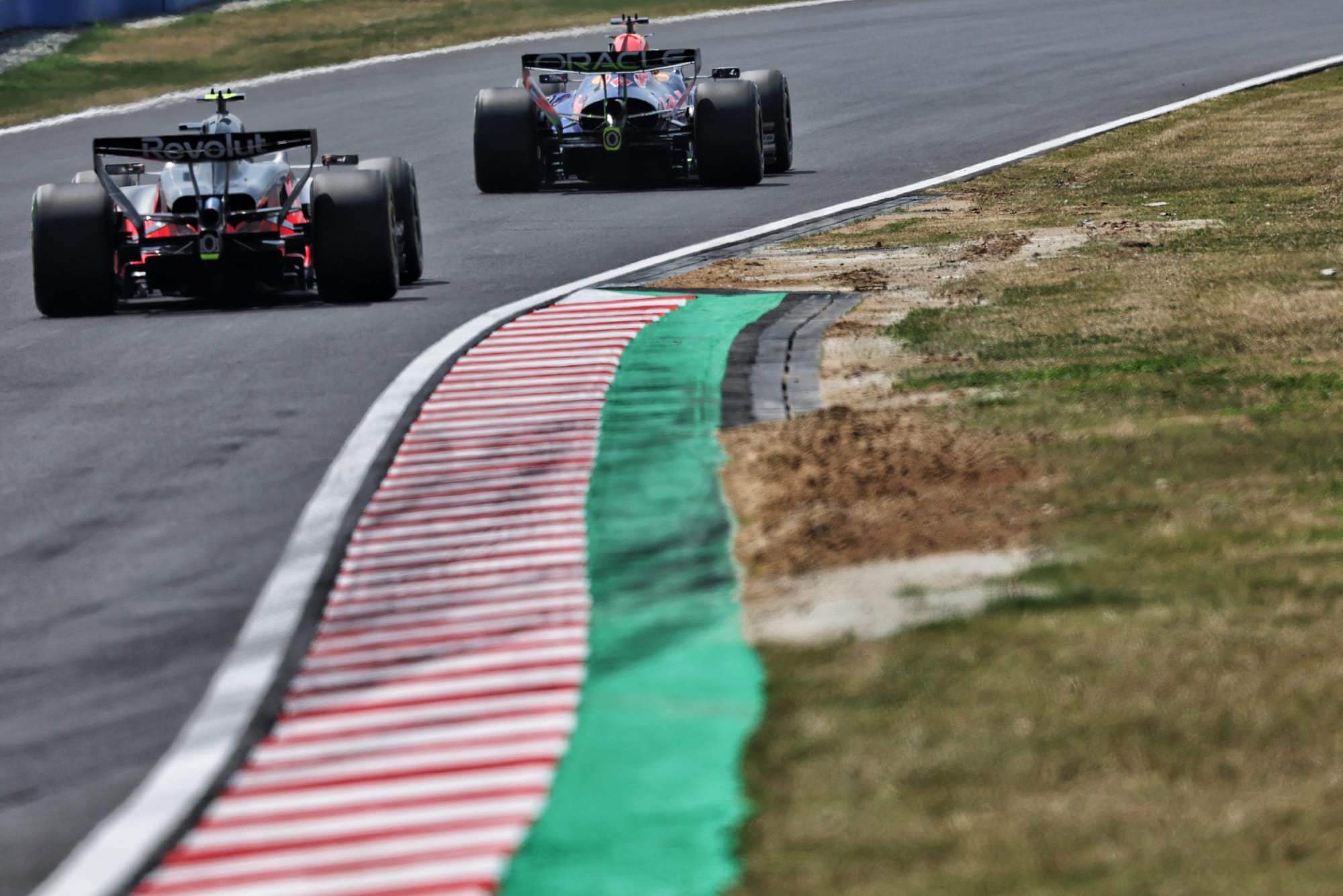
F1 CEO Stefano Domenicali says Formula 1 and its power unit manufacturers are in "less of a corner" when it comes to the formulation of the next-generation power units than they were when the current engines were conceived.
Speaking in an exclusive interview with The Race F1 Podcast, F1 CEO Domenicali stood by the decision-making process that led to the current engines having a notional 50/50 split of electrical and V6 power, as it reflected the prevailing conditions of car manufacturers adopting all-electric strategies.
While electrification remains important to the automotive industry, there has now been a move to a more diverse strategic approach in terms of energy sources meaning that there will be no need to continue with the existing engines in the long term. This will give F1 and the manufacturers greater flexibility, with cheaper, lighter engines the target.
This opens the door to a potential switch to V8 or V10 engines, powered by advanced sustainable fuels with some degree of hybrid power. The next power unit regulation cycle is currently intended for introduction in 2031, after five years with the current concept, but that timeline isn't set in stone.
"The process will maybe be different, with the FIA presenting a proposition knowing the situation of the [manufacturers] involved in the sport that will consider the situation today is different from five years ago," Domenicali told The Race. "I believe that the manufacturers will not anymore be in a position to say that's the only way to go. That's the main different topic if you compare it to five years ago.
"So in a way, we are in a situation that we are less in a corner, where five years ago we were. That's why there could be more possibilities to have different options that the FIA can present to the manufacturers, in agreement with us and in agreement with what is the best for F1."
Domenicali has put cost cutting and the reduction of weight with engines that are relevant to automotive manufacturers at the top of his wish list, which would be part of a simplified power unit concept that would also produce good racing.
These were the key points he raised when asked if, given his robust defence of the current engine regulations, there was not an argument to continue to use them in the longer-term.
"No, I tell you why," said Domenicali. "It's not a problem of continuity. The cost of the power unit is too high, that is definite. We have the duty to make sure that this business is sustainable, we need to have products that are technologically relevant, and therefore the cost of this is too high.
"The other thing is related to the weight. If there is a new opportunity to have weight reduced, and the only way to reduce it is to reduce the dimension and the weight of the battery, it has to be considered for F1."
The process of formulating the regulations will start this year but take time, with the FIA as the regulator at the forefront of driving it. Even if there were a desire to make the change earlier than 2031, there is a limit to how early this could happen given there is also a design and development lead time to factor in.
"What is clear is that the regulator is the FIA, so the FIA has the responsibility to propose a package," said Domenicali. "It's pretty clear that the attention on full-electric in the automotive industry has gone out, so the fact that we were the first to focus on hybrid and sustainable fuel could [allow us to] take that direction further in the future.
"We could be in a good spot to redefine the weight of the cars. That is a very important point that with the batteries, unfortunately, has gone in a certain direction. And therefore I believe that the FIA will be ready to discuss that, keeping the sustainable fuel once again at the centre of the technical equation, and trying to find a different balance between the hybridisation versus the internal combustion engines. That's what I think will happen.
"In terms of the technical moment of it, the new moment this could come in could be '31. But then the discussion will be addressed by the FIA, with the engine manufacturers, to see if the proposition that will be discussed and presented soon could be possible to anticipate, [and] is something that we will discuss this year."