Everything that's led to Formula E's biggest 2026 move
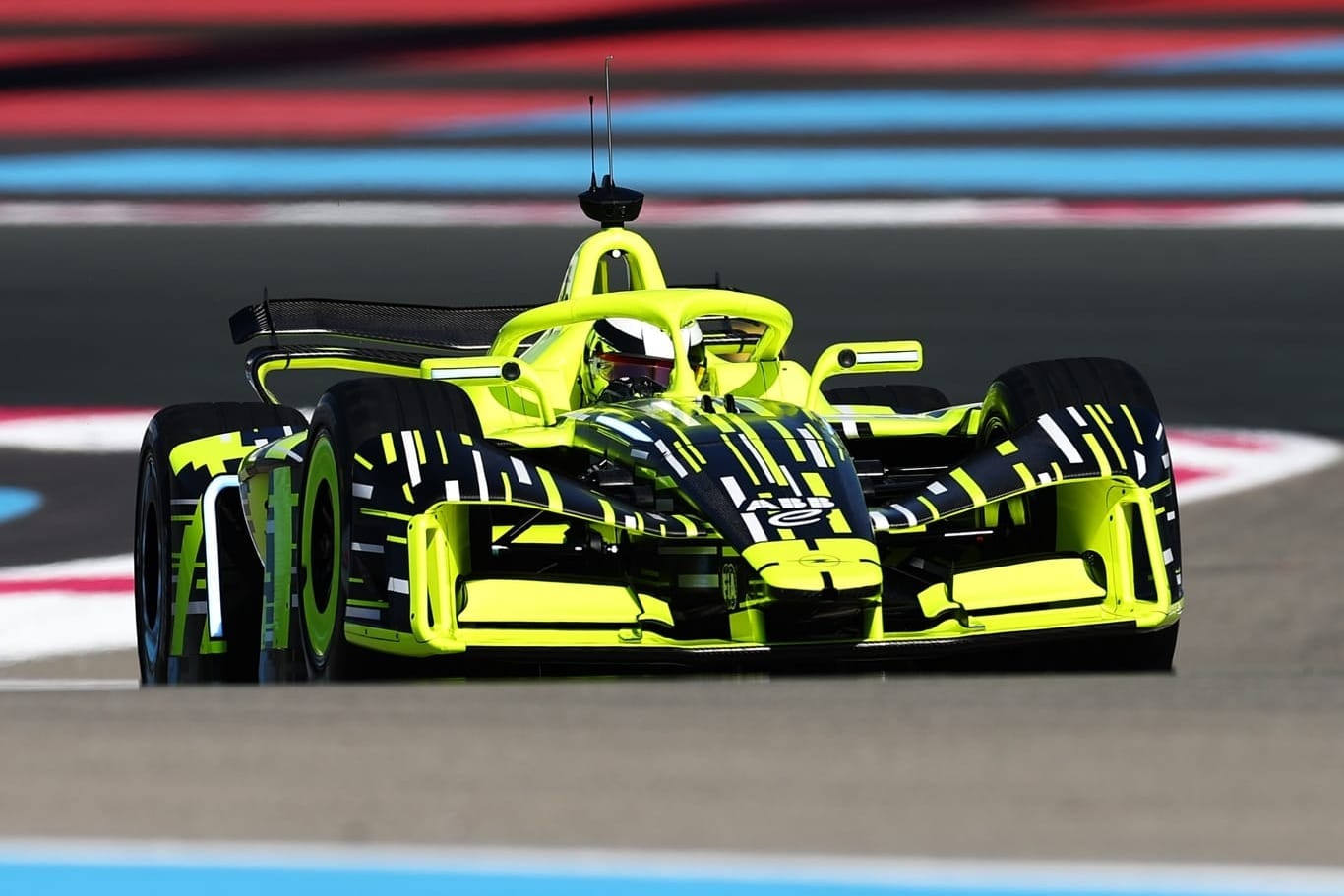
Stellantis securing the services of Mitch Evans for at least the next few Formula E seasons should be seen as not just a statement of intent on its part but also a particularly shrewd move by Evans himself.
While confirmation is still to officially be forthcoming from Opel, Evans will be a marquee signing for the ambitious brand, which is likely to pair the driver with more Formula E wins than any other with rookie Theo Pourchaire for its first-ever campaign.
That feels like a very robust and exciting line-up and one that, if the first indications of Gen4 testing are to go by, could be a race-winning combination from the very start.
For Evans, getting to the point of agreeing a deal with Stellantis will have been eye-opening. Not from the viewpoint of playing the market because he and his management team has done that since he started to bill himself, through his performances, as one of the best drives in the all-electric world championship.
He's also been close to flying the Jaguar nest before, particularly with Porsche in 2021 and 2022, and again at the end of last season when, despite being under contract, considerable ill-feeling between himself and key figures at Jaguar threatened to bring his tenure there to an earlier end than expected.
To a great extent, Evans was always going to leave Jaguar this summer. Since late last year, he has been talking to the majority of the teams currently on the grid, and another one that is also about to arrive: the second Porsche factory entity. How close they came to a proper offer is unclear but talks were certainly held earlier this year.
But why would Evans go to a secondary and newly established team with any manufacturer, let alone one such as Porsche, which has a track record of managing its races via driver management?
At this stage of his career, and with his achievements at Jaguar considerable, that just doesn't seem like a realistic option for Evans - especially as Porsche is so well-known to have intricate team order calls, especially with its most pliable current customer team, Cupra Kiro.
Then there was Nissan and Lola, which were also both keen on Evans but were ultimately dismissed. So, one prospect stood out handsomely, and for a variety of reasons too. Opel, via Stellantis.
While its actual footprint in Formula E is complex via the out (DS) and the in (Opel), plus the ongoing farrago around the MSG licence holding of the Citroen team (which itself formally entered at the start of the present campaign, taking over the MSG Maserati slot), truth be told Stellantis's actual strategy in Formula E is simple: to win and to dominate.
It's just it hasn't done so for a while and perhaps that was the trigger for the doubling down of its Gen4 challenge.
Despite a tepid Gen3 period, results-wise, Stellantis did previously steal a march on the competition at the end of the Gen1 era and into Gen2 by dominating the silverware collection. Jean-Eric Vergne's 2018-19 title was paired with a teams' championship for DS Techeetah. A season later, that was doubled upon via Antonio Felix da Costa.
Technically, Stellantis - via DS - was on another planet for a few seasons, honing, in particular, its own brake-by-wire system and also having ultra-sharp strategic foresight via then lead engineer, now deputy head of Stellantis, Leo Thomas, as well as Clement Ailloud (energy strategy) and the late Pascal Tortosa, whose eccentric genius won many an E-Prix for the team.
Some of that nous came from a legacy of understanding specific systems from the old PSA Group days that included the Citroen World Rally Championship and World Touring Car Championship programmes. That knowledge soak has been built upon in Formula E and with Gen4 about to be a no-holds-barred fight of understanding and exploiting active differential and traction control systems, Stellantis should lead the way in hitting the ground running with the new ruleset.
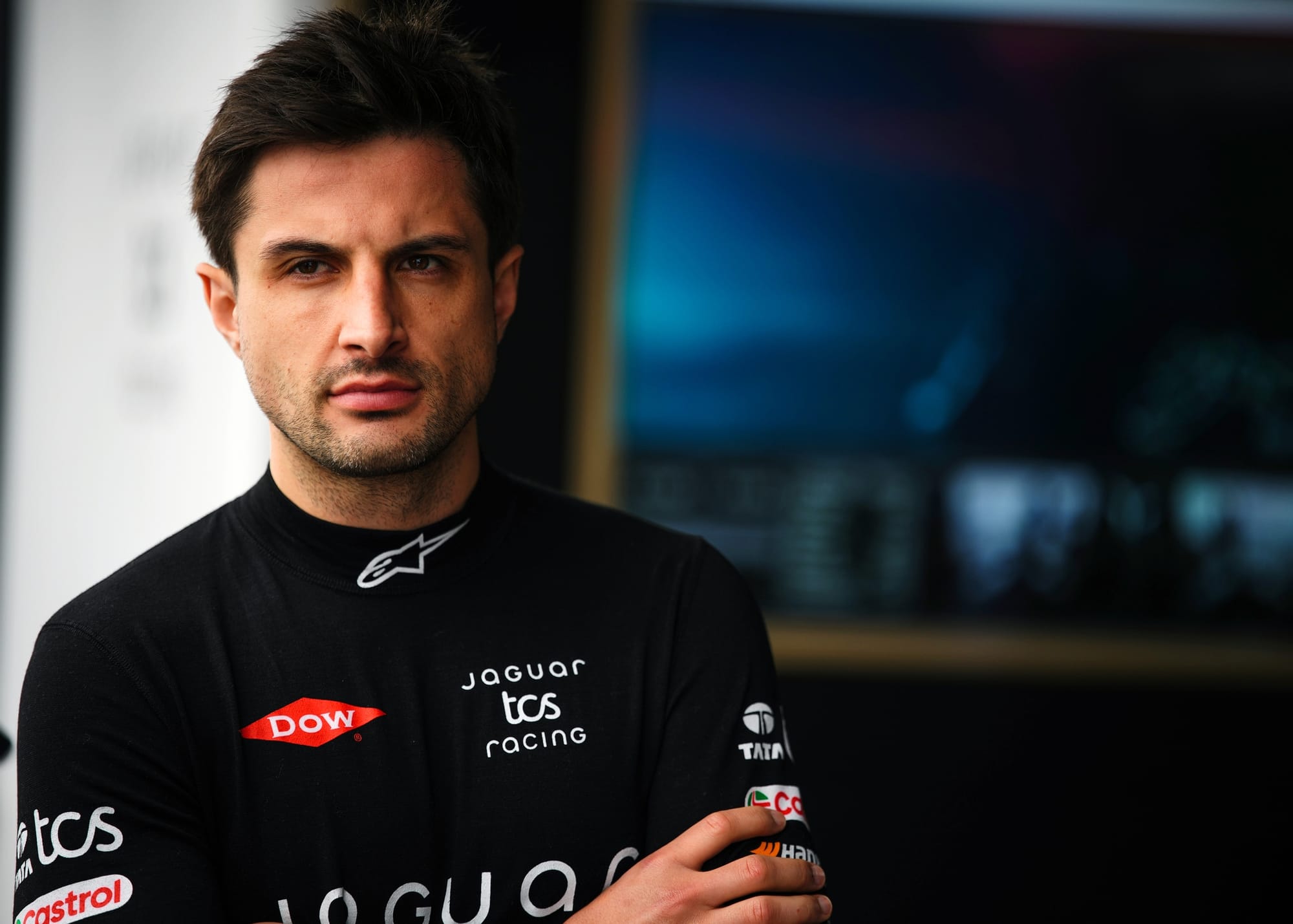
All of this will have been filtered into Evans's own personal career percolator. He didn't rush his decision, knowing that he was a prized asset. Some at Jaguar may smirk at that, having been on the receiving end of Evans's multiple tongue lashings and also the unedifying ramifications of the London ExCeL complexities in July of 2024.
Then there were the changes at Jaguar. Phil Charles, the technical driving force behind the Gen3 Jaguar car, left at the end of 2023 for Penske, while Craig Wilson from the Fortescue Zero side of the operation blended away just after team principal James Barclay exited last summer.
From a technical standpoint, Theophile Gouzin was recruited from Nissan at the start of this year but his influence in the overall design of the Gen4 package will be minimal from a practical standpoint.
Evans is not a character who will back down on track or off it, and perhaps that, allied to his track record, attracted Stellantis to make an offer he couldn't refuse. There will be pros and cons of course - the most notable downside being that he is unlikely to test the development car until August, just before the homologation period and when most of the performance testing has been completed. (By his former team-mate at Jaguar, Nick Cassidy, no less.)
Overall, though, Evans's signature is a real coup for Opel, which showcased itself to the media in a kind of soft launch at Paul Ricard last week with a test livery so bright it would have been picked up by the Artemis II spacecraft a month ago.
Vibrancy is currently permeating Formula E's newest licence holder. With Evans soon to be formally ingrained within that, Opel has a very good chance of making its mark right at the sharp end from the very start of the Gen4 era.