F1 will switch to V8s and ‘minimal’ electric power - Ben Sulayem
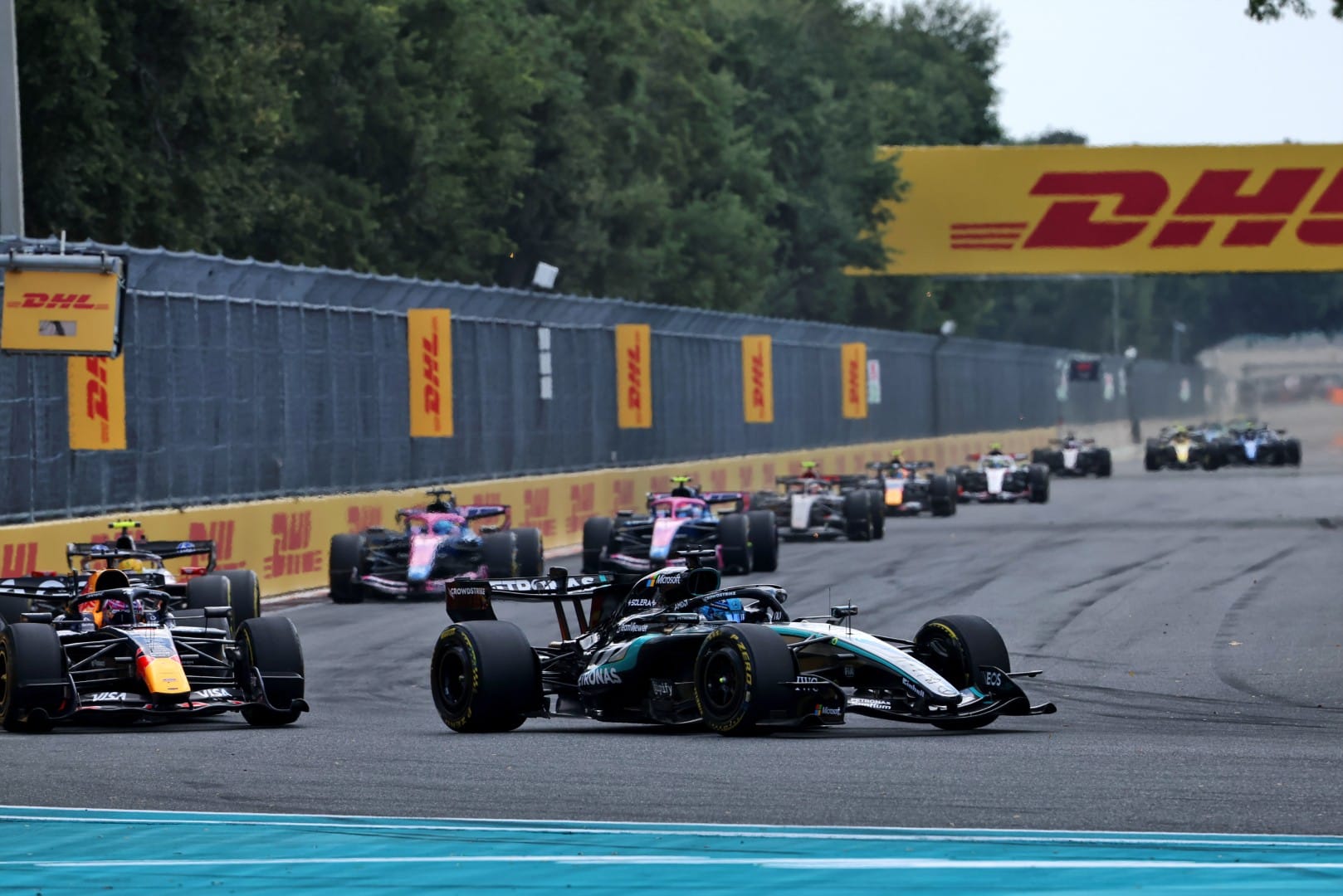
Formula 1 will abandon its current V6 hybrids in favour of a return to V8s with “minor electrification”, FIA president Mohammed Ben Sulayem has pledged.
F1’s new 2026 engines, which are a near 50/50 split between internal combustion and electric power, are just a few races old but have been extremely divisive because of their complexity and the impact they have had on the spectacle.
Changes have already been made to the rules around how they are being used and there are discussions about whether bigger adjustments can be made for 2027 or beyond.
Even if the ratio of V6 and electric power is modified, though, the core architecture is unlikely to change for several years - as these engines rules were several years in the making and manufacturers have invested a huge amount of money developing them.
There have been talks over accelerating the next generation of engines, though, with a switch to simpler, louder V8s seemingly the most likely for a long time.
Last year a move led by Ben Sulayem to switch to V10 engines was parked because manufacturers were not in favour, but they are believed to be more open to a reduction in total electric power output as the automotive industry has shifted from a few years ago when they were in agreement that the broad concept of a 50/50 split was necessary.
The next engine rules cycle is intended to be introduced in 2031, and F1 president and CEO Stefano Domenicali told The Race in April that the stakeholders were in “less of a corner” on what kind of engine they could push for – and suggested new rules could come slightly sooner.
Now Ben Sulayem has declared a V8 switch “a matter of time” and that “V8 is coming”.
In quotes reported by Reuters in Miami this weekend, he said the move could be made as early as 2030 if enough of the manufacturers agree.
"You will hear about it very soon and it will be with a very, very minor electrification,” he said.
"I'm positive, they want it to happen. But let's say the manufacturers don't approve it [for 2030]. The next year, it will happen. In 2031 it’s done anyway.
“It will be done.”
Assuming V8s are favoured rather than V10s, which are also on the table, conversations with engine manufacturers will focus on the timing and what percentage of electrification is acceptable while ensuring the internal combustion engine is the dominant factor.
The previous generation of engines derived more than 80% of their power from the V6. It is likely that the next engines would have a greater electric component than this, but it would likely be closer to that ratio than the 2026 engines'.
After his V10 idea was dropped last year, Ben Sulayem outlined an idea to move to V8s in 2029 or 2030 instead, with more standard components and sustainable fuels as the point of appeal for engine manufacturers.
He believes V8s are the right direction because they provide “the sound, less complexity, [and are] lightweight”.
This complements what Domenicali has said in making cost cutting and weight reduction priorities for the next cycle of rules.
There is alignment between F1 and the FIA that the engine needs to be simpler and more traditional - while still having enough of an appeal to engine manufacturers.