What we've learned about Alpine's $150million Gucci deal
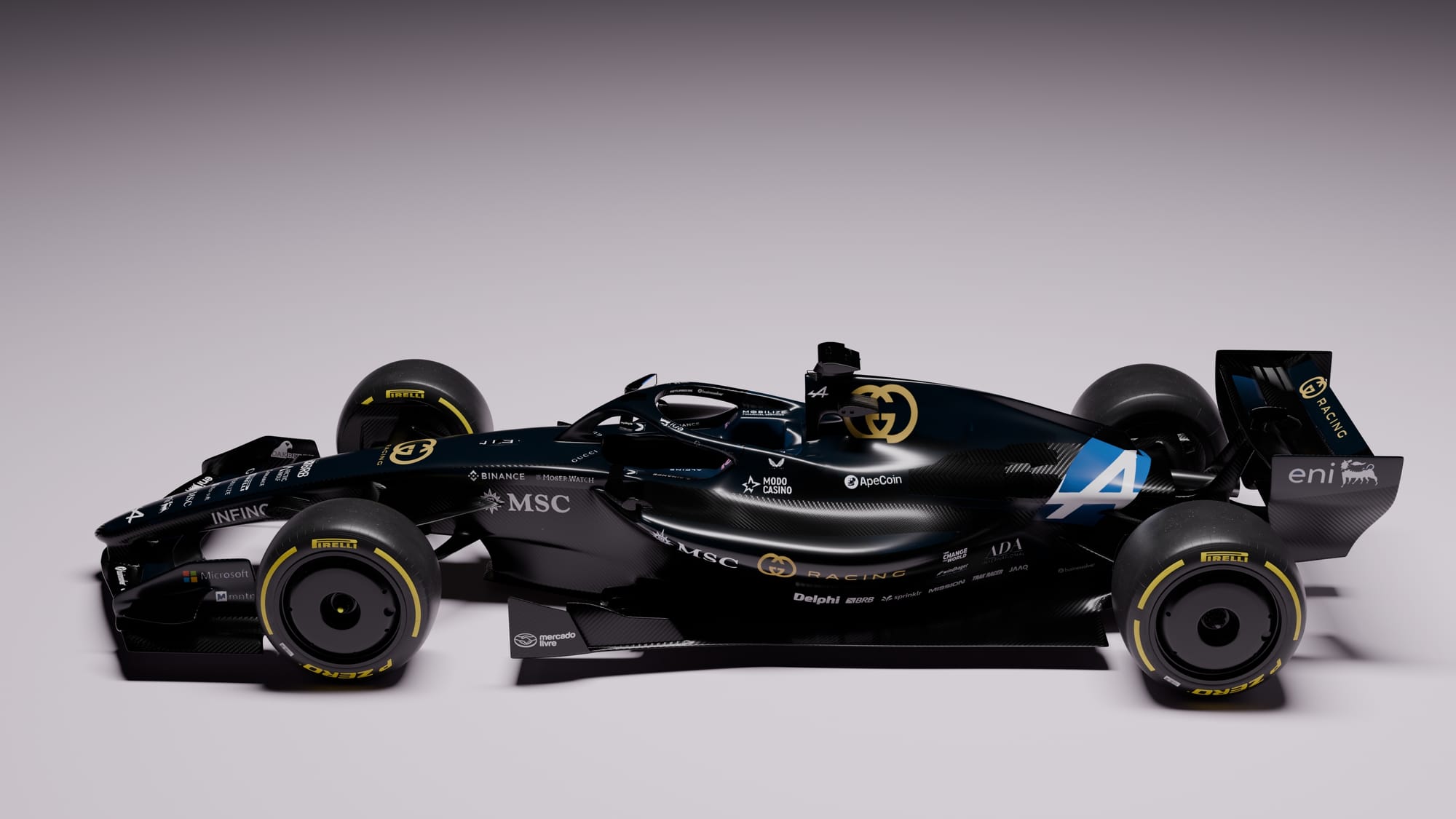
There is no doubt Alpine’s big-money Formula 1 title sponsorship deal with Gucci, announced in Paris on Wednesday, is a statement of intent for both sponsor and team.
It is the first time a luxury brand has become a title partner in F1, and there are clear parallels with how Alpine executive director Flavio Briatore helped take Benetton to title glory in the early 1990s.
As Briatore remarked, he and his Enstone team (Benetton once upon a time) have "shown that fashion can finish first in F1".
The scale of the Gucci deal is huge – and not just in monetary terms, with it estimated to be worth upwards of $150million over the next few years.
Instead, the nature of Gucci's arrival will not only change the appearance of the F1 grid but also the paddock and pitlane too.
So let’s take a look at what it all means, and what we can expect when the partnership kicks off in 2027.
New name, new livery
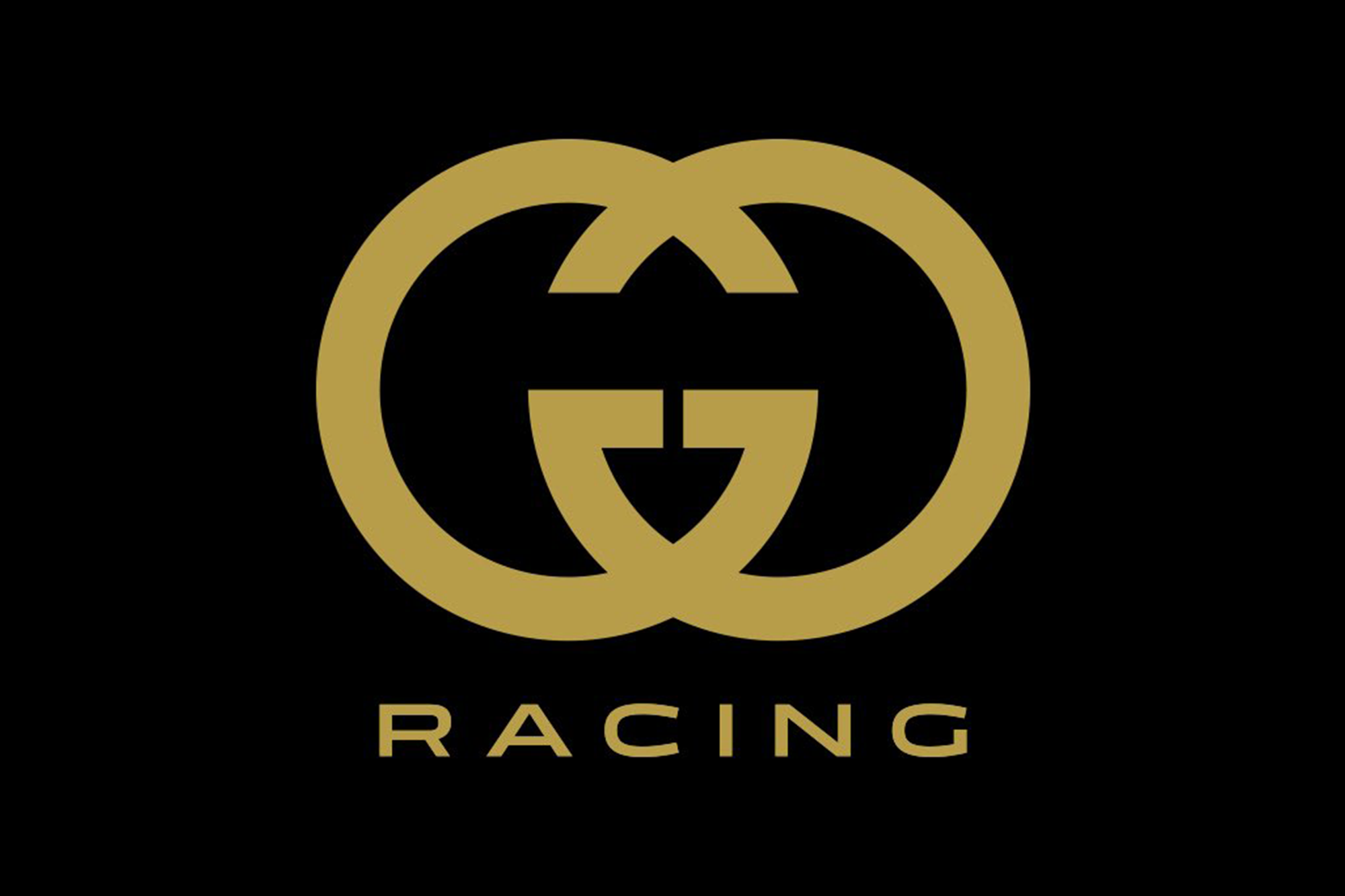
Gucci has created an all-new brand platform known as Gucci Racing to help capitalise on its involvement with Alpine in F1.
The title partnership deal will include the official name becoming Gucci Racing Alpine F1 team.
The Italian fashion house has created an all-new logo for this, which will be used globally as part of a new product line that it will sell, linked to its involvement in F1. It has promised a lot of brand activations too.
But the anchor point for everything will be a full-on Gucci-branded car.
Gone will be the pink that has been a mainstay of the Alpine cars since current title sponsor BWT secured that deal in 2022.
The intention is for Gucci’s famous black and gold colours – including the iconic G logo – to have as much real estate as possible on the A527.
But, as Alpine CEO Philippe Krief made clear, the corporate colours of Alpine itself will not be gone entirely.
He said that, as well as the Gucci colours, there will be "a little blue".
Best-dressed mechanics
Gucci isn’t planning to just sit back as a passive partner and only use F1 as a means of just getting its logos in front of people.
There will be activations based around every race, and the intent is clear that Alpine personnel will be dressed in Gucci products next year.
This counts not only for clothing around the paddock, and team travel kit, but also for mechanics and drivers when they are hard at work. So it won't just be smart suits.
Gucci intends to create performance products that will be worn by mechanics, as well as coming up with its own driver overalls.
It has been promised that its famous artistic director Demna will be fully involved in everything Gucci does in F1 – a project he is well up for.
The plan is for Gucci to try to balance its own style and identity into team wear that can be used in the garage and in the car.
Alpine’s mechanics could become the best-dressed in the pitlane.
Briatore prefers action over excuses
The completion of the Gucci deal is clearly good news for Alpine – as the estimated $150million that the deal is worth is fantastic news for the bottom line.
But despite having a lot of key elements in place for Alpine to get back to the top – which includes the Mercedes engines – Briatore knows that more change is needed if his team is going to get there.
When asked what was now missing for Alpine to be winning races, Briatore quipped back: “Half a second…”
There are plans in place to find that missing time, though.
In the short term that will include a major upgrade for Barcelona in a fortnight that is aimed at curing some of the high-speed instability problems that have beset Pierre Gasly and Franco Colapinto this season.
There are however bigger picture changes that are necessary, which probably includes signing some big hitter names.
“We need to be pushing hard in the factory,” he said. “We need better quality people. We have not achieved what I want.”
Elaborating more on what was still lacking at Enstone, he said: “I’m missing a few quality people with experience, because the team is still very young.”
The quest for some experienced senior personnel to come on board takes place amid speculation about a new shareholder potentially taking on the 24% stake that is currently owned by Otro Capital.
A lot of interest has surrounded the possibility of either the Mercedes squad, or former Red Bull boss Christian Horner taking this.
The latter would clearly fit the profile of the kind of person that Briatore wants to help deliver the next step for Alpine.
And the team could be leaning that way amid the controversy, partly triggered by Zak Brown's recent letter to the FIA, about co-ownership of teams that could make it awkward for a Mercedes deal to happen.
Until the outcome of the Otro sale is finalised, Briatore will keep hunting.
But he well knows that statement deals like Gucci can only help his task in attracting people who believe in the project – and ensure that he can fulfil what he says is his number one priority.
“Our job is to make the car competitive. It’s as simple as that,” he remarked.
“If you don’t have the car competitive then whatever press conference you are doing, it will only be an excuse. We don’t want excuses. We want to be competitive.”
Alpine is fully committed to F1
The manner of the new Gucci Racing team name has, perhaps inevitably, fuelled theories that the current arrangement could mark the first step towards an eventual F1 exit for Alpine.
There have, after all, long been rumours that Briatore’s motivation for pulling together elements like the Mercedes supply, and now the Gucci deal, is about getting a package together so the whole project can be offloaded.
Alpine has long denied that it has any interest in an F1 exit though, a message it reiterated once again in Paris.
But there appears to be more substance to its claims now, as the Gucci deal has strengthened its reasons to stay in grand prix racing rather than weakened them.
First of all, with a major chunk of Alpine’s F1 budget being covered by Gucci’s involvement, the onus on Alpine to fund any shortfalls has fallen away.
Krief thinks there are also other opportunities that come from the Gucci partnership – which include limited edition co-branded models as well as some lessons to be learned about luxury brand markets.
“We are aiming to sell cars that people want and not necessarily that they need,” said Krief. “We need to learn from Gucci about their personalisation, exclusivity and these sorts of things.”
And while the issue of the 24% stake remains in the air – with Briatore suggesting it could be months before things are finalised – Krief is clear that anyone taking that shareholding will remain with only a minority involvement.
“We are keeping the majority because it’s part of the plan of Alpine to continue in F1,” he said. “
“It is still part of our plan to push in F1 with the Alpine brand, because we need to do it. It is part of the big story.
“We need to develop products, we need to develop a network, and more important than anything, we need to develop the brand. That’s why F1 is important and the partnership with Gucci is even more important.”
F1 is a winner for big brands
As one of the world’s most recognised companies, with revenue close to $12billion (USD) per year and more than 500 stores around the world, you would think that Gucci would not need F1’s help to promote itself.
But it is the changing nature of F1 over the past few years that means even companies like Gucci believe they need to be part of it.
The reason is not just F1’s overall global reach but more how the fanbase is changing – and where the audience is now coming from.
Gucci’s analysis suggests that the average age of fans is now 32 – and critically half of the new fans that are being attracted to grand prix are female.
As Alpine executive advisor Briatore said: “Five years ago, the average age was 50/55.”
Gucci thinks that tapping into the opportunities that are offered on this front is huge.
And just as Gucci is attracted to F1 because of the younger and more female audience, the same is even more true for Alpine.
Krief says females account for 30-35% of new car purchases, but they influence more than 70% of purchases. This is why tapping into F1’s fanbase is critical for both team and title partner.