Why F1 cars won't run active aero in Monaco
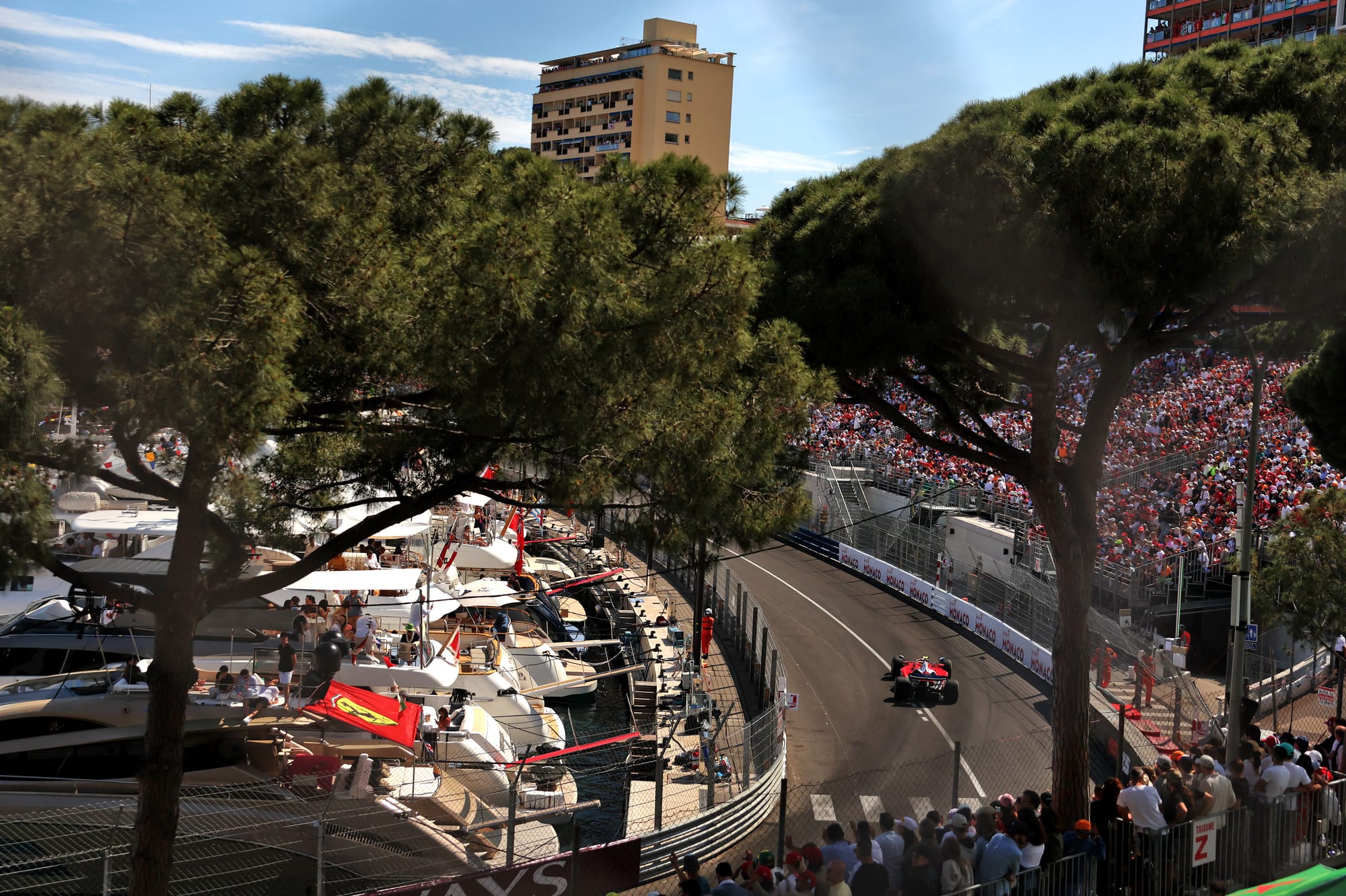
Formula 1 drivers will not run active aero over the Monaco Grand Prix weekend, with the FIA deciding that there will be no straight mode zones.
As part of the 2026 rules package, cars have featured active front and rear wings as a means of reducing drag on the straights.
Drivers switch their wings to run flat in FIA designated straight modes, with the flaps then reverting to a normal raised stance in corners for maximum downforce.
But as the first track map for the Monaco Grand Prix has appeared, it has emerged that there will be no straight mode zones featured at all.
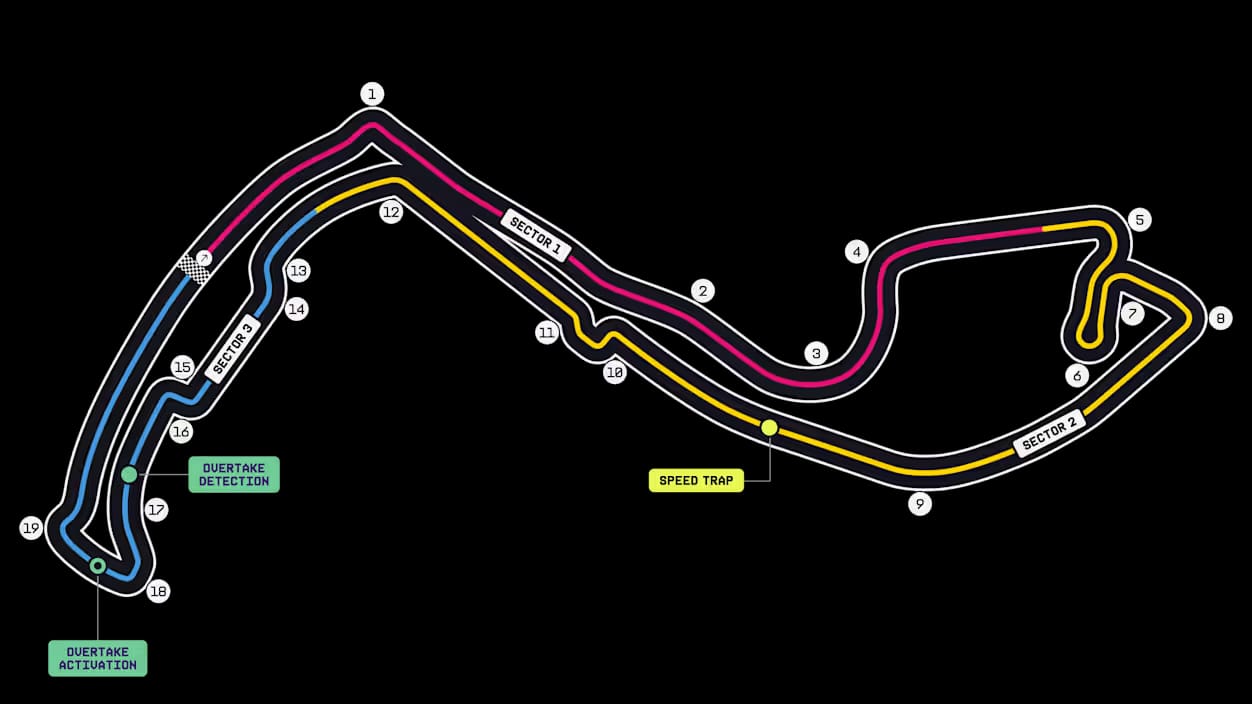
This comes despite there appearing to be some locations where the wings could be opened.
For example, previously DRS – which opened the rear wing flap – was allowed on the short start-finish straight.
FIA criteria in play
The Race understands that the FIA decision to not feature any straight modes in Monaco is the result of the circuit not featuring any areas that fit in with criteria that has been applied at all tracks.
Primarily, the governing body’s stance is that straight modes should only be in places where the cars are not operating at the limit of tyre grip.
This counts not only for lateral loads when cornering but also traction and braking zones – where activation and deactivation of straight mode could impact car stability.
Monaco features plenty of areas where traction and braking are critical, so this has significantly steered the straight mode call.
However, there are other implications that have come into play that have ruled active aero out for Monaco.
There is a minimum duration element where the FIA has decided that each zone needs to last more than three seconds.
This helps avoid short burst uses of it that can unnecessarily add to driver workload without bringing any benefit in terms of performance or fuel efficiency.
It is also essential that any straight mode chosen can remain safe in all conditions – which means not only on low-fuel qualifying laps but also at the end of race stints when tyre performance has dropped off. The priority here is the safe running of the cars.
What also is factored into the equation is the impact that the top speed boost that drivers get from straight mode being activated has on the approach to following corners.
With straight mode reducing drag by around 20%, and boosting top speeds by up to 20km/h, that can have implications if drivers are then arriving at subsequent turns too quickly.
For Monaco, with little to gain from having straight mode in play, safety considerations in not having cars arriving at corners too fast have therefore played a role in the final decision.
Overtaking mode remains
It is also important to understand that the choice of straight modes is different to how things were with DRS, which was used as an overtaking tool.
Straight mode is intended to reduce drag and therefore limit energy consumption to power a car through the air.
This year, for overtaking, F1 relies more on power modes - with drivers getting extra energy if they are within one second of the car ahead at a set activation zone.
In Monaco, the overtaking activation zone will be before the final corner.