McLaren joins Monaco tech trend with intricate winglet
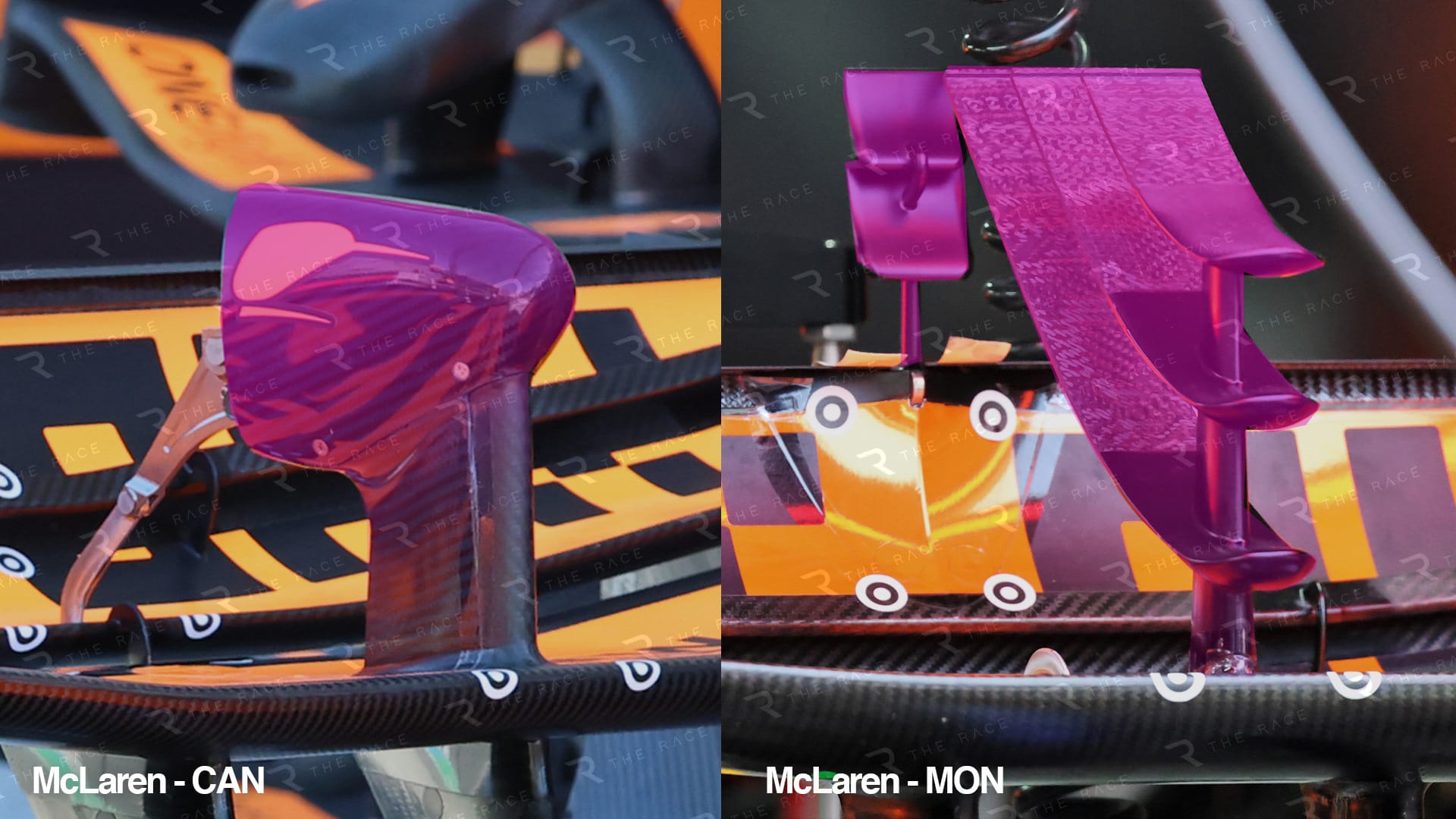
McLaren has joined the Monaco Grand Prix trend of exploiting the removal of active aero to add extra fins to the rear wing of its Formula 1 car.
The FIA has decided not to have any straight mode activation zones for this weekend's race, on what is the tightest circuit on the calendar, meaning F1's moveable aero will not be used for the first time in 2026.
Its absence has allowed teams to jump on an opportunity to remove their normal wing actuators and instead exploit legality boxes where bodywork is allowed to introduce some winglets.
Under F1's technical regulations, as long as the dimensions of any bodywork here fall within an area allowed for the adjuster fairing then that bodywork is deemed legal.
While a number of other teams' winglets were visible earlier on Thursday in Monaco, McLaren waited until late in the afternoon to reveal its design.
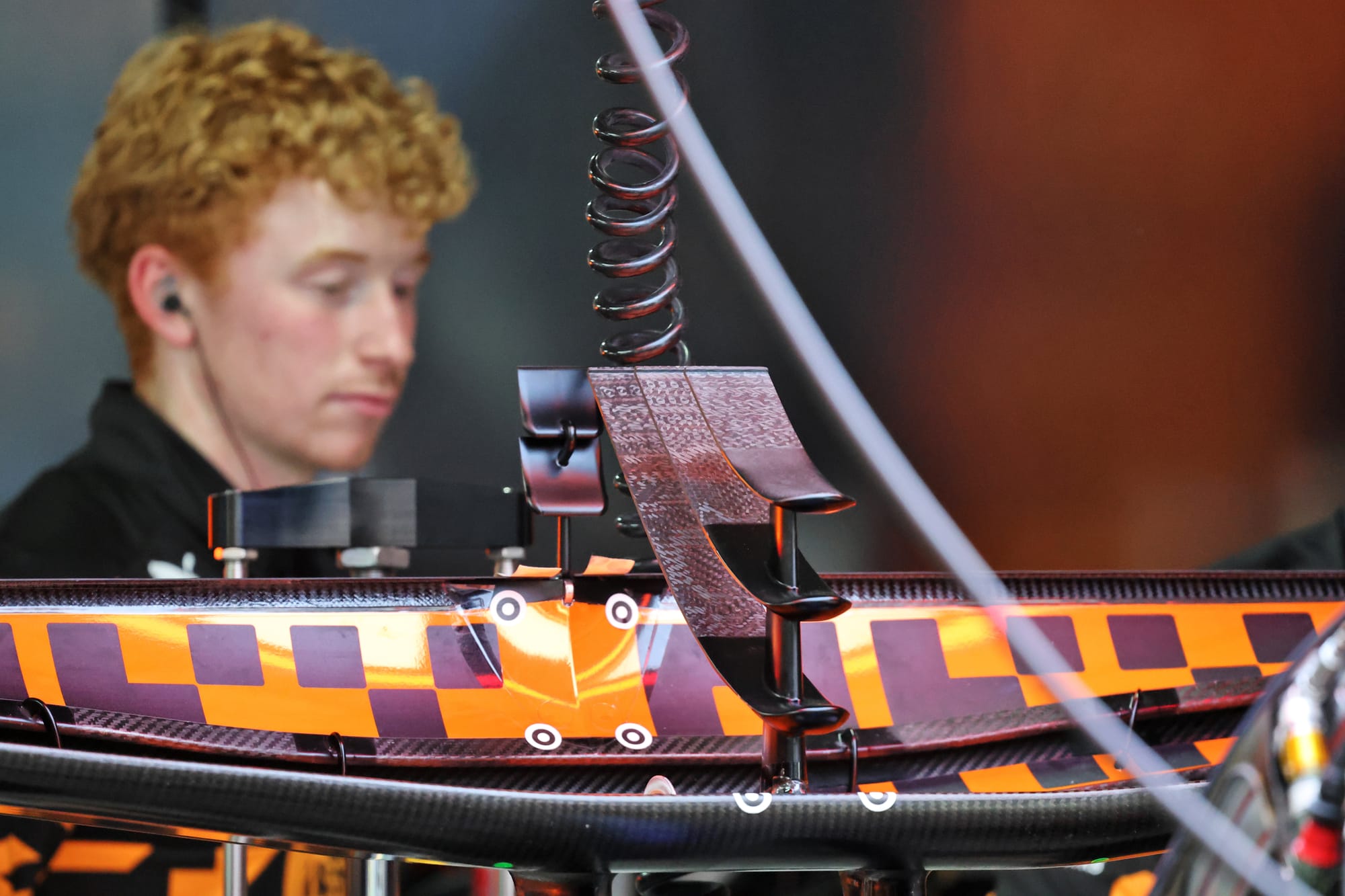
Each team has taken a different approach, and McLaren's is made up of three winglets in the area that the adjuster would normally be in, with two additional wing elements further back.
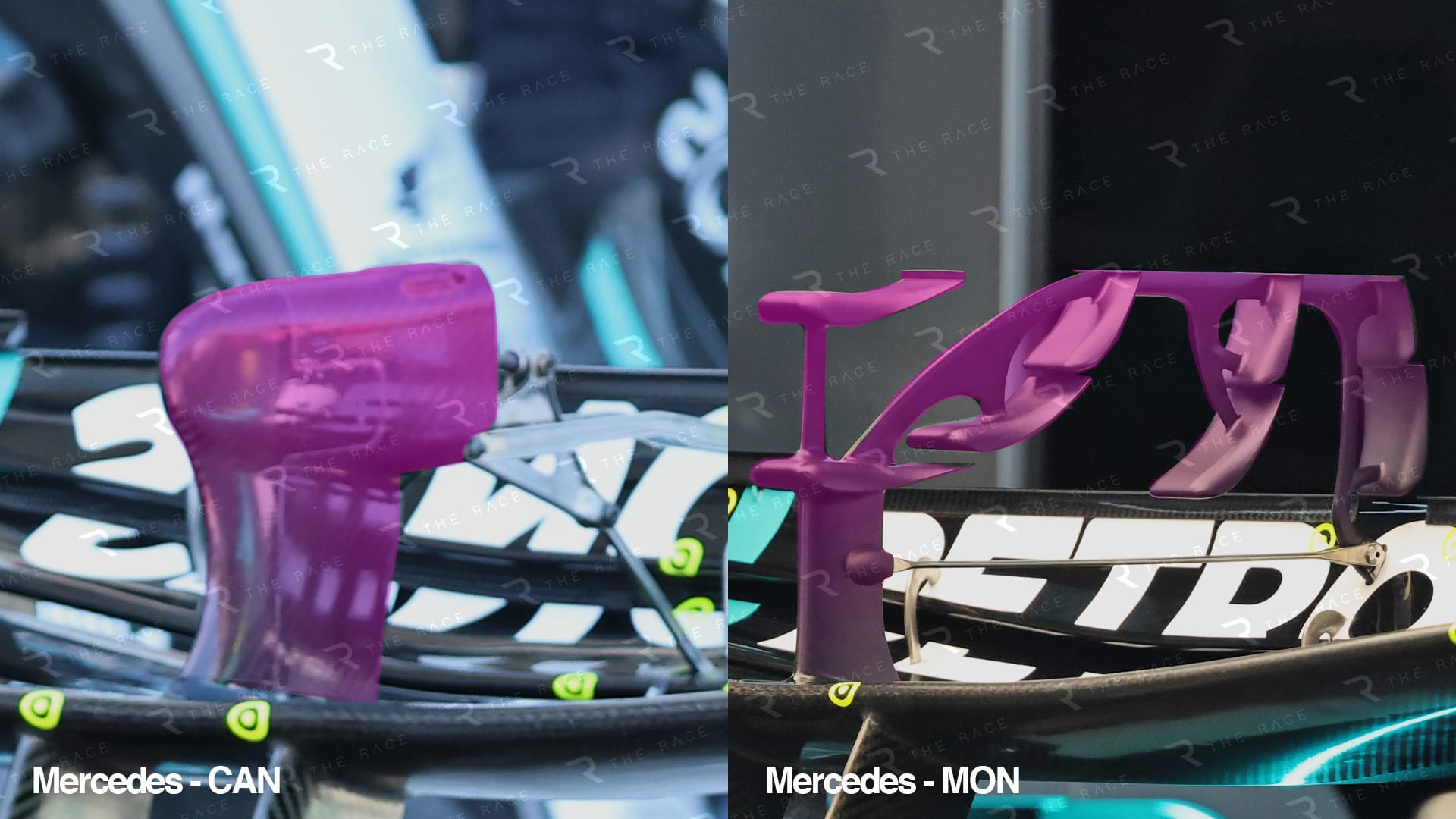
The design is as intricate as the Mercedes version (above), which features a number of winglets positioned off a central column, with a further aerodynamic element at the front of the fairing.
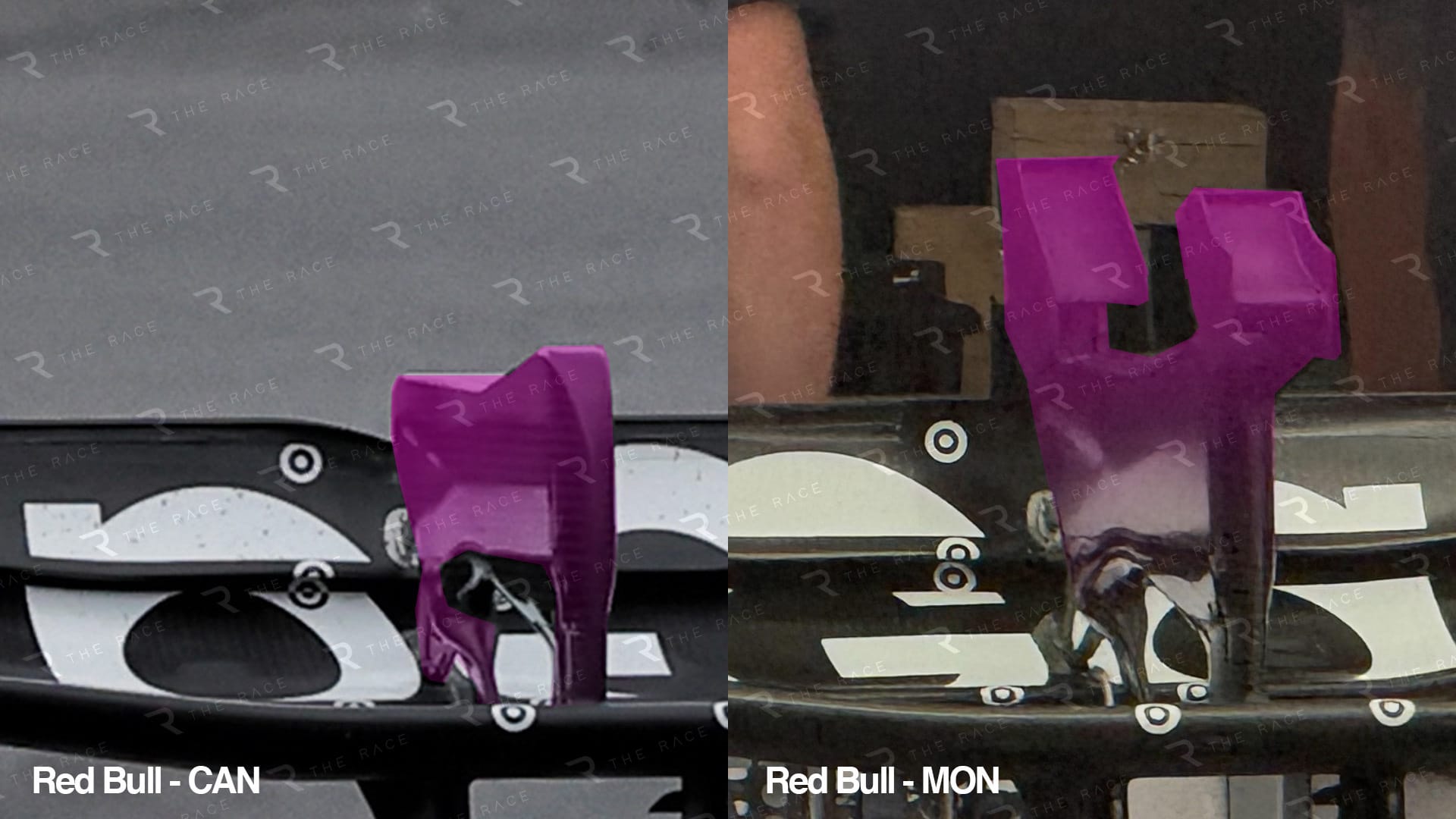
Red Bull's version is simpler in concept and features two mini wings that are attached to its regular adjuster fairing.
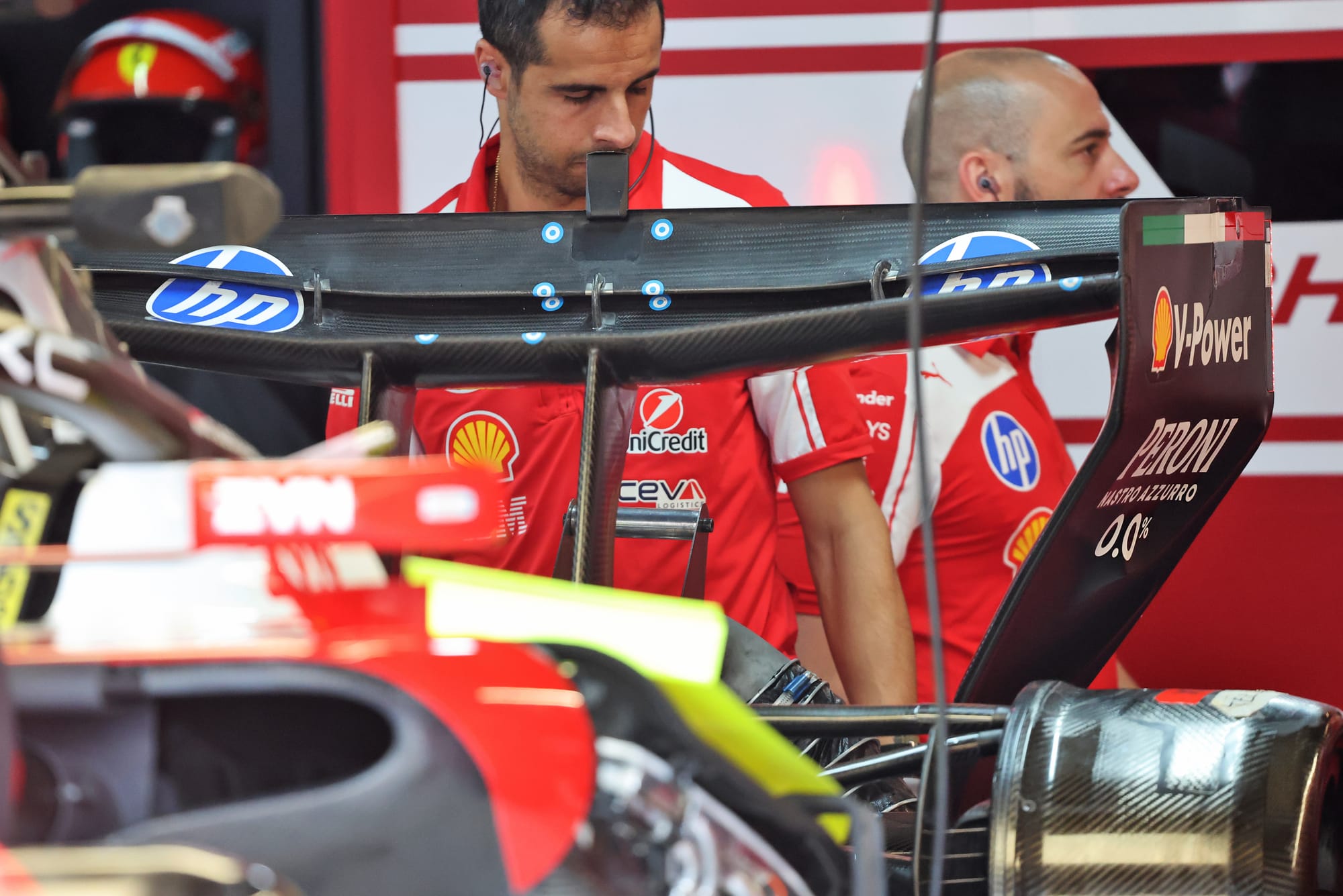
While the Mercedes, Red Bull and McLaren designs are the most aggressive, other teams have not totally ignored the impact and have introduced simpler concepts - along the lines of what Ferrari normally has with its Macarena rear wing - of a wing tab fitted to the rear wing itself.
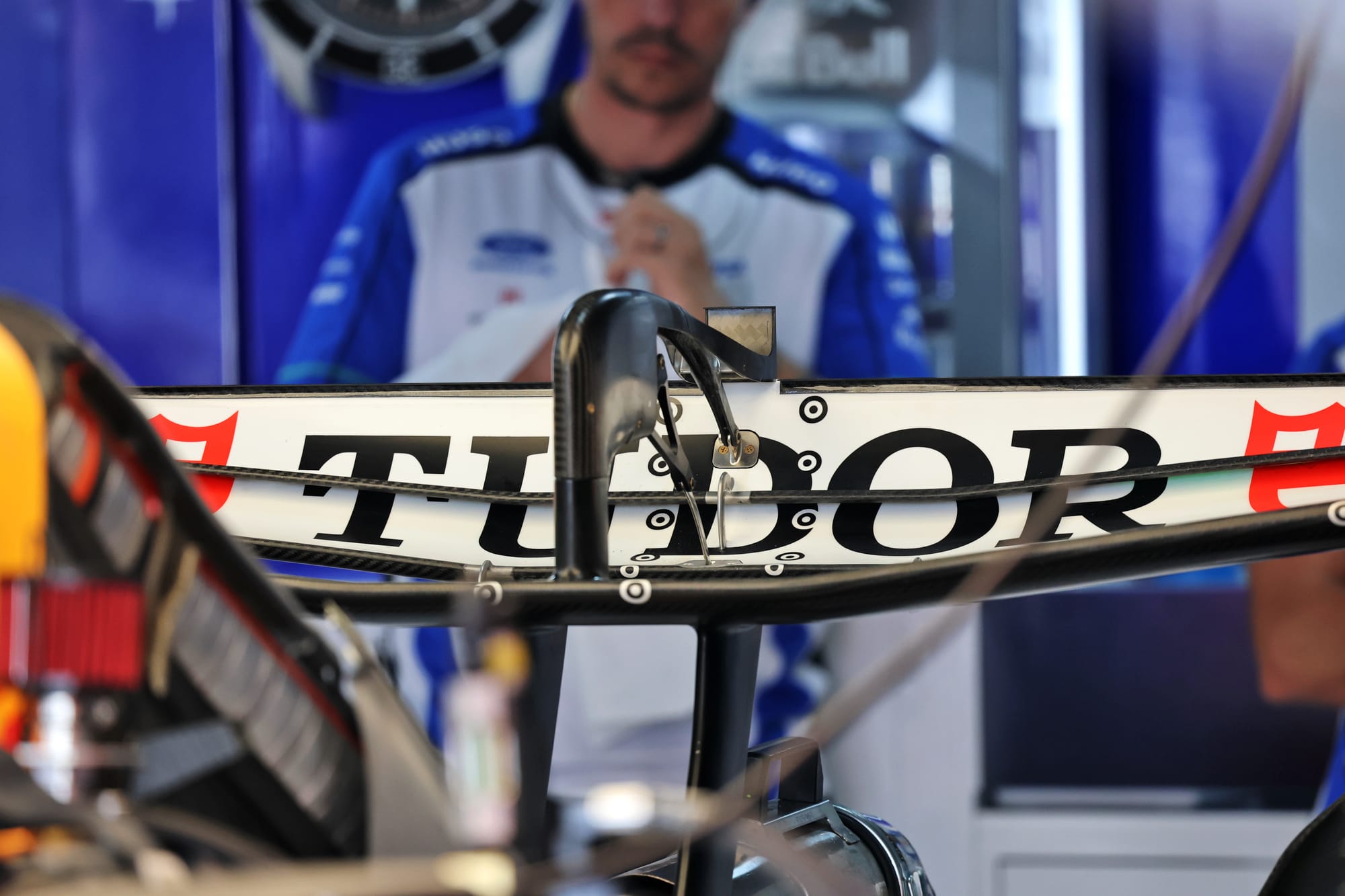
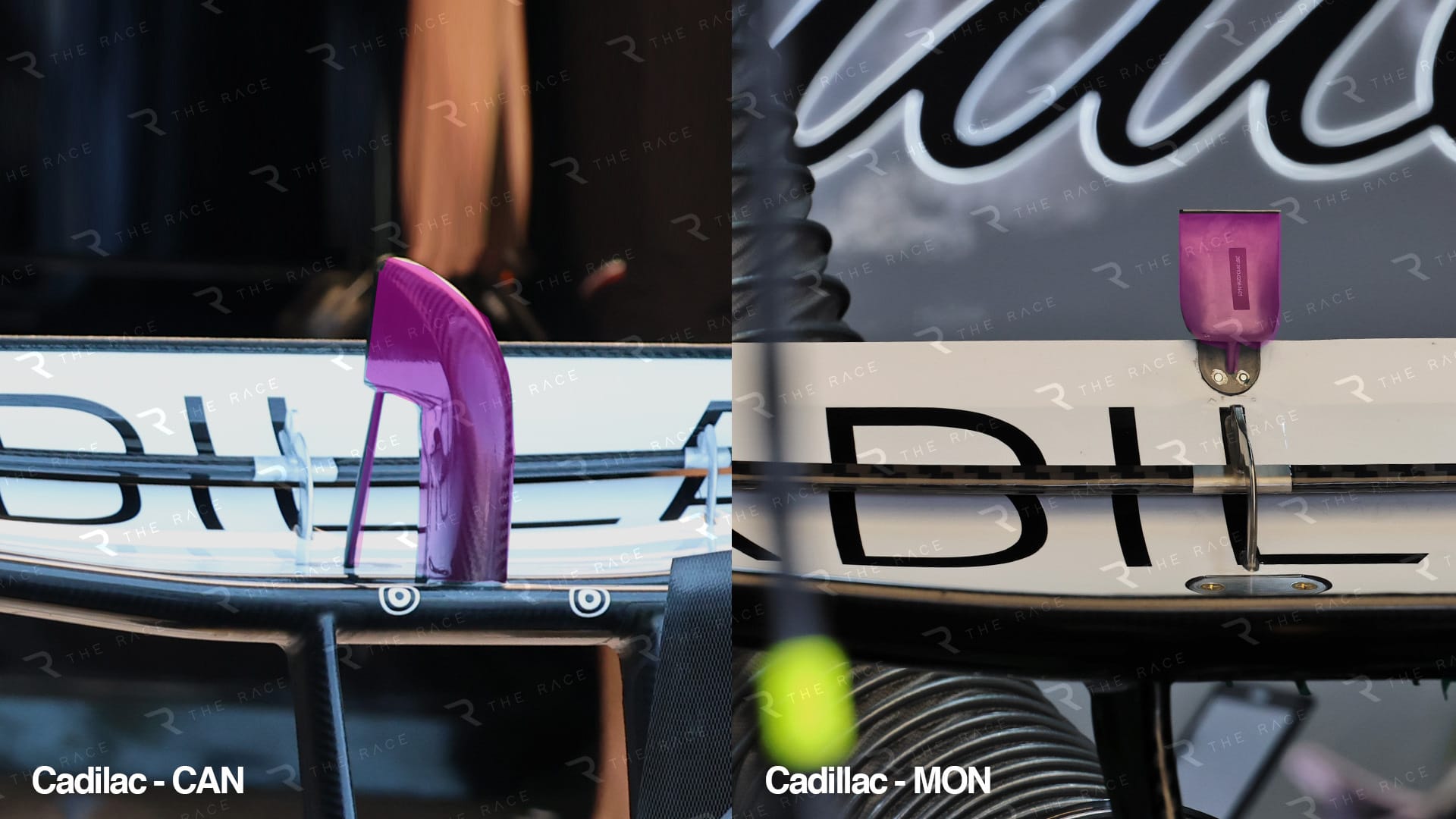
Racing Bulls (above) and Cadillac (below) both feature an attachment on the upper flap that is designed to help improve downforce.
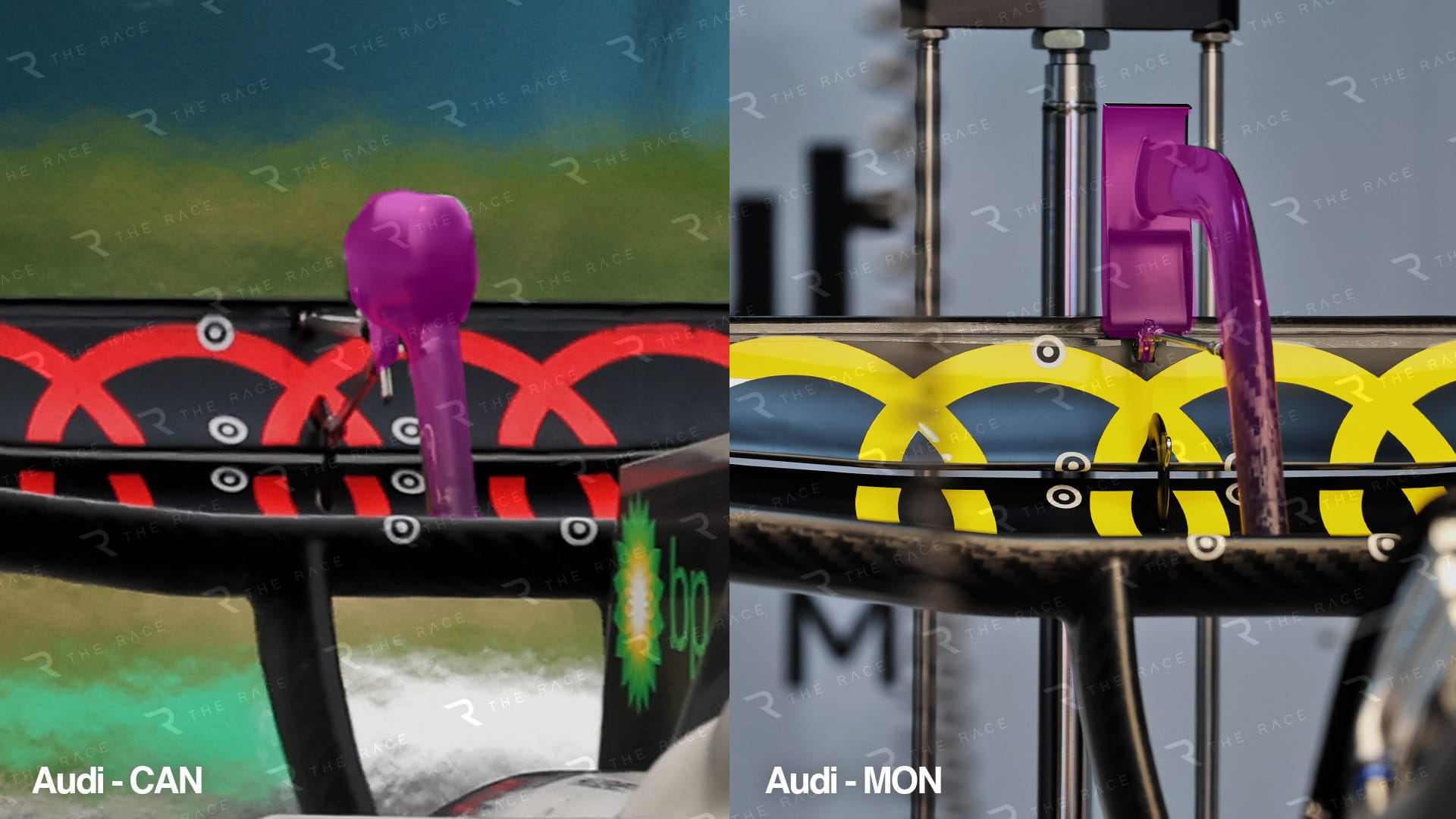
Audi's extra wing flap (pictured below) is a step beyond what others have done on the upper flap, with Alpine having one of the smallest.
While the new rear-wing elements have grabbed attention in the build-up to the Monaco GP, it is understood that the performance benefits from them are not so significant.
Sources have suggested they are worth just hundredths of a second in laptime improvement which, although not a lot in the world of F1, is still worth chasing.
Haas team principal Ayao Komatsu suggested that his squad had not pursued the concept because of the limited benefits.
"It's such a small thing - it's not a game-changer," he said.