The driver who transformed motorsport sponsorship
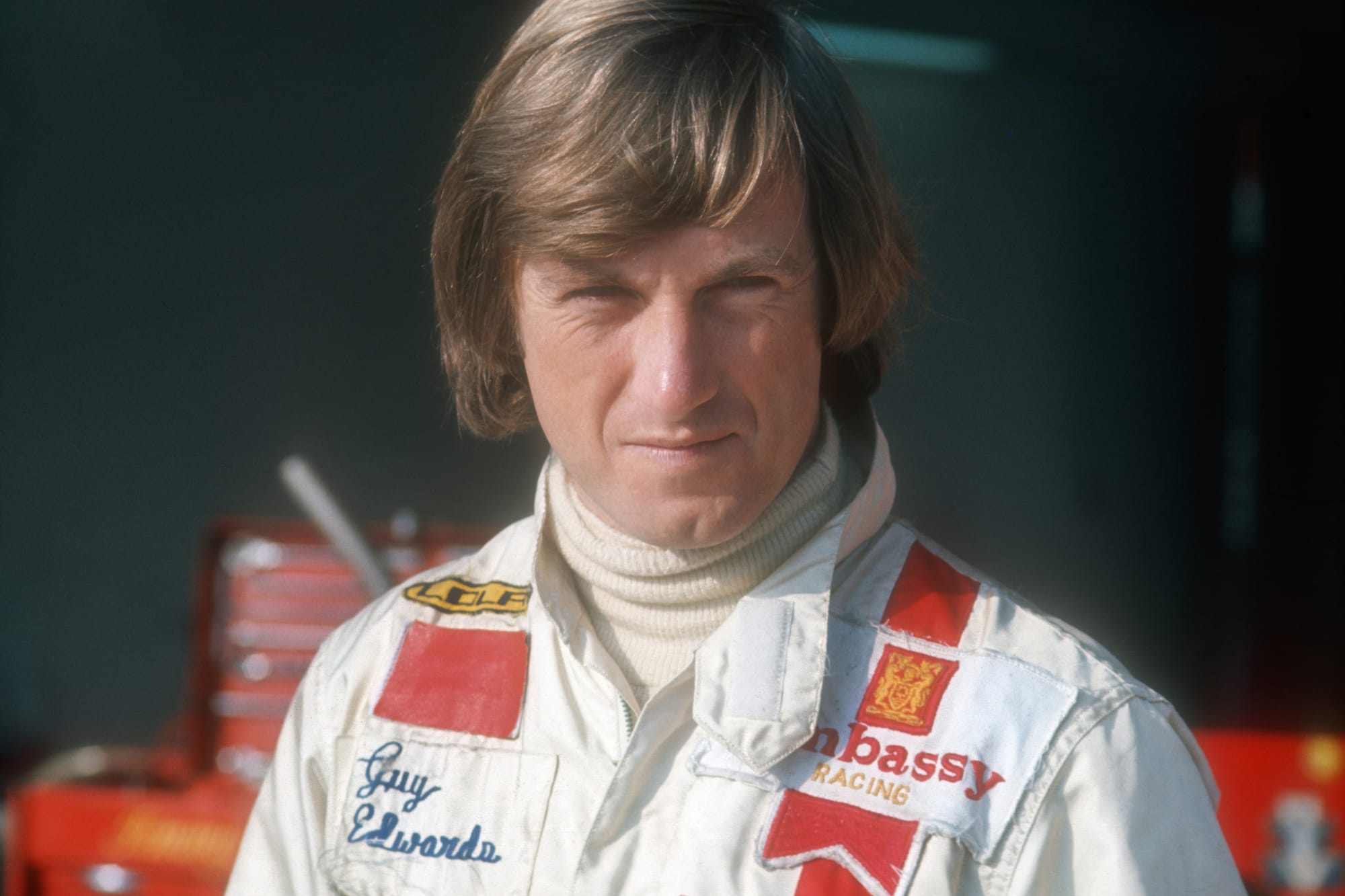
It's not disparaging to say that Guy Richard Goronwy Edwards was a decent, but not an exceptional, racing driver whose rise through the motorsport echelons to Formula 1 was predicated on large amounts of sponsorship dollars.
However, the difference between Guy and other drivers who used family wealth to advance their careers was that Guy found the money to fund his (and many other drivers' and teams') racing programme through creativity and hard graft. As a sponsorship finder, Guy Edwards had no peer.
Guy sadly passed away last Friday aged 83 but his legacy endures because even now, several decades after he pioneered commercial sponsorship in motorsport, every sponsorship in F1, World Endurance, Formula E, IndyCar and every other form of motorsport is based upon sponsorship principles pioneered by Edwards or variations of the concepts that he established.
Whilst other writers will write more eloquently about Guy's racing prowess, his exciting life and his bravery that earned him the Queen's Gallantry Medal for his role in pulling Niki Lauda from the Nurburgring fire in 1976, I wanted to remind everyone of Guy's other skills.
For me, it's important to understand just how visionary Guy was in establishing the foundations for contemporary motorsport funding and how good he was at creating value propositions for brands through motorsport. It is not too grand a statement to say that it was Guy Edwards who commercialised motorsport.
Back in 1992, my great friend, the late Russell Bulgin, co-operated with Guy on a book which was half Guy's racing story and personal life and half a textbook for how to go about creating sponsorship propositions. The book, entitled ‘Sponsorship and the World of Motor Racing’ by Guy Edwards, is a rare item, as to my knowledge, only one print run was ever commissioned.
Weighing in at 2.5kg and encompassing 447 beautifully illustrated pages it is literally the book on sponsorship which defines Guy's approach, methodology, success and failures.
Nothing would tempt me to part from my version and its well-worn pages are testimony to the times I have sought inspiration and gained confidence from a re-read.
So many of the iconic motorsport sponsorships, liveries and memories from top level motorsport from the 1970s through to the 2000s are the result of Guy's hard work: The Embassy Hill team, the visionary Penthouse Rizla Heskeths, ICI's F2 and then F1 programmes.
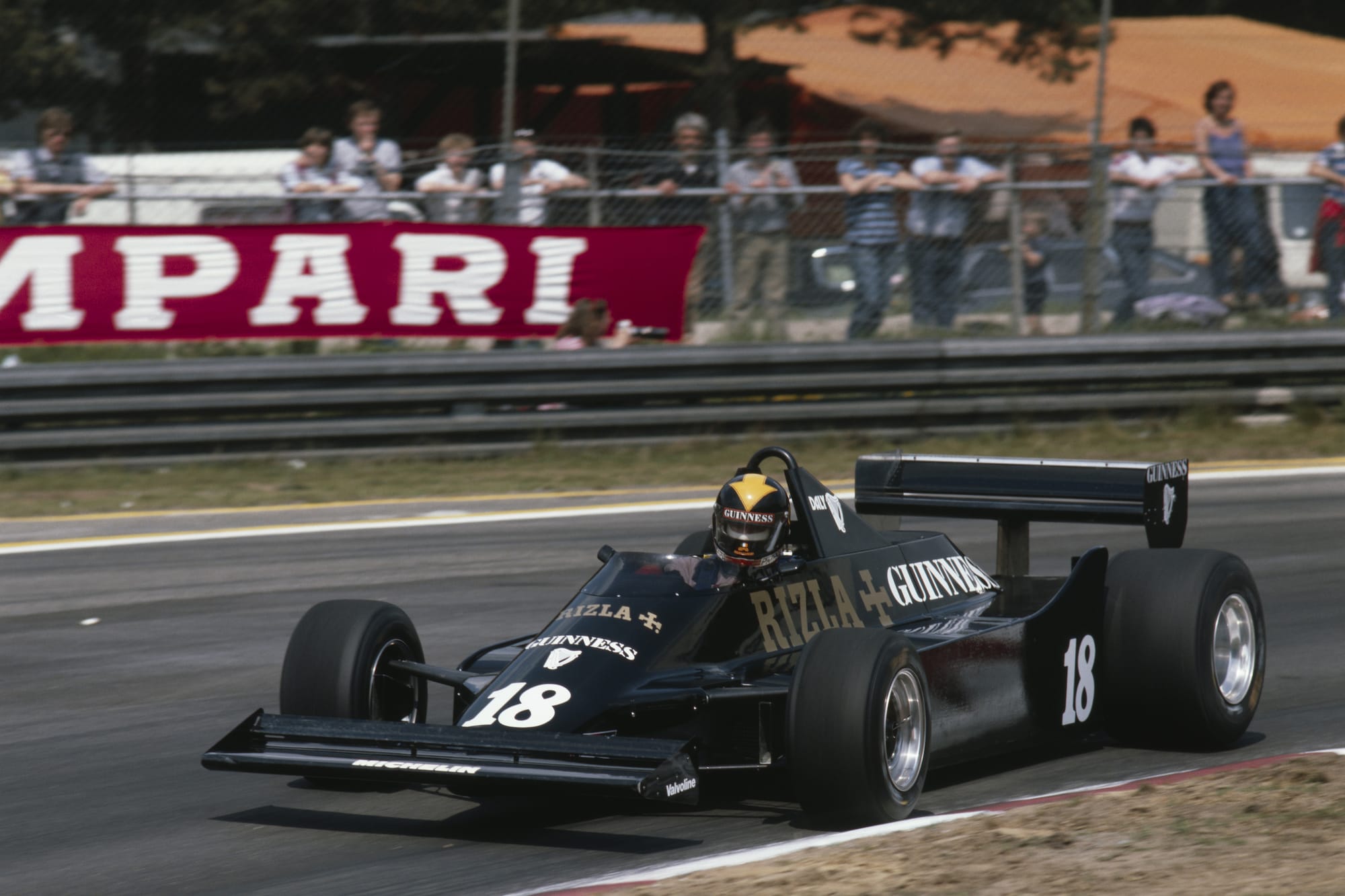
Later on, Guy brought Rothmans into F1 and Group C endurance racing, Guinness into F1 and - probably the most liked and remembered - set up the Silk Cut Jaguar programme which won the Le Mans 24 Hours in the late 1980s. And there are many, many more examples.
For me, Guy will be fondly remembered for establishing sponsorship models which have stood the test of time and are still being used albeit in digital guises to this very day. For Guy realised that creating value for his partners was the key to longevity and (at that stage of his career) to be able to continue to race and to live his dream.
The idea of creating a no-cash media partnership that provided value-in-kind in the form of pages of advertising that could be used to add value to a sponsorship partnership was Guy's original thinking.
For years, he used the concept with partners such as Titbits, Penthouse and Newsweek to create value propositions for sponsors to fund his British F1 Championship programmes (with Mopara and Gillette), and F1 (Rizla) and F2 programmes for Ron Dennis (ICI Chemicals) to use just a few examples of Guy's success.
A motorsport sponsorship proposition that included editorial and advertising coverage in high circulation magazines for just the cost of the sponsorship became a compelling proposition when taken to boards for approval Look at McLaren Racing's extensive list of partnerships in 2026 and you will see Zak Brown's digital broadcast version of this Guy Edwards model through McLaren's partnership with CNBC.
Behind many sponsorships are solid business propositions where a sponsorship partnership has been evolved to underscore and highlight a business relationship. And of course, it was Guy who was first to realise the potential of what we now refer to as a B2B (business-to-business) sponsorship. Chasing dollars for a Jaguar IMSA programme and co-sponsorship of the Silk Cut World Endurance programme, Guy sold Jaguar on a partnership with Castrol lubricants whereby Jaguar agreed to fill every car from its production line with Castrol products and to ensure that each Jaguar used the same at each service interval. In return Jaguar would enter into a multi-year sponsorship of Jaguar's racing programmes. Truly, a win-win partnership.
Today, countless sports sponsorship deals have been based on this model – Mercedes Benz commercial vehicles and Petronas is a good example that endures today and it's also a model that I used a few years back to broker a six-year partnership between Shell and Mahindra.
To further illustrate Guy's achievements, in his latter career, he brought his commercial wisdom to other sports (America's Cup sailing) and even to institutions such as Heathrow Airport.
So, let's remember Guy as a very decent racing diver, a brave hero who risked his own life to help save Lauda but above all as a consummate sponsorship finder who literally wrote the book.
RIP Guy and thank you for your teaching and learnings, the world of motorsport owes you an enormous gratitude.