What's unique about MotoGP's newest winner - and his big decisions
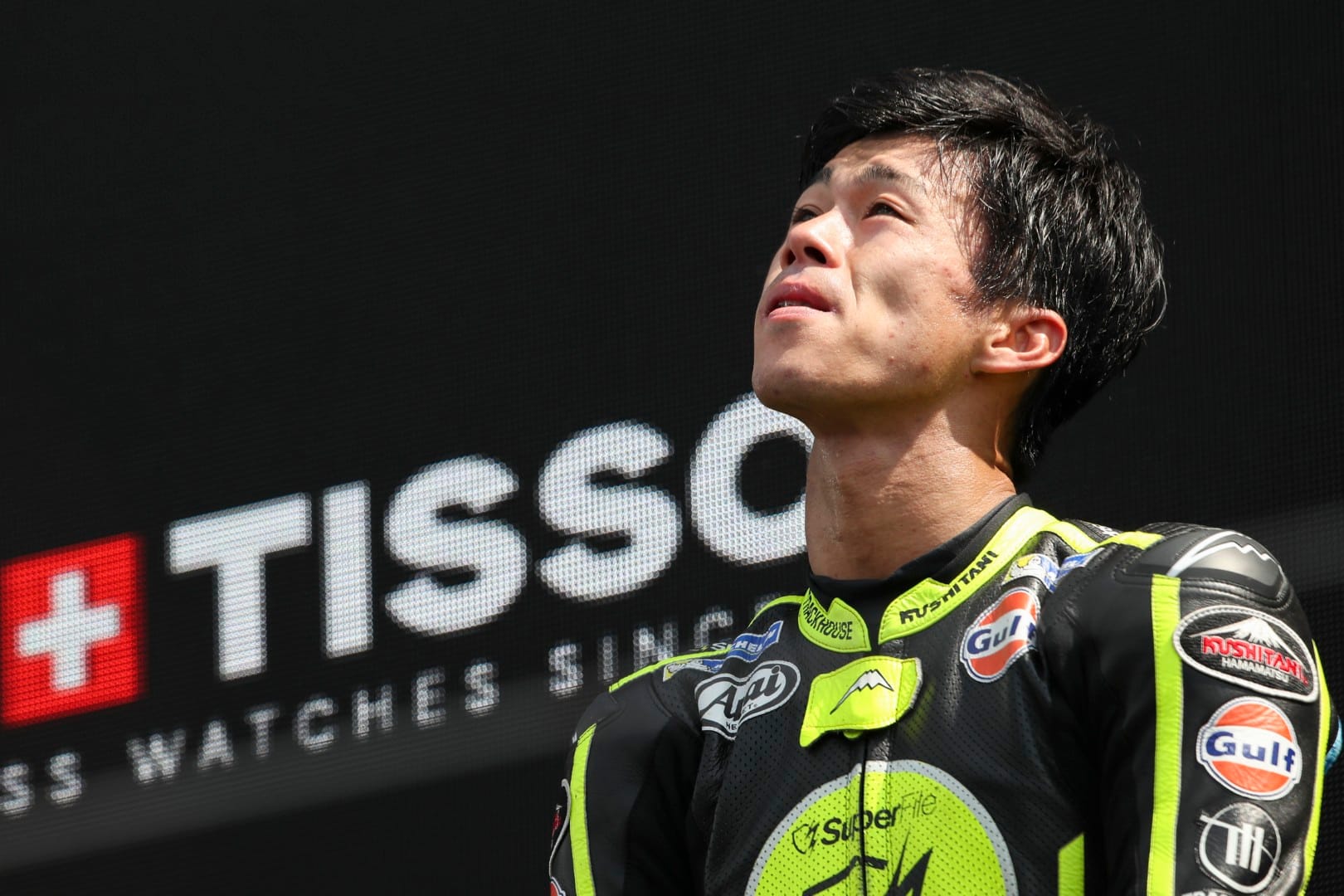
Since coming into MotoGP as the reigning Moto2 world champion, Ai Ogura has trodden a somewhat unconventional path - given just how different he is from most of the rest of the grid in terms of not just riding style but also character and attitude.
Yet, as last weekend’s incredible win at the Dutch TT showed, it’s clearly a strategy that has worked so far for the Japanese racer - and has put him on the path to future superstardom as he heads into 2027 signed up to race a full-factory Yamaha alongside MotoGP world champion Jorge Martin.
But what exactly is it that makes Ogura a standout among his rivals? Well, without resorting to lazy national stereotypes, it’s very clear that Ogura is very much the quintessential Japanese racer, with all the benefits that that brings to the way he doesn’t just race but also prepares for racing.
That’s not something that he’s only just discovered in MotoGP, of course. He’s always been a racer, very fixated on doing things to his plan, even to the extent of rejecting his initial promotion to MotoGP with Honda, which had up until then nurtured his career.
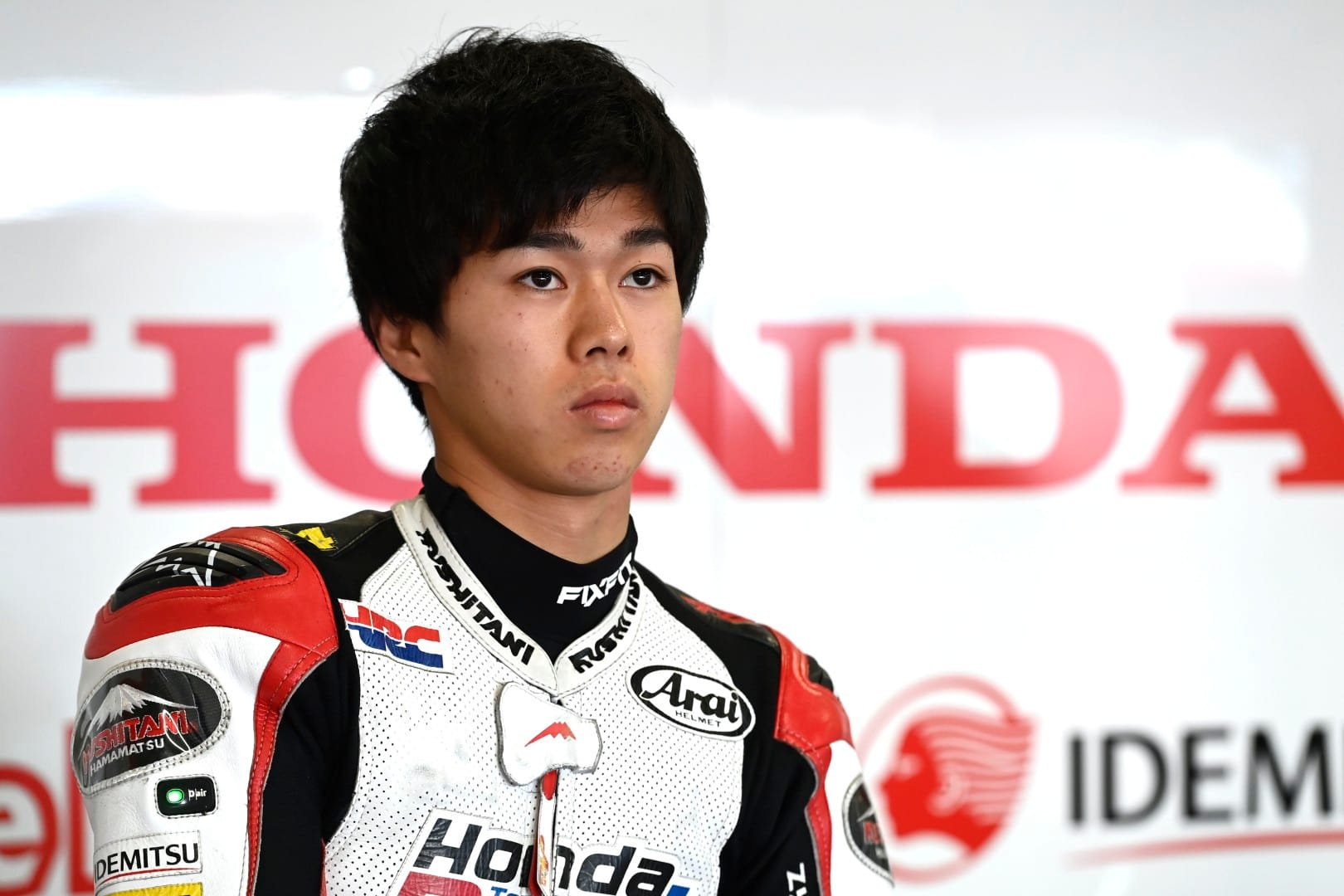
A product of the Asia Talent Cup, when he moved into grand prix racing, it was with Honda Team Asia, spending five years with the squad and ending up third in the Moto3 championship in 2020 and second in Moto2 in 2022.
With Ogura in line to replace Taka Nakagami at satellite Honda MotoGP team LCR, we got a first glimpse in 2024 of how Ogura operates when he turned the chance down, instead eventually switching to the MSI team and its Boscoscuro bike - and immediately winning the championship.
Again offered a MotoGP chance with Honda for 2025, he again turned it down, instead joining the Trackhouse squad on what looked then like a rapidly ascending Aprilia machine - a prophecy that very much proved to be correct.
Since then, it’s been a rise to the top, stopped only by an injury sustained at Silverstone midway through his rookie season. Already battling for top-five performances in his opening rounds (and, in fact, P4 in his very first sprint race in Thailand), it’s very clear that he is already wholly at ease in the premier class - and that Sunday’s win was only ever a matter of time.
Of course, that’s absolutely no surprise at all if you’ve spent even a few seconds in the presence of the notoriously quiet racer. Very much a man of few words, he’s perhaps most reminiscent of peak Kimi Raikkonen in how little he bothers engaging with the media - except, perhaps, that in Ogura’s case it feels like it’s happening not because of bored contempt, but rather because he genuinely doesn’t really like talking about himself.
When he is put on the spot by the media, it’s more common to hear him mildly critical of his own performances (even on the good days!) than it is to hear him engaging in self-praise.
One-word answers, dissatisfaction with not extracting his full potential, and quiet amusement at long-winded questions are Ogura characteristics, rather than the extensive explanations and pontifications some of his counterparts favour.
There’s a hint in that of what makes Ogura so special, too, though. Speaking to some of his training partners, his whole style is best characterised as slow-and-steady, using the minimal amount of energy to extract the maximum performance.
Rivals have even admitted to being quite jealous of how the 25-year-old manages his races, with his very old-school smooth style meaning that he’s never expending unnecessary effort - something that allows him to thrive in high temperatures and extend tyre life.
"Ai is simply amazing," VR46 Ducati rider Fabio Di Giannantonio raved earlier this year. "His skills on [corner] entry are amazing. Since Moto2, if you see, he has massive control on entry. He's super precise.
"And how he is on the bike, I think, is the perfect compromise to make the bike turn the most and also not stress the tyres. So, on my side, I really like how Ai is riding."
And while many are questioning what on earth has led him to a Yamaha deal in 2027, rejecting the chance to stay with Trackhouse and keep winning on a sure-thing Aprilia, it is a sensible bet to make in the medium term.
There’s no way at all, of course, that Yamaha isn’t going to return to winning ways in MotoGP at some point. Right now, Ogura joins a project in a development phase, with a chance to steer it in his way - and an attitude that means he’s going to be able to deliver considered feedback to Japanese-speaking engineers in a way that’s likely to be both direct and polite.
Whether it ends with title success or not is still a question to be answered, but one thing is for sure: Ogura has more potential than any compatriot since the childhood hero whose number he still carries on his shoulder - Daijiro Kato - to do something incredible for a Japanese manufacturer in MotoGP.