How F1 drivers have become hostages to AI in 2026
Formula 1 drivers have become hostages to the AI underpinning the 2026 power units, with results being decided by computers either behaving or misbehaving.
Nowhere was this more exposed than at Spa. Everyone knew that this was a worst-case scenario type of circuit for these regulations, as energy-starved 2026 F1 cars mixed with long straights and high-speed corners is a painful combination.
But the extreme energy demands of the circuit exposed a wider issue with the current rules that is more alarming for drivers, as they're fearing they're becoming beholden to algorithms that are deciding when and where to deploy energy around the lap.
Those algorithms are forward-thinking and shifting around deployment based on predictions.
Big straightline speed differences across identical cars over the weekend often prove baffling for drivers and teams.
Just look at George Russell's crisis of confidence at Spa, as he was almost brought to tears at how a mysterious straightline-speed deficit was ruining his weekend.
His Mercedes team estimated a power unit deployment problem into the Bus Stop chicane was costing him at least two tenths of a second to team-mate Kimi Antonelli.
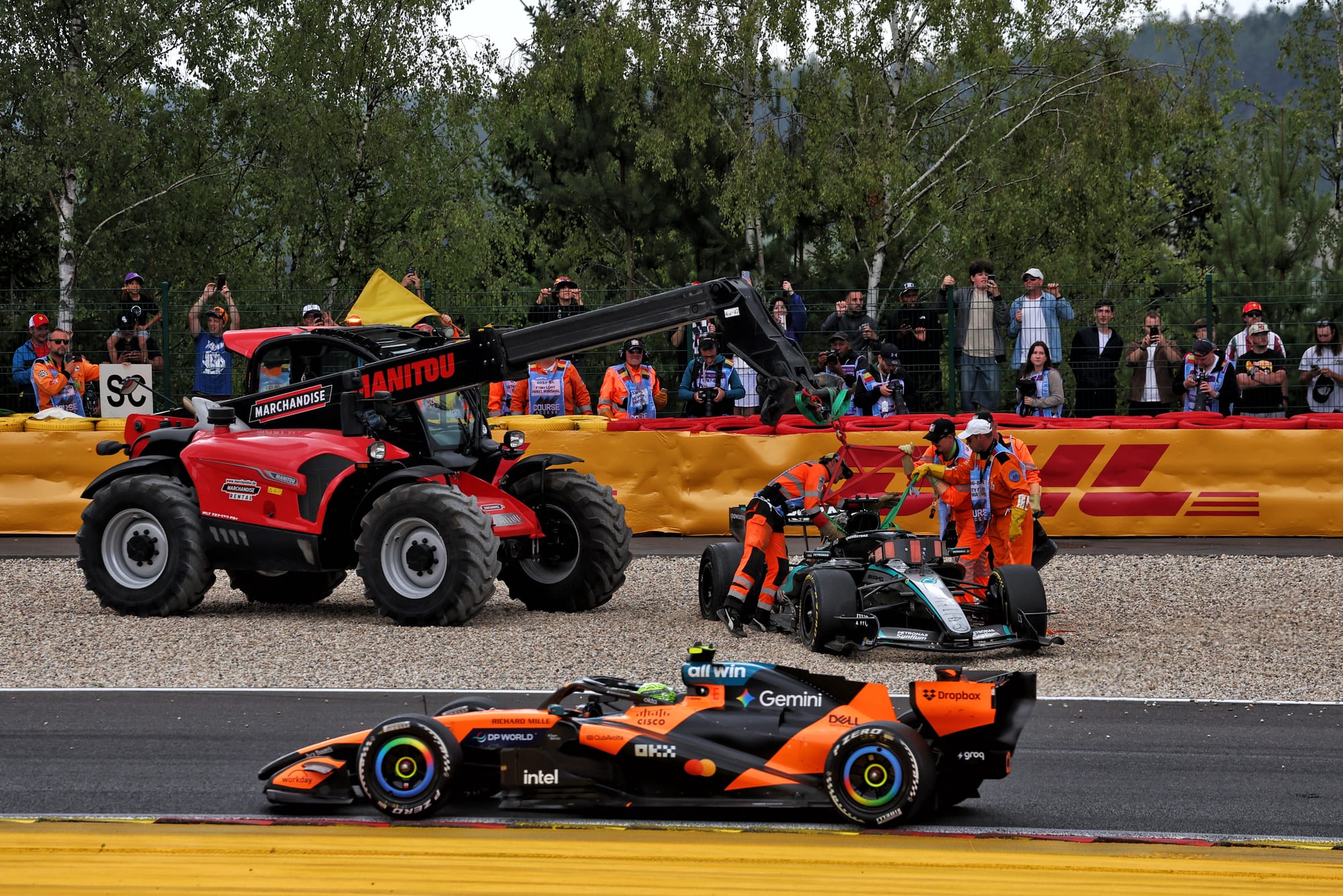
And a separate deployment issue out of La Source for all Mercedes-powered cars was a major contributor to Russell being swallowed up by the lead pack on the Kemmel Straight on the opening lap and his subsequent race-ending collision with Lewis Hamilton.
The problem is these issues are often only found after sessions, so drivers have to toil with them, not knowing if it's their driving costing them time or an underlying issue out of their hands.
Down to luck?
Drivers are suffering through quirks of the machine-learning algorithms that can't be predicted in real time.
So there can be post-session explanations like too much wheelspin in one corner wasting energy, or a driver hitting more than 60% throttle out of a corner so they burned their battery there, and these tiny details are becoming ever-more influential and have overtaken the typical skills of being better and quicker through corners.
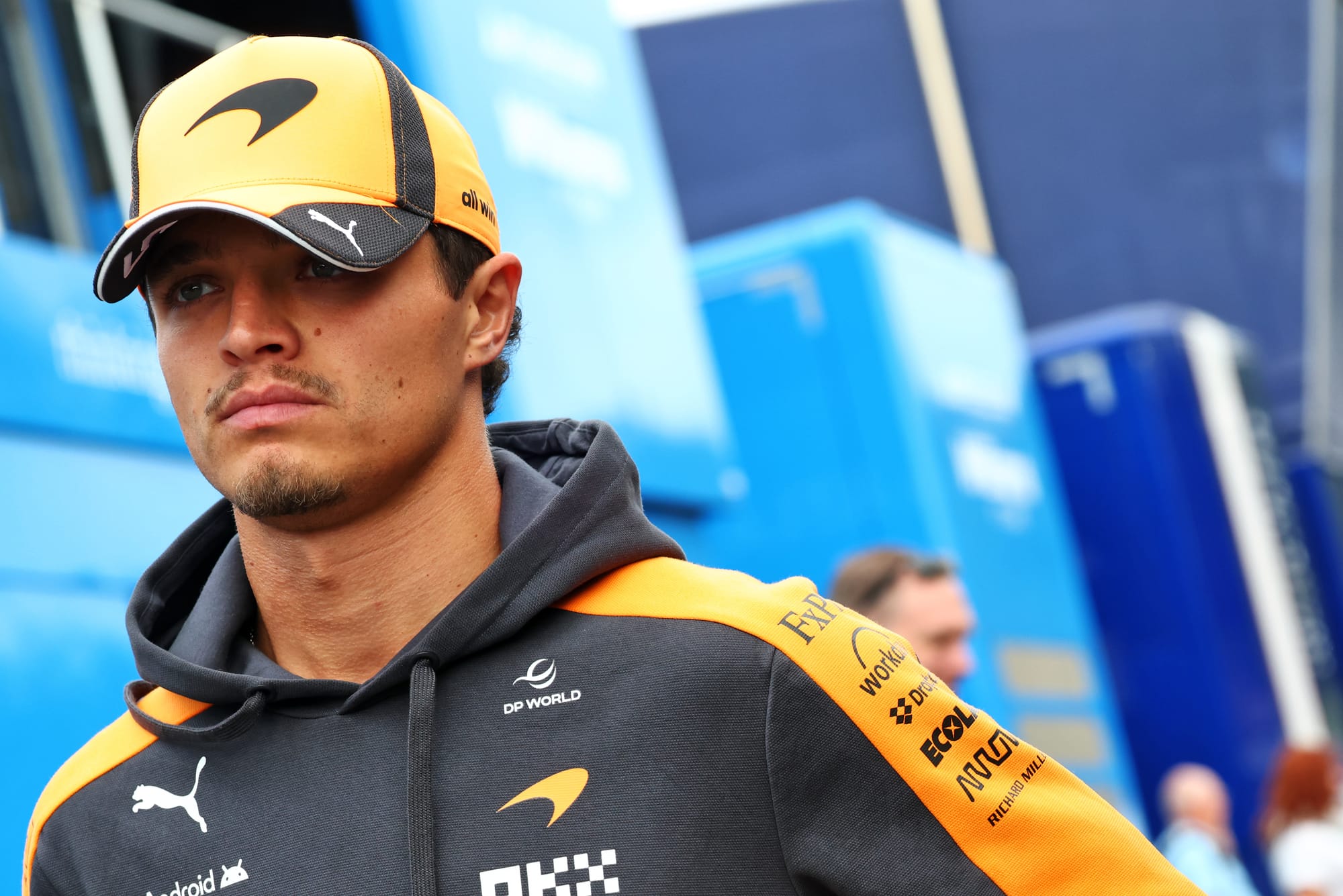
McLaren's Lando Norris suggested there were too many random things - such as happening to hit the boost button in the right place - deciding if a driver does well or not.
"It's not down to the driver," he said. "It's just down to hoping you get lucky that the power unit does what it should do and doesn't do something silly."
He says it's "been costing him the whole year".
Worst of all perhaps is the importance of self-learning computers that are being used to maximise the energy deployment around the lap.
They help calculate how much power should be used where and when on the track, and they shift it around based on a host of parameters aimed at predicting how the lap will play out.
It sounds like a very efficient way of doing things, but it is incredibly complex and has potential to go wrong - leaving drivers completely powerless to do anything about it.
When teams talk about software problems - such as the one that befell Russell on the opening lap at Spa or that Oscar Piastri suffered in qualifying, as he had a confusing top speed deficit to Lando Norris on the run to the final chicane - it is often these algorithms they are talking about.
Piastri's McLaren team principal Andrea Stella explained that the power units are "forward thinking" while being driven around the lap and constantly adapting to the inputs they get from the driver.
Those inputs are never going to be identical from lap to lap and also the simulations used to prepare them ahead of the weekend can't account for changes in wind, track grip and differing inputs from the very human drivers.
So teams are very much learning about how the power units are operating during the weekend and sometimes can only spot issues when it's too late.
Mercedes team principal Toto Wolff even admitted it was somewhat fortunate Russell's issue was spotted at Spa, as it would be far harder to spot at an energy-richer Hungaroring circuit that's next up on the F1 calendar.
Russell could have simply sounded like a paranoid driver, when in fact he had a genuine issue with his power unit. It might make other drivers wonder if they too have an undiagnosed issue.
It doesn't just affect a driver in a straight line either because if a driver harvests more with a super clip before braking, then you can be braking 10km/h slower, and so your braking point changes.
Piastri spoke on behalf of several drivers after the Spa weekend, criticising the prevalence of the computers' influence on the power unit. He called it "nuts" and said he's spoken to other drivers who have a "similar story" to Russell's problems.
"When you've got qualifying decided by computers behaving or misbehaving, it's a pretty crap way of going racing," he said.
What seems to annoy the drivers most is that all their efforts to be quick in the corners and do a job in the area where skill is supposed to shine are being wiped away by a computer deciding they cannot have power when they want it.
It's a problem that has been in the background all season - and we understand some teams even turn these self-learning algorithms off for qualifying to avoid these kinds of issues.
The problem won't go away
While these self-learning problems are not so prevalent at energy-rich tracks, so this issue is unlikely to rear its head at the Hungaroring, for example, it does not mean the issue will go away totally.
But what of the 2027 and 2028 power unit rule changesm where F1 is going to do a two-step shift from the current 53/47 split between internal combustion and battery power towards 60/40 in 2028?
That's going to ease some of the complaints to do with super clipping and downshifts in high-speed corners, but it's not going to take away the machine-learning algorithms.
As Piastri said, the same computer systems and self-learning tools are going to be present on the cars no matter how much extra fuel is being pumped into the engine or how much energy is available.
He does think it will get better when the manufacturers understand the engines more, as there's still so much being learned weekend to weekend - hence the current difference between the factory Mercedes team's exploitation of its power unit and customer McLaren's understanding.
Just look at the new Mercedes qualifying trick we revealed at Silverstone that caught everyone, including McLaren, by surprise, as Antonelli and Russell were unusually lifting off before the line - something they also did at Spa.
There's bound to be more tricks that emerge as there's so much the teams still don't know about these power units and how the autonomous parts of them think and "forward plan".
Whether F1's chiefs share the drivers' concerns remains to be seen, but you can't imagine fans are going to like knowing how much influence is outside of the drivers' hands. F1 is, after all, all about the drivers.
But in 2026 it's never been harder to actually tell who is doing the best job. Has one driver outqualified another by two tenths on merit, or was there simply a weird, self-learning algorithm quirk that denied a driver deployment on a particular straight?
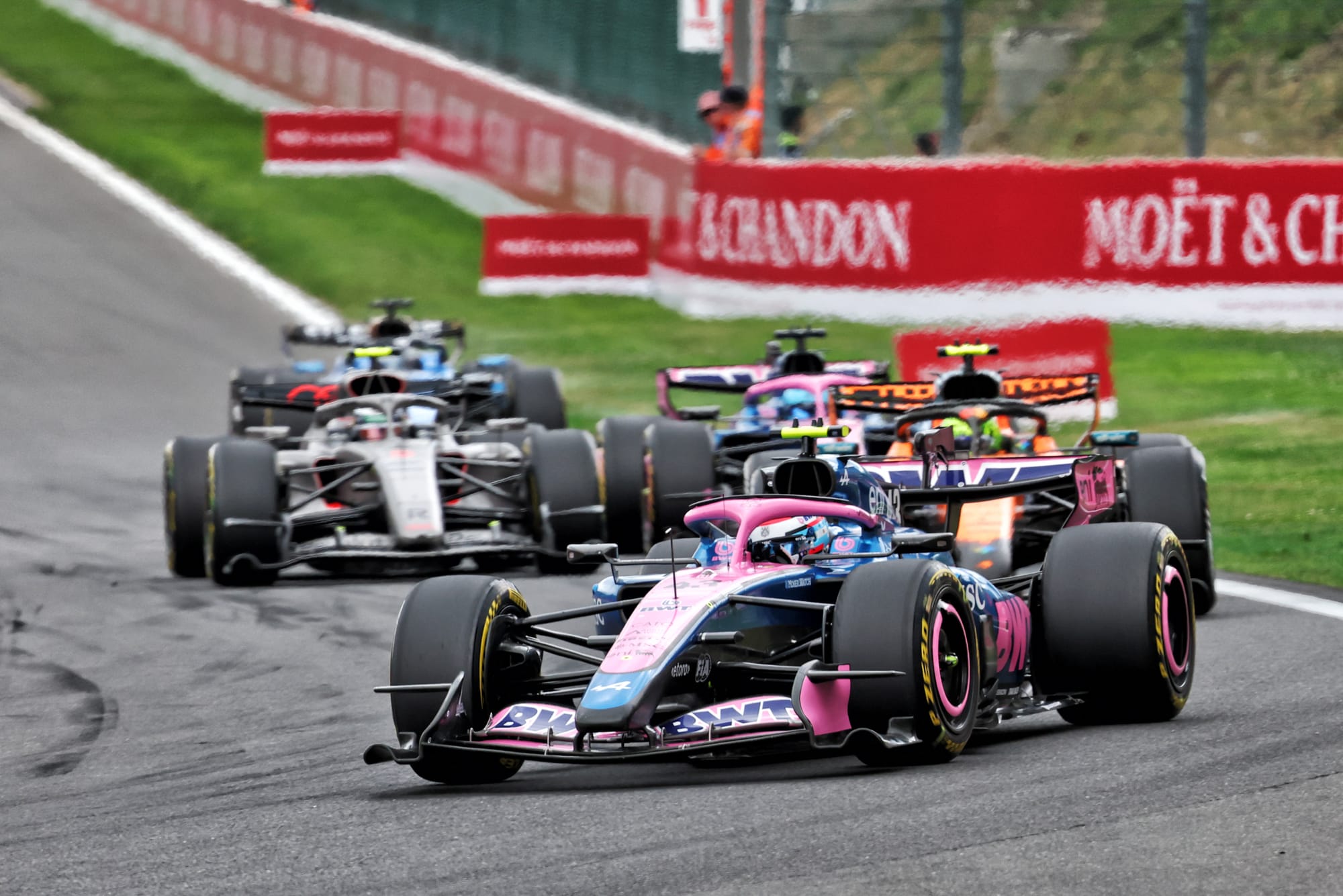
Was that an amazing pass into Eau Rouge/Radillion, or is it simply the algorithm deciding to save that energy so a driver can easily get the position back on the Kemmel Straight?
F1 risks robbing drivers of their star power, and knowing a popular switch to V8 engines isn't likely to happen until 2030 or even 2031 could leave everyone with four and a half more years of this.
Nobody wins if the drivers stay hostage for that length of time.
After all, the sporting regulations have long carried an important clause that has got rid of many driving assists in the past.
Article B1.8.1 of those regulations states: "The driver must drive the F1 car alone and unaided."
Considering that "forward-thinking" algorithms are deciding important results right now, it's hard to see how that regulation isn't being strained to its limit.
The drivers would love nothing more than actually being able to drive the F1 cars alone and unaided.
But right now, qualifying and races are being too heavily influenced by self-learning computers, not drivers.