Gary Anderson's take on F1 2026 engine loophole bombshell
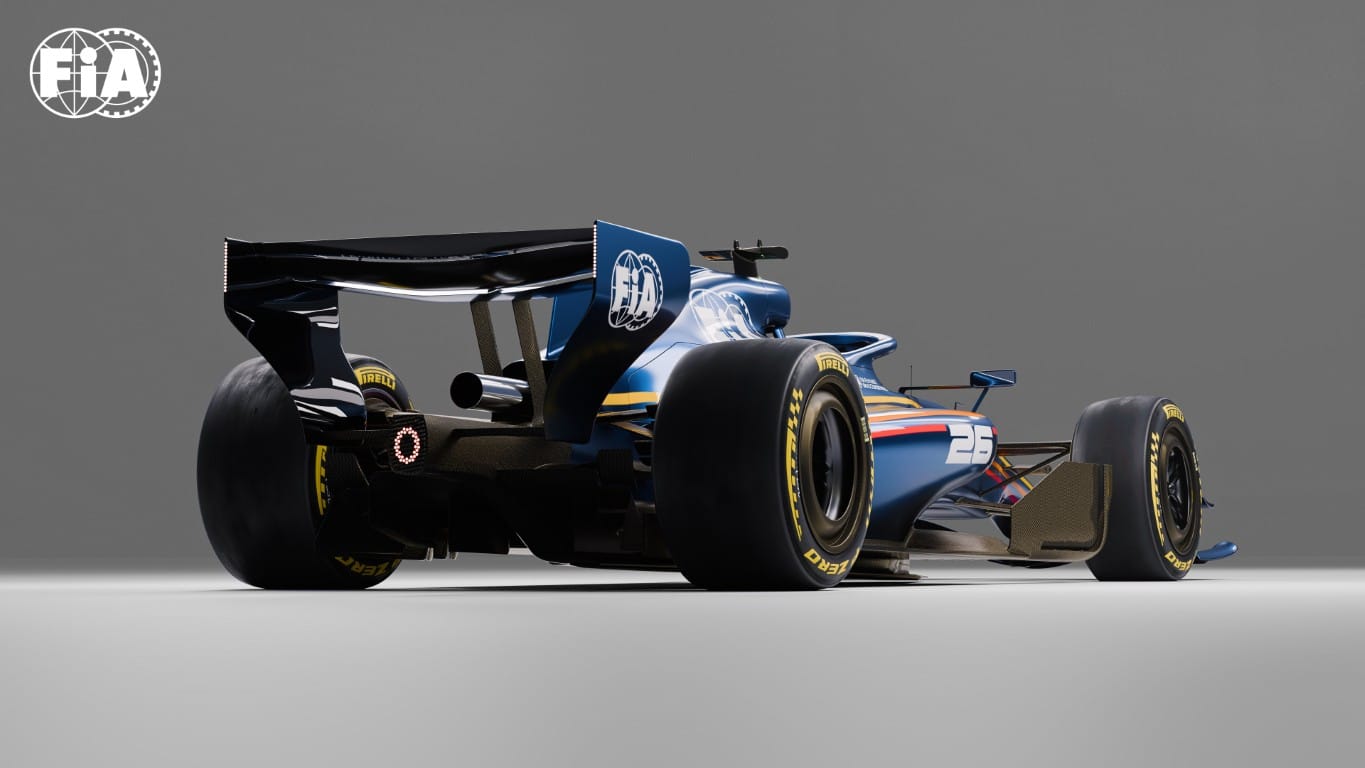
The more tightly any set of regulations is defined, the more it tempts people to search for solutions to gain an advantage - or, as those who don't come up with such ideas would call it, exploit "grey areas".
It's a bit like if you tell a kid not to do something - it's offering them an invitation to do something they would never otherwise have thought of.
This new controversy over Mercedes and Red Bull apparently having found a way to get around the reduced maximum compression ratio permitted in 2026 is yet another example of that.
The reduction of the compression ratio for the new power units from 18:1 in 2025 to 16:1 (expressed simply as 16.0 in the rulebook) should mean a performance loss from the V6 engine. But it might also just be in line with the so-called "advanced sustainable fuels", which might not burn as efficiently as the old fossil fuels - and therefore the compression ratio has been reduced to ensure one fuel manufacturer has less chance of getting too big a jump on the others.
Back in the 1990s, we had the more extreme "chemical fuels". The burn speed of these led to large-bore, short-stroke engines, which meant ever-higher revving and a huge power increase. All told, that could be worth in the region of 30-40bhp more compared to the baseline of a decent-quality pump fuel.
It also meant you couldn't breathe or see in the garage when the engines were running, so it was not all positive.
Fortunately for everyone’s lungs, those days have gone. Now, everything is much more controlled. Some would say F1 should be an open book, as long as you can drive through a control gate at the end of the pitlane you should be able to go for it. It's an appealing idea in principle, but in reality, if it was the case, F1 would disappear very quickly.
The regulations define the materials you can use for most of the internal PU components - pistons, conrods, crank, etc. - and even the size of any inserts in the cylinder heads. To overcome having roughly a 10% reduction in compression ratio will not be easy and using materials with higher thermal expansion will be difficult even if they were acceptable.
With a 1.6-litre V6 engine, it means each cylinder has a capacity of 266cc with an 18:1 compression ratio, as in 2025, that means 1/19 = 14cc. With the same V6 cylinder capacity going to a 16:1 compression ratio means that 1/17 = 16.6cc, so 2.6cc more volume left when the piston gets to top dead centre. With an 80mm piston diameter as stipulated in the regulations, 0.1mm of height expansion relative to volume = 0.5cc, so to overcome all of the loss you would need 0.5mm extra expansion over that 80mm diameter piston.
As for the compliance being regulated at ambient temperature, in reality that is the only way to do it. These engines are designed to produce their best performance at temperatures in the range of 120°C, so it's difficult to check compliance at that temperature. Most PU manufacturers won’t even allow the engines to be fired up until they are at about 80°C - and even overnight in parc ferme they have a constant heating system moving hot water through them.
This sort of thing is there for everyone to exploit as best they see fit. In my book, it’s not cheating. It's just pushing the limits to the maximum given the reality that all materials will behave in different ways according to the temperature.
But of course, if you have failed to spot that opportunity then, as is always the case in F1, it's time to cry wolf and try and get those who have to stop.