Formula E's latest milestone could take it into places F1 can't reach
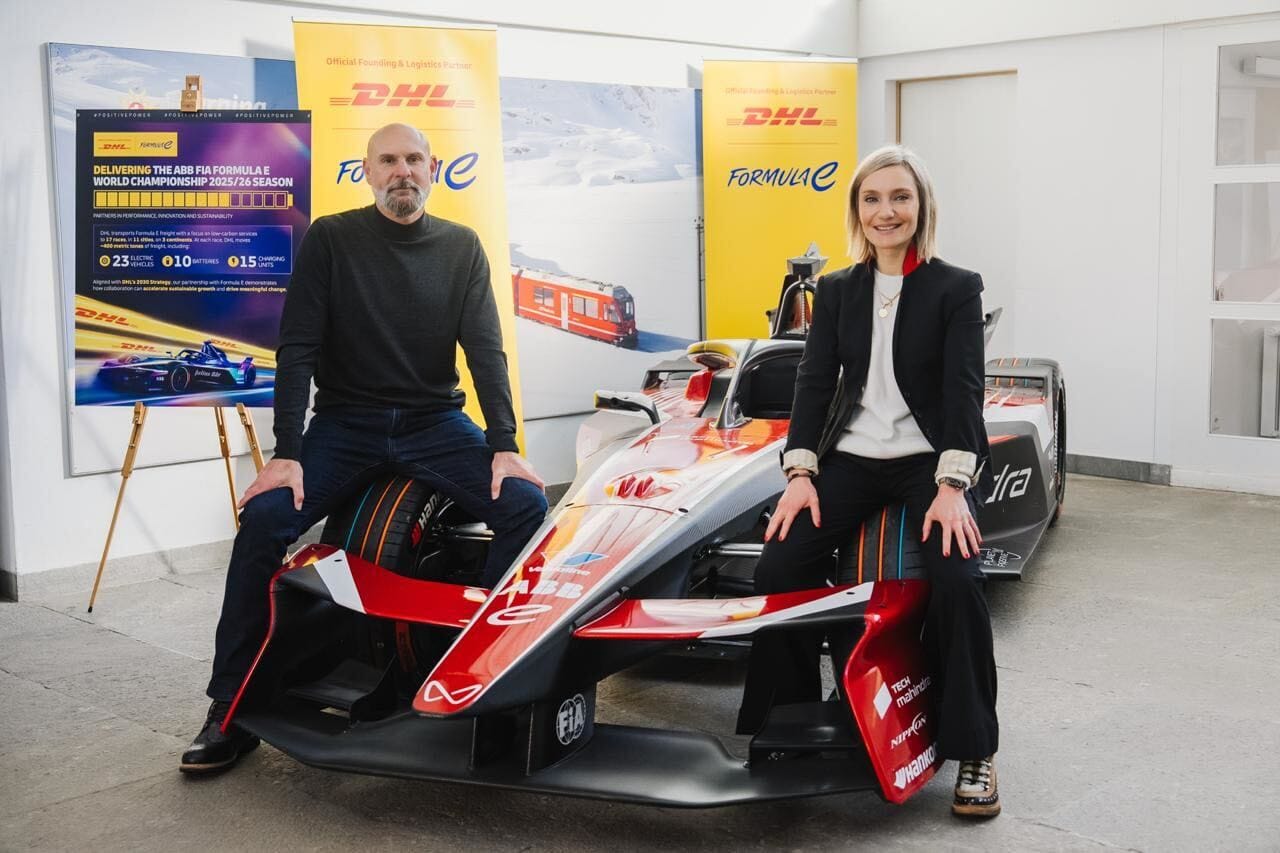
Formula E achieving the coveted B Corp status is the culmination of nearly two years of hard work by championship CEO Jeff Dodds and his sustainability team led by the astute Julia Pallé.
B Corp Certification is a rigorous accreditation awarded by B Lab – the non-profit organisation that verifies companies to meet the highest standards of verified social and environmental performance, accountability, and transparency. It’s the ultimate in Environmental, Social and Governance (ESG) measurement.
What precisely does this mean for Formula E? And indeed, what difference will the new status make to the growth of a series, now into its 12th season, and how will this impact on the participating manufacturers and teams?
First of all, let’s consider why Formula E has applied for B Corp status and what Dodds and his team hope to achieve from being able to acclaim this lofty standard.
As Formula E moves more ‘mainstream’ with its forthcoming Gen4 car, which will likely be obliged to race on more conventional racetracks, differentiation from other racing series takes on much more significance. Consider also that Formula 1 now has a powertrain with 50% electrification and with the ‘dirty’ half of the unit now running on sustainable fuel, and suddenly F1’s sustainability credentials become ever more credible.
No sport, let alone any form of motorsport, has previously been awarded B Corp status so this is a major coup for Formula E and as such, it moves the ESG bar significantly higher and puts clear daylight between Formula E and any other racing series. It’s a move that might also curry favour with broadcasters when Formula E Operations sells its media rights – at least in some markets anyway.
Additionally, Dodds has assuredly been exploring the potential commercial upside of being the first sporting series to be allowed to use the coveted B Corp logo.
Does the addition of B Corp status open a door to similarly aligned brands? Is there any evidence to suggest that B Corp brands have shied away from marketing their companies through motorsport because of a lack of ESG credentials?
The good news is that there are more than 10,300 B Corp certificated businesses spread over more than 100 countries and accounting for more than 160 industries. However, of these, I would consider no more than 10% - or just over 1000 companies - to be of a size large enough in terms of revenue to contemplate a worthwhile (seven figures) sponsorship.
That doesn’t seem on the face of it to be a particularly compelling commercial reason to want B Corp status. But don’t overlook the allure of association with a B Corp sporting series from industries/companies/brands that don’t have or would be unlikely to achieve high grade ESG approval.
For the participating teams and manufacturers, news of Formula E achieving B Corp status will undoubtedly be welcomed for some of the reasons outlined but also because it will assist with the marketing of electric cars and quell any boardroom noise around “well it can’t be as sustainable as golf” or similar.
The addition of the B Corp moniker builds the foundation for a strong argument that partnering with Formula E, or a participating Formula E team, is the most sustainable form of sport sponsorship.
Each Formula E team commercial lead and Dodds’ own commercial team will already be scouring a list of the largest B Corp companies and writing a strong sales pitch. I also know from my experience that certain industries will see this as a very positive move from Formula E and the new status inferred on the series will certainly help with commercial discussions without, of course, making any proposition a certainty.
It's important to state that it’s the series that has been awarded B Corp status and not the teams, but of course there is association. It will be interesting to see if the teams will be required to up their own ESG reporting (they are already at the highest – three star - stage of FIA sustainability accreditation) to ensure that the series meets its B Corp obligations. My sense is that they will.
With Formula 1’s unprecedented popularity and surprising acquiescence to sell a rights package to suit most budgets, Formula E has struggled to find brands that want to enter into sponsorship partnerships when those same dollars can buy an (albeit smaller) partnership in F1 with a substantially larger following. Perhaps, the arrival of B Corp status will help those beleaguered Formula E commercial hires to find their own range of corporate bodies that aspire to align with those organisations that are truly committed to ESG values and that actually walk the walk.
While the popular media would have you believe that sustainability is becoming less of a factor in corporate thinking and marketing, the facts are that increasing amounts of ESG-led legislation and anti-green-washing regulations are becoming law in the most developed markets, meaning that while sustainability might not be as en vogue as previous years, there is no boardroom that does not have ESG high on its agenda and therefore marketing teams ignore it at their peril.
Has Dodds found his game-changer? The jury is out. But it’s certainly a worthwhile addition to the squad and one that helps to differentiate Formula E from its competitors.