What's gone wrong in Williams' 'painful' 2026 start
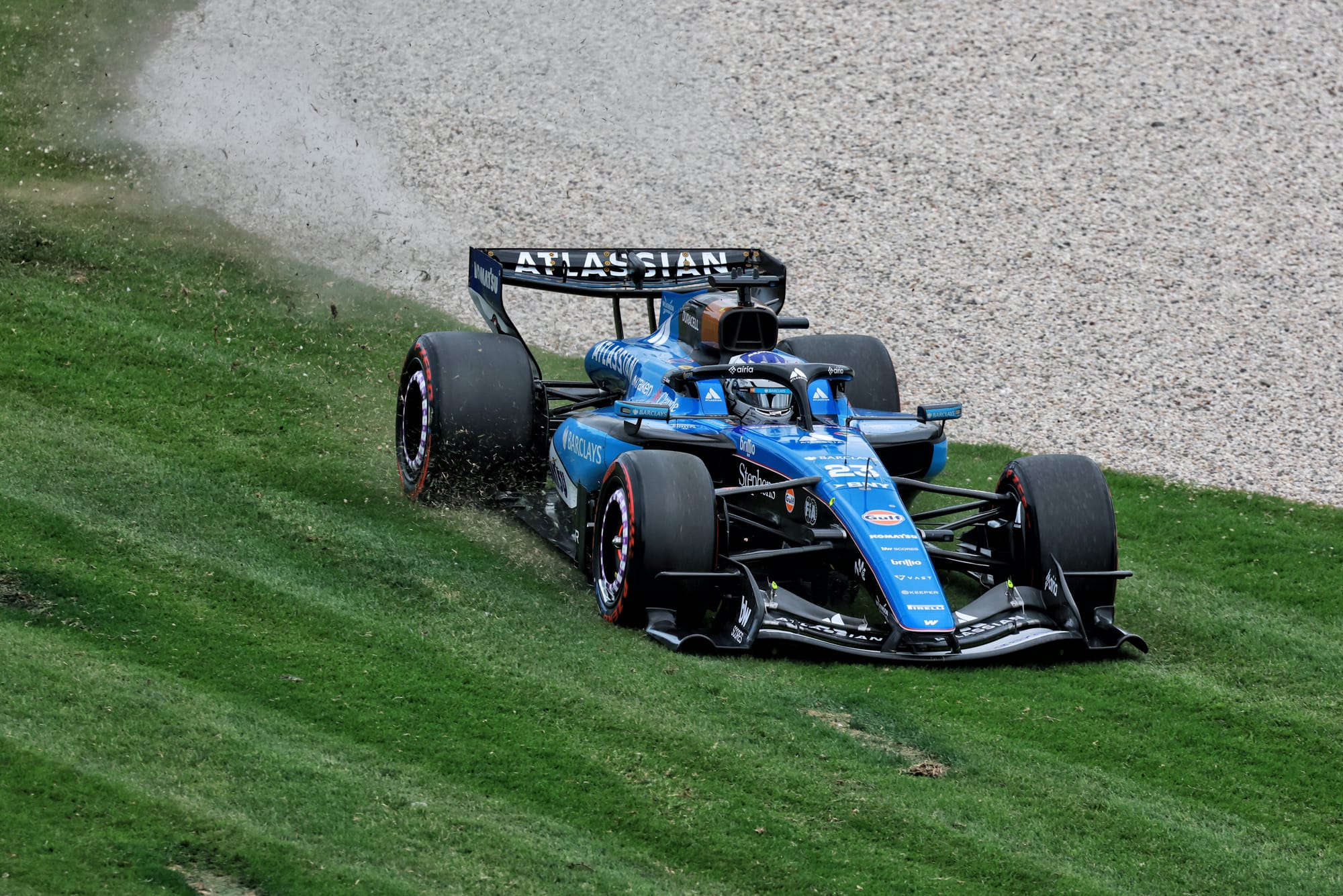
Painful. That was the succinct verdict from Alex Albon after Williams’ below-par performance in the Formula 1 season opener in Australia.
Considering the Grove-based squad was one of the first to commit all its resources to the 2026 rules in a bid to seize the opportunity offered by the all-new regulations, it has fallen well below expectations.
It has not only failed to tag itself on to the coat tails of the top four teams as it had perhaps hoped. Right now it is not even fighting in the pack behind them.
As Albon, who finished 12th and out of the points in Australia, said: “It’s different to 12 months ago that’s clear. Realistically we’re not really in the midfield fight.”
The lack of competitiveness is not just down to one factor. It is a combination of several areas where Williams needs to bring improvements.
Like fellow customer team McLaren, it feels it's not getting as much out of the Mercedes power unit as the works squad and part of that explanation comes from not having the necessary knowledge.
But at best that problem only accounts for around 0.3 tenths of what was a 2.4-seconds deficit in qualifying.
A major chunk of the missing time is its own doing.
Too heavy
The headline problem is weight. The challenges of producing a car for the all-new 2026 rules has exposed weaknesses in the Williams system, where compromises in getting parts manufactured in time has manifested itself in a car that is well over the minimum weight limit, which is 768kg.
Team boss James Vowles has called the weight factor a “significant enough issue” to have forced it to make changes to how the team works in a bid to make sure that there is no repeat in the future.
How much weight Williams is over has not been confirmed, but it is understood to be in the region of 20-25kg.
The impact on lap time is significant, especially in an era where the nature of energy harvesting and deployment means that the old estimate of 10kg being equivalent to 0.3 seconds per lap has gone. It is now worth more than that.
Asked by The Race if the car was 20kg overweight, would that still mean 0.6s, Vowles said: “So if it was 20 kilos, it's more than that.
“It isn't just the effect of mass. When people calculate that number, they don't take into account CofG (Centre of Gravity) height changes.
“They do not take into account the impact that you now have on harvesting, of which it's minimum apex speed, of which that's impacted by weight. So it's bigger.”
More than weight
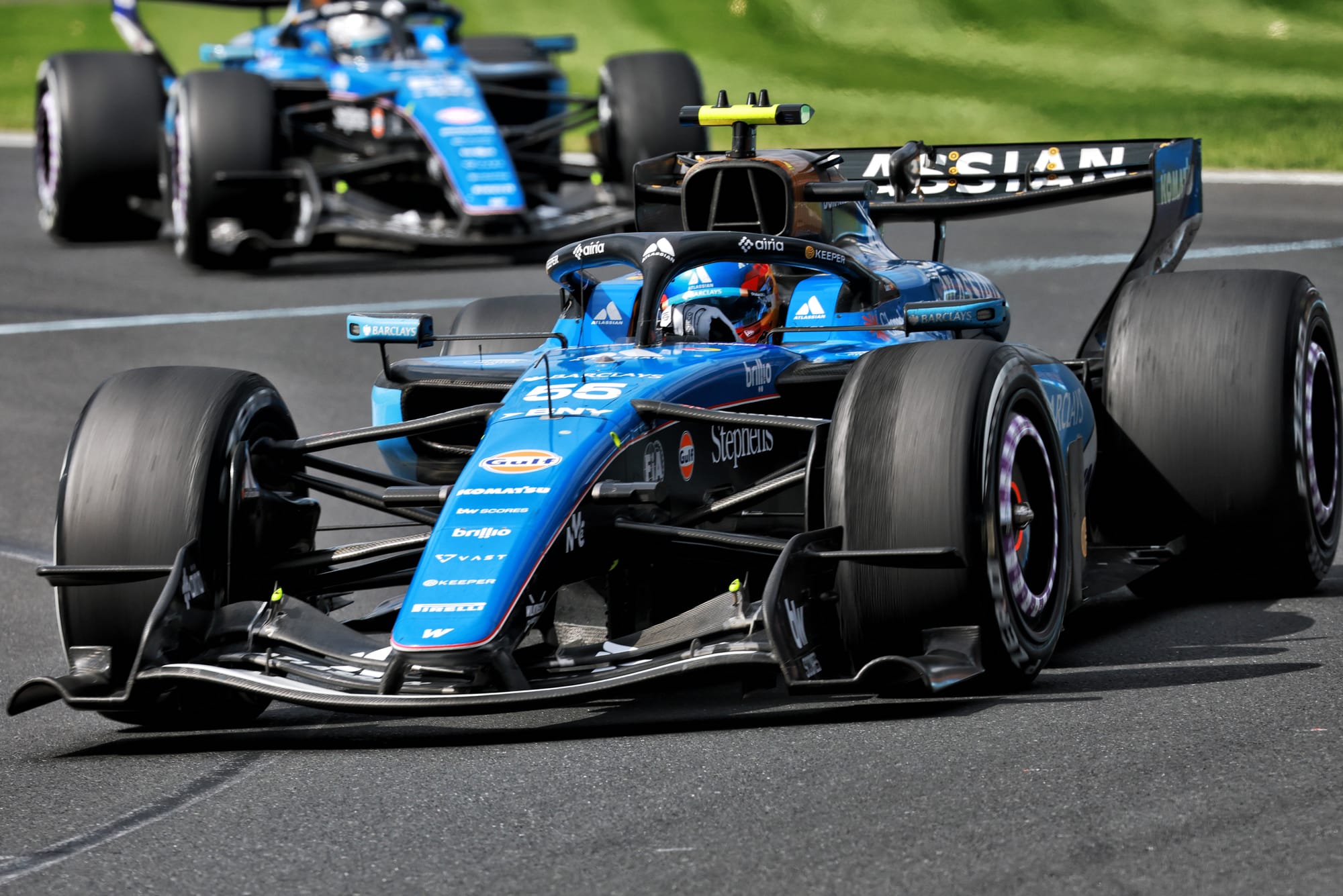
Williams’ problems are also not limited to car weight, as Carlos Sainz has suggested that it has a front wing problem as well.
Speaking after the Australian Grand Prix, he suggested that there could be an issue with the front wing flap altering over the course of the race amid the active aero fluctuations.
“It's an issue we've had since testing,” he said. “The front wing backs off when we use the SLM (straight line mode), and I lost a lot of aero balance.
“From lap 20 onwards it became more of a test session, to the point where around lap 50 I think I did a pit stop to change the front wing because it was not driveable anymore.”
The wing Sainz changed to did not suffer this back-off problem and could hint at a solution to its woes.
With problems exposed, what matters now is Williams putting in place an action plan to reduce it. There will be a focus on the front wing, but the main attack for now will be in getting weight off.
A question of timing
Vowles said that the team knows exactly what it needs to do, it is just a question of executing it within the constraints of the cost cap.
Spending limits mean that it makes no sense to replace fresh parts with lighter components – as that means rapidly burning through a development budget.
It is better to twin weight reduction efforts when new components come into play for a double whammy effect.
A likely gap in the calendar from the Japanese Grand Prix until Miami, with Bahrain and Saudi Arabia set to be cancelled, means that a lot of teams will now devote resources to upgrades for the season resumption. For Williams this would mean better and lighter parts.
“It's not complicated to bring it down,” said Vowles about the weight.
“Already what I have in my inbox today is all of the engineering steps to not just bring it down but actually be underweight by a good amount. That exists to us.
“If this was a cost-cap free world, I would execute it tomorrow. It would be done in a few weeks. But it's not.
"So you've got to time it with when those components effectively start to go out of life and when we will be doing upgrades later on in the season."
Vowles estimates that it will take around six races in total for Williams to be where it wants to be on weight.
Structural weakness
What is clear is that the overweight car is the end result of an organisation that still needs to be strengthened if it is to fight near the front – which is why structural change is needed at Grove beyond trimming mass off the car.
Vowles added: “It's fixable in the year. It's an output showing that we are not at a level required for such a large regulation change. It's not something that happened last year. The car last year was below the weight limit, about 5kg.
“Change everything and our ways of working are not sufficient to be able to deal with this amount of change. In a really weird way, I'm very happy.
“There is nothing I can't see in the company anymore that's hidden. It's all fixable. And actually we're not that far away from fixing it.
"But the output of it is an overweight car that we have to deal with at the start of season.”