Three solutions for a key Formula E Gen4 calendar issue
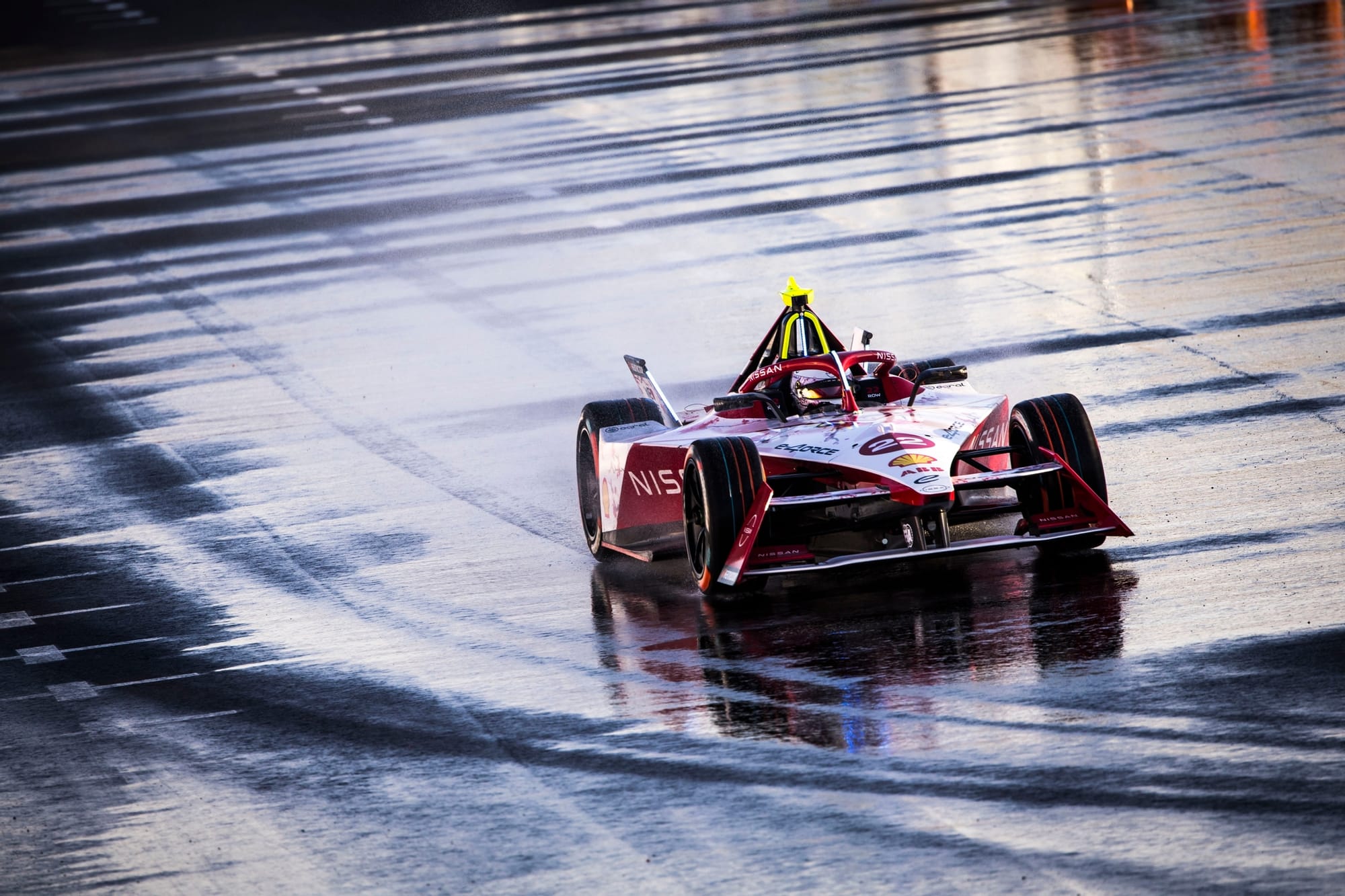
Formula E is facing one of the most challenging issues for its hotly debated first Gen4 calendar, involving a country seen as a 'must race' territory next year.
Japan has long been seen as a 'holy grail' nation for Formula E to be racing in and, after getting a foothold in 2024 with the first Tokyo E-Prix, its relevance to the all-electric world championship has escalated into near-protected status as far as the entrants and some commercial partners are concerned.
In addition to Nissan and Lola's technical partner Yamaha being two massive manufacturers involved in Formula E, multinational conglomerates with bases and heritage in Japan are awaiting news of whether they will get a home race as well.
Bridgestone, which will be the Gen4 tyre supplier and electronics company TDK, a significant partner to Porsche, will feature heavily in Gen4 as parts of the fundamental sporting, technical and commercial landscape. That means extra pressure on having a Japanese race is being applied.
Yet there are some doubts that one can continue, although at present everything is being done to try to make sure that Japan remains on the schedule for 2027, the first year of the Gen4 era.
Questions swirl around both the suitability of the present Big Sight track - around the convention centre of the same name, in the Ariake district of Tokyo - for the much quicker cars, and also the commercial makeup of the race, which is known to lose a sizeable chunk of money.
It will host its fourth and fifth Formula E races this July under the lights but if they aren't to be turned out completely for 2027, a new agreement is needed between Formula E and the Tokyo Metropolitan Government.
TMG does, of course, contribute to the cost of the race, but the majority of it sits with Formula E. Well-known Japanese sports marketing and entertainment company Dentsu heads up the advertising revenue generation.
Some close to the Japanese race suggest that it costs somewhere in the region of €20-22million, but that a small percentage of that is made back commercially. That means Formula E is taking a major hit on the race at present, which it is keen to reduce or have a partner to absorb the giant cost of.
The fact that a new deal with the TMG is needed for 2027 means there is a great deal of diplomacy and discussion ongoing at present, with the hope that the city street/exhibition centre perimeter road location will be kept on for Gen4.
The slight nervousness at present of whether Tokyo will be on the 2026-27 schedule is tangible among the paddock with Nissan team principal, Tommaso Volpe telling The Race last month: "Needless to say, it would be very bad [not to race in Japan] because we are the only Japanese car brand and I believe it would be not good for the championship in general.
"I don't think other brands are happy not to race in Japan, which is such an important market for motorsport and for the automakers, so I'm confident they are trying to find the solution, and I think for the championship it's important to have a race in Japan.
"We also know that Formula E is always a little bit complicated to find agreements, especially with city centre racing. Let's say we stay confident until the final calendar is confirmed."
So, what are Formula E's options to continue racing in Japan in the Gen4 era?
Option 1: Stay in Tokyo
Clearly, getting another deal at the Big Sight area of the world's largest city is the preferred and desired option. Now, in the third year of the race's existence, Formula E can ill-afford for the decade-long work of ensuring an event in the Japanese capital takes place to be wasted.
Formula E is also clearly delineating between Big Sight and the London ExCeL track when it comes to suitability for Gen4 racing. The tracks are of similar size and width, but ExCeL has tight first and third sectors. These are nigh on impossible to adequately redesign, while Big Sight has a bit more room for changes.
If Formula E does get a new deal in the Ariake district of Tokyo, the present 1.6-mile track may have to be amended in some areas, such is its sinuous nature. But Formula E chief operating officer Alberto Longo is not so sure it will have to be, saying: "This is what we're trying at the moment: to modify, to enlarge it a little bit, and to widen up certain areas.
"But even if not, the simulation is telling us that it is suitable, so even if we don't change it, we could be racing there.
"I have said multiple times that that particular venue in the ExCeL is not suitable for the Gen4 period.
"Tokyo, I'm not so convinced [that it will be unsuitable]. We're still working on it, and hopefully we will be there."
Formula E has been doing a lot right with the Tokyo authorities, including being affiliated with promoting Tokyo governor Yuriko Koike's goal of reducing emissions in the capital. The Zero Emission Tokyo Strategy has seen the government target net-zero carbon dioxide emissions by 2050.
Porsche's partner TDK is also actively involved in the 2026 races this July and recently became the title partner to the races, which will be held under lights over the evenings of July 25/26.
Option 2: Sugo
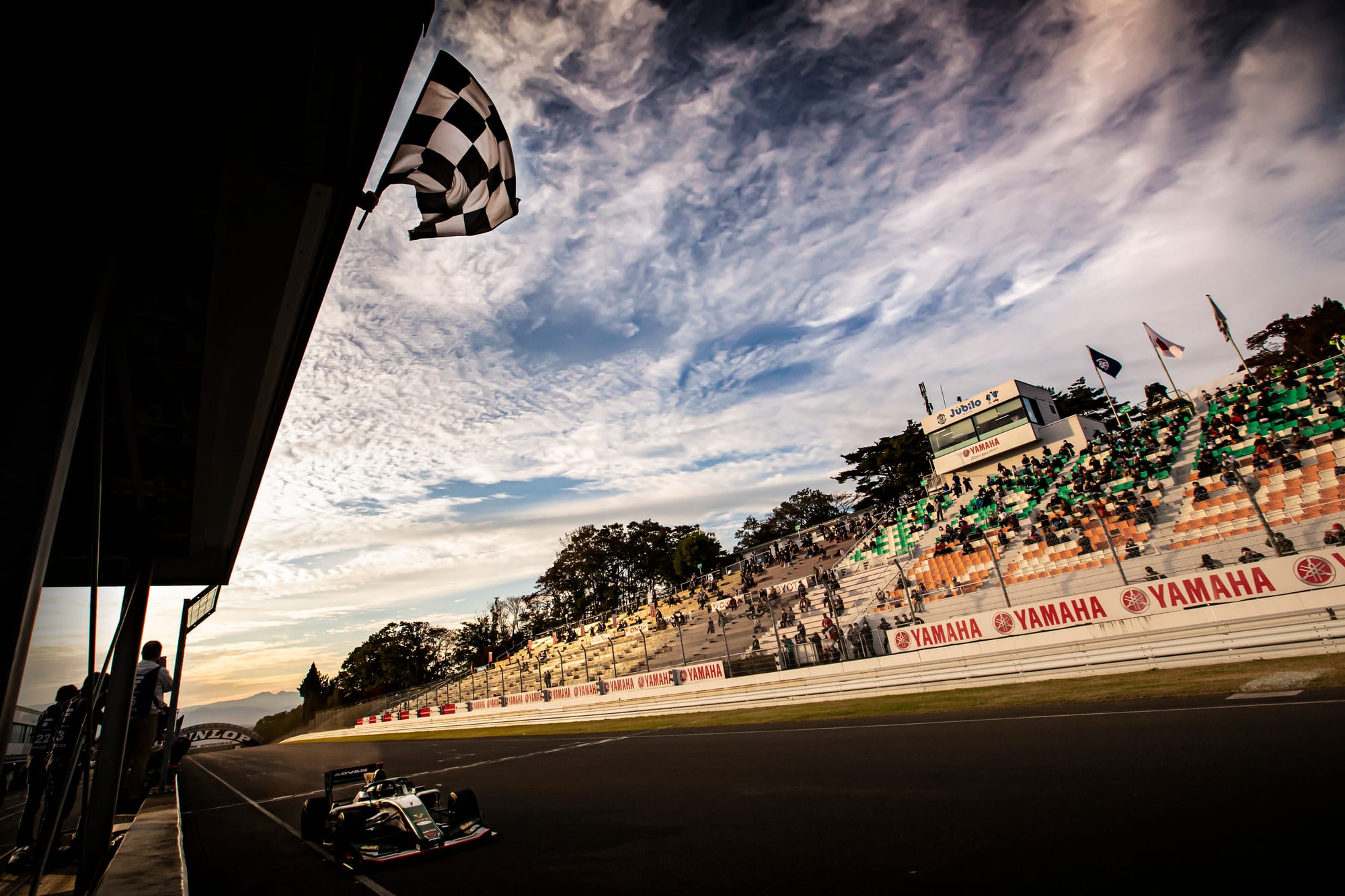
Sportsland Sugo, just north of Fukushima in the Miyagi Prefecture, might be a four-hour drive from Tokyo but it could potentially be an option for Formula E should a deal in the capital not be possible.
The circuit - owned by Yamaha - has been a domestic favourite, hosting Formula Nippon/Super Formula races since 1987, and is characterised by its white-knuckle corners and lack of relatively expansive modern-day run-off areas.
After the Jarama race last month, this would effectively be a Japanese equivalent, although its rural location would be most unlike anything Formula E has raced at before, even though it is just 30 minutes from downtown Sendai, Japan's 12th largest city in population.
The Race understands that Sugo has been in recent initial talks with Formula E, although these are at a relatively early and informal stage, with the facility very much a substitute option only should the Big Sight venue not get a new deal for Gen4.
Option 3: Fuji
Also said to have shown some interest in Formula E recently is the renowned Fuji Speedway circuit, one of Japan's most familiar racing locations that has hosted top domestic racing - Super Formula E and Super GT - for decades.
While Formula E is initially hard to imagine at the undulating 2.8-mile track in the Shizuoka Prefecture, the possibility of showcasing the Gen4 car's acceleration and top speeds in excess of 200mph along the almost mile-long main straight could be attractive for the all-electric world championship.
Should that happen, it would also likely entail a temporary chicane being constructed to break up the run to the first corner.
The Fuji Speedway is owned by Toyota, which is a stakeholder and technical partner with Formula E part-entrant Yamaha, which itself in addition to owning Sugo has test tracks close to Shizuoka known as the Fukuroi test track and the recently completed Kikugawa test facility.