Gary Anderson's verdict on F1's frustrating ground effect era
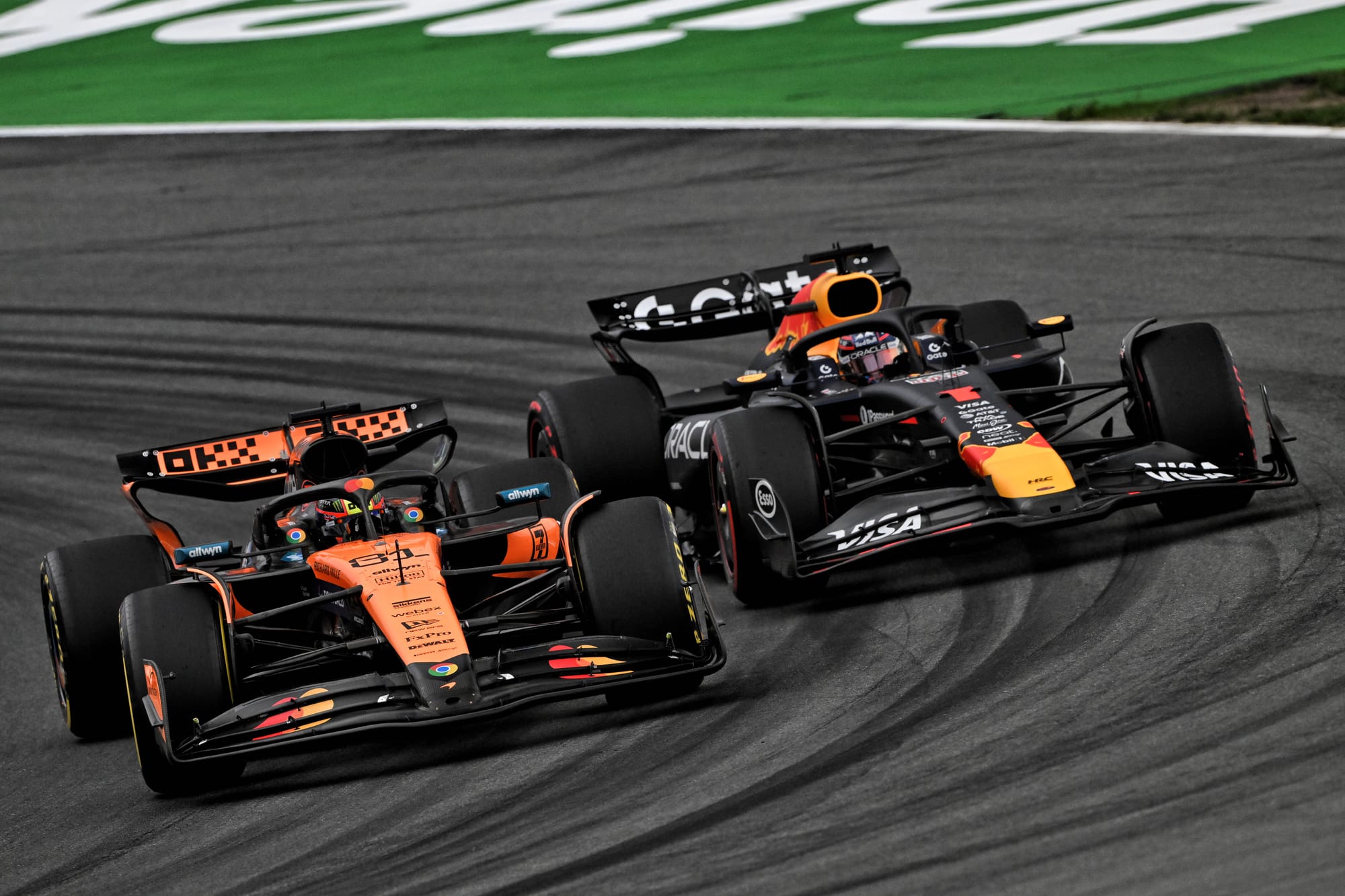
The 2022-25 ground effect regulations didn't do what they were expected to do. That's partly because the FIA did not, or was not able to, react quickly enough to fix what was wrong with the rules.
Making the cars better at following was a difficult target so, in reality, there were always going to be issues with the original rules. I understand that and there was great intention behind them. A lot of research was done by F1 and the FIA, with people like Pat Symonds and Ross Brawn involved, and what came from this was based on immense knowledge.
Introducing ground effect floors was a way to make the cars more aerodynamically robust and the restrictions on parts that would create outwash was a good direction. However, what wasn't foreseen was that the cars would run so low that the floor edges became very critical.
Initially, porpoising was a major concern, even leading drivers to worry about potential spinal damage. That never really went away, but it did get under control when the regulations for the floor edges were changed. This meant the cars still needed to run as low as possible, but instead of just simply running low they now started to generate vortices along the floor sides to help with the sealing process.
Inevitably, teams also found ways to reintroduce outwash. The FIA should have cracked down on designs like the floor side vortex generation and the slots in the front wing endplates, the complicated aero parts inside the wheels around the brake ducts, and all those elements that went against the intention of the rules.
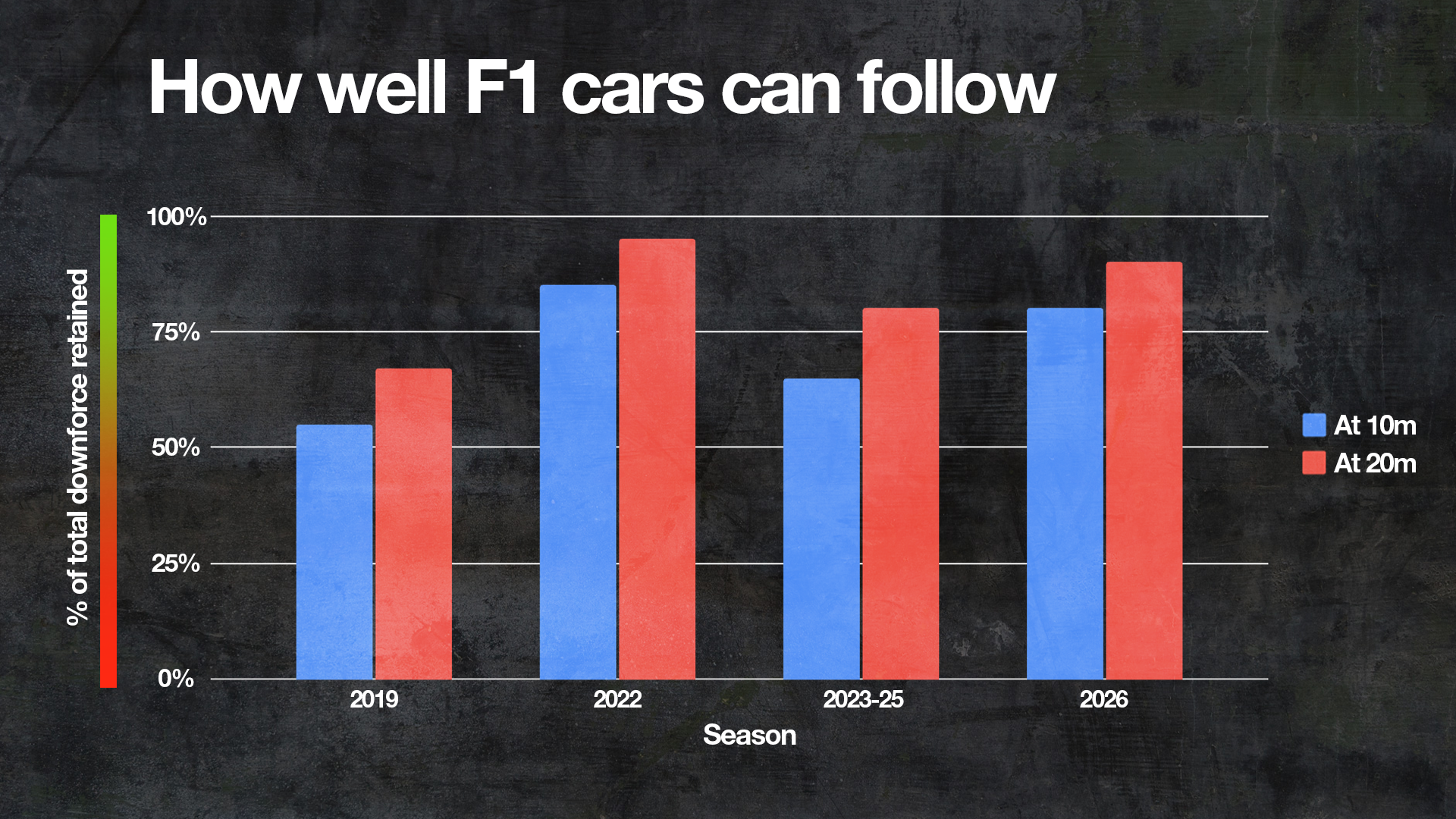
At the start of 2022, the cars could follow and race reasonably well. It was only as teams moved in this direction in pursuit of higher downforce levels that following got so much harder so that by the end of 2025 we had processional races that were usually all about the dreaded DRS train. Although there were changes to the endplate geometry for 2023, teams found another way to achieve the same effect but despite the FIA having clear ideas of how to tackle this, nothing changed.
The FIA says that F1's governance processes prevented this from happening, and that's true. But the point is, if F1 as a whole really wants this to work then that shouldn't be the case.
More on F1's outgoing rules
- Was F1's ground effect era a failure? Our verdict
- Ranking every team in the ground effect era from worst to best
- How teams broke the ground effect era
When it comes to performance, teams will always act in their own best interests and the rulemakers should be allowed to make the rules. If you don't allow that to happen then this is the end result.
There were changes that could have been made for 2024 or 2025 and the way F1 works made it impossible. There's always a battle involved between the regulator and the commercial side and, in reality, this situation reflects the fact that those controlling F1 are more focused on everything else other than the racing.
Following was easier at the end of 2025 than it was in 2021, the last year before the ground effect rule change, but it was still bad. So while it wasn't all for nothing, in reality, it was still not enough.
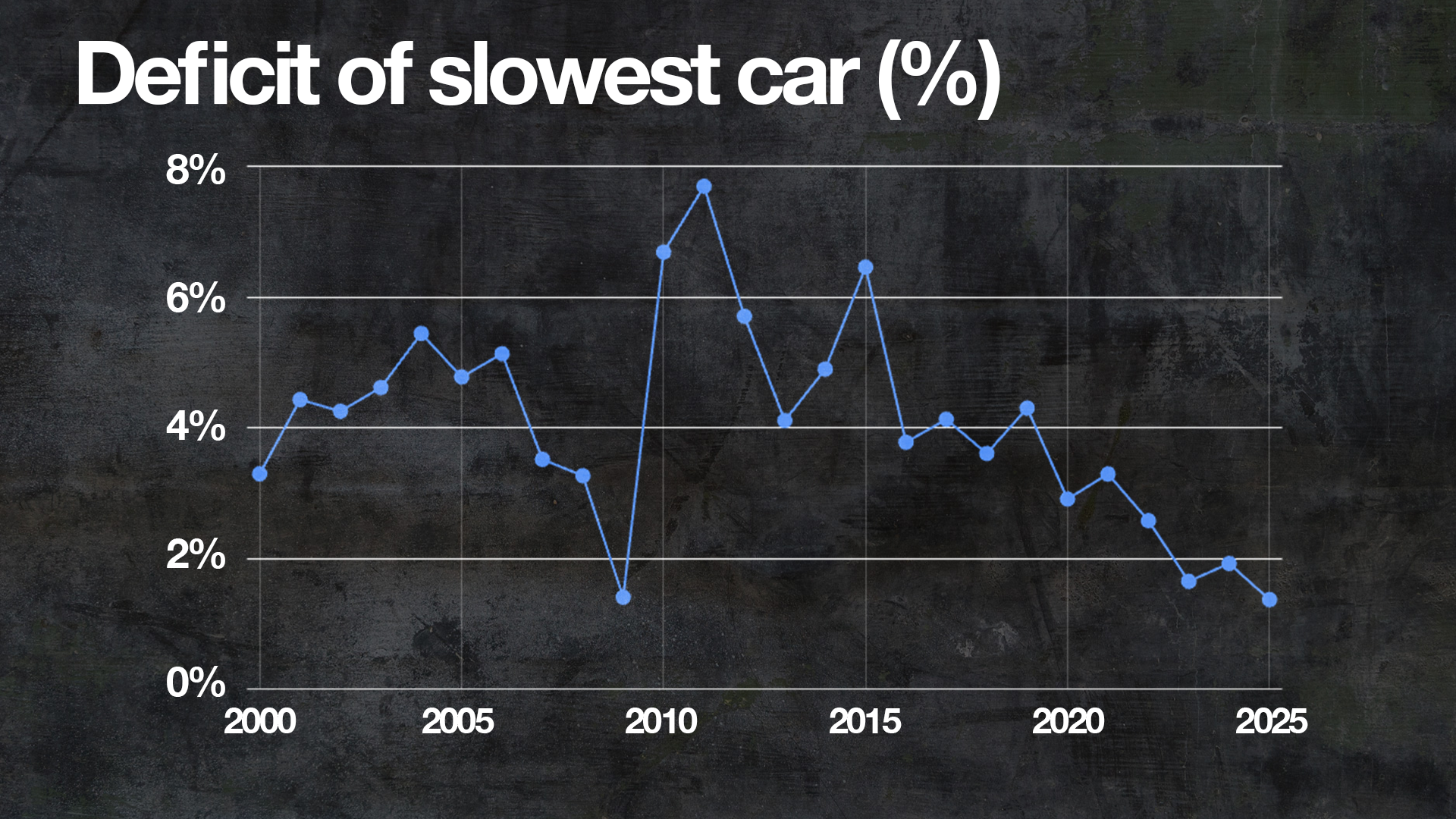
The grid did at least become close, which was another aim of the rules. But that's partly because the rules are so tight that it's now getting to be just a few steps away from a one-make formula.
As for the cost cap, it's difficult to fully understand because of how complicated it has become. You have to look at it as an accounting procedure that comes up with a final number of what you've spent, but how you get to that is another matter. It's being modified for next year, but I’d like to see a simpler cost cap that gives you a total amount to spend and doesn't exclude endless things. That's what creates the complexity.
With any regulations, new or old, the FIA needs the opportunity to recognise the potential problems over say the first third (race eight) of the season, instigating the required changes for the following year by mid-season (race 12), and the teams just need to get on with it.
A lot has been learned from the past four years, but my concern is that we'll see the same problems repeated with the 2026 regulations. If the teams don't stand back and let the FIA do its job, then it's always going to be impossible to stop teams developing cars in ways that make them faster, but make the racing worse.